Răspunsul bătrânului

Frate, să știi că omul nu cade pentru că este slab, ci pentru că uită să fie treaz, iar slăbiciunea nu e rușine, dar uitarea e rana prin care intră vrăjmașul. Când mintea se risipește în multe, inima se goleşte de Unul, și cel ce nu păzește Unul, ajunge robul tuturor. Nu te lupta cu gândurile ca și cum ar fi pietre, ci privește-le ca pe niște umbre cărora dacă nu le dai lumină, pier. Adu-ți aminte că nu cel ce vede multe minuni se mântuiește, ci cel ce păzește o singură clipă de smerenie.

 Apoftegmă

Un frate l-a întrebat pe bătrân: Părinte, cum să-mi curăț inima

Iar bătrânul i-a zis: Curăță-ți mai întâi privirea, și inima te va urma.

Fratele n-a înțeles și a zis în sine: Cum poate privirea să meargă înaintea inimii?

https://wolf.p2.blog/2026/06/05/raspunsul-batranului-3/

Răspunsul bătrânului 

Bătrânul a zis: Fiule, omul nu poate face nimic mai mare decât să‑și deschidă inima lui Hristos, căci nu prin ostenelile tale vine Viața, ci prin venirea Lui. Tu adu‑ți doar voia, chiar dacă e slabă; adu‑ți setea, chiar dacă e mică; adu‑ți golul, chiar dacă te rușinezi de el. Hristos nu cere de la om putere, ci adevăr și adevărul inimii este acesta, că fără El nu putem trăi. De aceea, fiule, nu întreba ce ai de făcut ca să ajungi la Hristos, ci ce ai de lăsat ca să‑L lași să intre.

Apoftegmă

Bătrânul a zis Hristos bate la ușa inimii, dar intră numai pe ușa pe care omul nu o mai poate închide.

Fratele, neînțelegând pe deplin, întreabă: Părinte, cum poate omul să nu mai poată închide o ușă pe care el însuși a închis‑o toată viața?

https://wolf.p2.blog/2026/06/04/raspunsul-batranului-2/

Elder’s Answer

The elder said: Son, what is unseen is not without work. The wind has no face, yet it lifts the seas; the soul has no shape, yet it keeps a man standing; love has no weight, yet it softens hearts of stone. So it is with the hidden spring, you do not see it, but if you draw near with thirst, you hear it, and if you drink, you live.

What is seen nourishes the body, but what is unseen nourishes the heart, for God does not reveal Himself to the eyes but to the heart, and yet He is the One who gives life to all. That is why, son, do not ask how something unseen can give life, but ask yourself how anything could live without what cannot be seen.”

Apophthegm

The elder said: He who seeks the hidden spring is not nourished by seeing it, but by its water.

The brother, not fully understanding, asks: If the water of the spring is for the one who seeks it, then why do so many pass by it and remain thirsty?

https://wolf.p2.blog/2026/06/03/the-elders-answer/

Răspunsul bătrânului

Bătrânul a zis: Fiule, ceea ce nu se vede nu este lipsit de lucrare. Vântul nu are chip, dar ridică mările; sufletul nu are formă, dar ține omul în picioare; dragostea nu are greutate, dar schimbă inimi împietrite, așa este și izvorul ascuns, nu-l vezi, dar dacă te apropii cu sete, îl auzi, iar dacă bei, trăiești.

Cele ce se văd hrănesc trupul, dar cele ce nu se văd hrănesc inima, fiindcă Dumnezeu nu se arată ochilor, ci inimii, și totuși El este Cel ce dă viață tuturor, tocmai de aceea, fiule, nu întreba cum poate ceva nevăzut să dea viață, ci întreabă-te cum ar putea trăi ceva fără ceea ce nu se vede.

Apoftegmă

Bătrânul a zis: Cel ce caută izvorul ascuns nu se hrănește cu vederea lui, ci cu apa lui.

Fratele, neînțelegând pe deplin, întreabă: Dacă apa izvorului e pentru cel ce o caută, atunci de ce mulți trec pe lângă el și rămân însetați?

https://wolf.p2.blog/2026/06/03/raspunsul-batranului/

The Elder’s Answer

The Elder said: “My son, not everything that gives light burns. Fire warms the body, but light without fire warms the heart. The sun burns, yet the moon does not burn and still keeps watch over those who walk through the night. So it is with grace, which does not consume but reveals.

When God illumines the soul, He does not kindle in it a fire that scorches, but a gentleness that drives away the darkness without noise. And the darkness does not flee because it is burned, but because it no longer finds a place to remain. Thus is friendship in Christ: it needs no strength to conquer, but purity, for pure light does not fight the darkness — it simply makes it unnecessary.”

Apophthegm

The Elder said: “Friendship in Christ is like a spring hidden in the rock — unseen, yet it nourishes the one who seeks it.”

The brother, not fully understanding, asked:
“How can something unseen give life to the one who seeks it?”

Răspunsul bătrânului

Bătrânul a zis: Fiule, nu tot ce luminează arde. Focul încălzește trupul, dar lumina fără foc încălzește inima, soarele arde, dar luna nu arde și totuși veghează peste cei ce merg prin noapte, așa este și harul, care nu mistuie, ci dezvăluie.

Când Dumnezeu luminează sufletul, nu aprinde în el un foc care să-l ardă, ci o blândețe care alungă întunericul fără zgomot, iar întunericul nu fuge pentru că este ars, ci pentru că nu mai are loc unde să stea, așa și prietenia în Hristos, nu are nevoie de putere ca să biruiască, ci de curăție, căci lumina curată nu luptă cu întunericul, ci doar îl face de prisos.

Apoftegmă

Bătrânul a zis: Prietenia în Hristos este ca izvorul ascuns în piatră ce nu se vede, dar hrănește pe cel ce o caută.”

Fratele, neînțelegând pe deplin, întreabă: „Cum poate ceva ce nu se vede să dea viață celui ce îl caută?”

Fear

What fears have you overcome and how?

Man does not conquer fears; he simply stops feeding them, for fear is like a chained dog — it barks loudly, but it only bites the one who approaches it with a troubled mind. I overcame the fear of people when I understood that no one can judge me more harshly than I judge myself. I overcame the fear of the future when I saw that tomorrow never comes all at once, but only in small pieces, just as much as the heart can carry. And I overcame the fear of myself when I stopped looking at myself in the mirror of my own thoughts and began to look at myself in the light of God.

Do not ask how to escape fear; ask whom you obey: fear or Truth, for fear does not leave when you defeat it, but when you no longer believe it.

The brother asked: “How can silence cry out to heaven?”

And the elder replied: “A man’s silence is not empty, but full of prayer. It has no voice of words, yet it has the voice of the heart. When a man is silent toward the world and speaks only with God, his silence becomes a cry louder than any word, for heaven is not moved by noise, but by a pure heart. So it is with friendship in Christ: it does not need to be shouted in the marketplace nor praised by people; it is silent, yet in its silence it prays and sacrifices, and thus its cry reaches the throne of God.”

Apophthegm

The elder said: “Friendship in Christ is like the light of the moon — it does not have the fire of the sun, yet it makes the night no longer dark.”

The brother, not fully understanding, asked: “How can light without fire drive away the darkness?”

https://wolf.p2.blog/2026/05/31/the-brother-asks-what-does-it-mean-that-friendship-burns-without-being-consumed/

Fratele întreabă: „Cum poate tăcerea să strige până la cer?”

Și bătrânul a răspuns: „Tăcerea omului nu este gol, ci plină de rugăciune ea nu are glas de cuvinte, dar are glas de inimă. Când omul tace pentru lume și vorbește numai cu Dumnezeu, tăcerea lui devine strigăt mai puternic decât orice cuvânt, căci cerul nu se mișcă de zgomot, ci de inimă curată. Așa și prietenia în Hristos: nu are nevoie să fie strigată în piață, nici să fie lăudată de oameni, ea tace, dar în tăcerea ei se roagă și se jertfește, și astfel strigătul ei ajunge până la tronul lui Dumnezeu.”

Apoftegmă

Bătrânul a zis: Prietenia în Hristos este ca lumina lunii, nu are focul soarelui, dar face noaptea să nu fie întuneric.

Fratele, neînțelegând pe deplin, întreabă: „Cum poate lumina fără foc să alunge întunericul?”

Pride

A brother asked an elder: “What is the beginning of man’s fall?”

The elder replied: “Pride is the first wound, for it does not come as a shout but as a whisper. It tells you that you are greater than the clay from which you were formed, and man, listening to it, rises up against his Creator.”

The Work of Pride

Pride makes a man forget his weakness and imagine himself strong. It separates him from his brother, for he no longer wants to be small but master. And it darkens his mind so that he no longer sees the gift of God, but only the vain glory of the world.

What Drives Him Toward Sin

The fear of being insignificant — man cannot bear to be small.
The thirst for glory — he seeks the eyes of men, not the face of God.
Self‑will — he wants to be the builder, yet remains clay.

Apophthegm

He who exalts himself falls lower than all, while he who humbles himself rises higher than thought can ascend.

Mândrie 

Un frate a întrebat pe un bătrân: „Care este începutul căderii omului?”

Bătrânul a răspuns: „Mândria este cea dintâi rană fiindcă a nu vine ca un strigăt, ci ca o șoaptă. Îți spune că ești mai mare decât lutul din care ai fost zidit și omul, ascultând, se ridică împotriva Ziditorului său.”

Lucrarea mândriei

Mândria îl face pe om să-și uite neputința și să-și închipuie putere și îl rupe de fratele său, căci nu mai vrea să fie mic, ci stăpân, dar îi întunecă și mintea, ca să nu mai vadă darul lui Dumnezeu, ci doar slava deșartă a lumii.

Ce îl împinge spre păcat

Frica de a fi neînsemnat – omul nu rabdă să fie mic. Setea de slavă – caută ochii oamenilor, nu fața lui Dumnezeu. Voia proprie – vrea să fie ziditor, dar rămâne lut.

Apoftegmă

Cel ce se înalță pe sine, cade mai jos decât toți, iar cel ce se smerește, se ridică mai sus decât poate gândul să urce.

The brother asks: “What does it mean that friendship burns without being consumed?”

And the elder replied: The fire of the world consumes whatever it touches: wood turns to ashes, iron melts, and man grows weak. But the fire of God does not consume, it enlightens. So it is with friendship in Christ: it burns, but does not consume; it warms without extinguishing, and it enlightens without leaving darkness.

Human friendship, if it is not supported by prayer, feeds on passion, on interest, on pleasure. And then, like a flame without fuel, it dies out. But friendship in Christ needs no other nourishment than Him, and because He is infinite, this friendship is not consumed, but remains alive. Therefore, brother, when you see that your love for your neighbor does not weaken but grows stronger even in hardship, know that it is not you who sustains it, but Christ who sustains it. And then your friendship is no longer yours, but His. And what belongs to Him is not consumed, but burns eternally.

Apophthegm — The elder said: Friendship in Christ is like the silence of the hermit; it makes no sound, yet it cries out to heaven.

The brother, not fully understanding, asks: “How can silence cry out to heaven?”

Fratele întreabă „Cum adică prietenia arde fără să se mistuie?

Și bătrânul a răspuns: Focul lumii mistuie ceea ce atinge, lemnul se face cenușă, fierul se topește, iar omul se slăbește, dar focul lui Dumnezeu nu mistuie, ci luminează. Așa este și prietenia în Hristos, ea arde, dar nu consumă, încălzește fără să stingă și luminează fără să lase întuneric.

Prietenia omenească, dacă nu se sprijină pe rugăciune, se hrănește din patimă, din interes, din plăcere și atunci, ca o flacără fără hrană, se stinge, dar prietenia în Hristos nu are nevoie de altă hrană decât de El, și pentru că El este nesfârșit, prietenia aceasta nu se mistuie, ci rămâne vie. De aceea, frate, când vezi că dragostea ta pentru aproapele nu slăbește, ci se întărește chiar și în necaz, să știi că nu tu o ții, ci Hristos o ține și atunci prietenia voastră nu mai este a voastră, ci a Lui, și ce este al Lui nu se mistuie, ci arde veșnic.

Apoftegmă – Bătrânul a zis: Prietenia în Hristos este ca tăcerea pustnicului, nu se aude, dar strigă până la cer.

Fratele, neînțelegând pe deplin, întreabă „Cum poate tăcerea să strige până la cer?”

https://wolf.p2.blog/2026/05/30/intrebarea-fratelui-ce-calitate-pretuiesti-cel-mai-mult-la-un-prieten/

The Brother’s Question: What quality do you value most in a friend?

The Elder’s Answer – My son, friendship without God is like a vessel without water, which breaks at the first wind and nourishes no one. The Fathers have said that a true friend is the one who leads you to Christ, not the one who leaves you to your passions. The greatest quality of a friend is faithfulness in God, to remain with you in prayer, to rebuke you when you stray, to lift you when you fall, and not to let you forget the Name of the Lord.

The true friend is not the one who gives you sweet words, but the one who reminds you that life is a gift and that the heart must be an altar. In the technologized world, where friendship is made and unmade with a click, the greatest gift remains the friend who calls you to prayer and to the stillness of the heart. This is living friendship and the bond that does not die, because it has Christ at its center.

Apophthegm – The Elder said: Harder than finding a friend is to remain a friend in God. Friendship without prayer dies out like fire without wood, but friendship in Christ burns without being consumed.

Întrebarea fratelui „Ce calitate prețuiești cel mai mult la un prieten?

Răspunsul părintelui – Fiule, prietenia fără Dumnezeu este ca un vas fără apă ce se sparge la primul vânt și nu hrănește pe nimeni. Părinții au spus că adevăratul prieten este cel ce te poartă către Hristos, nu cel ce te lasă în voia patimilor, iar cea mai mare calitate a prietenului este credincioșia în Dumnezeu, adică să rămână lângă tine în rugăciune, să te mustre când te abați, să te ridice când cazi, și să nu te lase să uiți Numele Domnului.

Prietenul adevărat nu este cel ce îți dă vorbe dulci, ci cel ce îți amintește că viața este dar și că inima trebuie să fie altar. În lumea tehnologizată, unde prietenia se face și se desface printr-un click, cel mai mare dar rămâne prietenul care te cheamă la rugăciune și la liniștirea inimii. Aceasta este prietenia vie și legătura care nu moare, pentru că are în centru pe Hristos.

Apoftegmă – Bătrânul a zis: Mai greu decât a găsi un prieten este a rămâne prieten în Dumnezeu. Prietenia fără rugăciune se stinge ca focul fără lemne, iar prietenia în Hristos arde fără să se mistuie.

Irony, Ego, and the Work of the Heart

In the depths of the heart one can see how every gesture of speech begins from an inner movement. Irony settles on the lips like a joke, but secretly it carries a wound; it appears when the soul seeks shelter for its fragility and finds a smile that does not warm but merely covers, and a person uses it like a thin garment—one that hides a need for protection.

Psychology says that irony is a defense mechanism. The Holy Fathers say it is a sign that the heart does not feel seen in truth. In both, the same light appears: a person seeks a safe place for what hurts, and when they cannot find it, they build a wall out of words that seem light but weigh heavily.

Egoism clings to this work like a shadow and strengthens the need to keep control, to appear strong, to let no one touch the sensitive place. In the desert of the heart, egoism appears as a tension that does not allow the soul to breathe, and when a person looks at themselves with sincerity, the tension loosens and a beginning of peace appears.

The elders used to say that the soul becomes clear when it stops defending itself. Psychology says that a person heals when they acknowledge their vulnerability, and in both lies the same mystery: truth brings rest.

Irony fades when a person allows themselves to be real, when they recognize their wounds as a call to light, when they place their fragility before God with simplicity; only then does the word become gentle, and this gentleness heals more than any sharp reply.

Desert Story

It is said that a young brother came to an elder and said: — Avva, people make fun of me and I answer with irony so I won’t seem weak.

The elder looked at him with a barely visible smile and said: — My son, when I was young, I too carried this iron in my heart and believed that if I answered with a quick word, no one would see how afraid I was. But one day, a child from the village said to me: “Avva, why do you speak as if you had a thorn in your tongue?” Then I understood that people feel when a word comes from a wound, and I began to look for the wound, not the word.

The brother fell silent, and the elder added: — When the heart heals, the tongue rests, and a person no longer needs to defend themselves.

Another Story

Another elder told that a brother made ironic jokes all the time.

The elder called him and said:— My son, you have a great gift.

The brother brightened:— Which one, avva?

The elder:— The gift of hiding what you feel, and if you use it well, you will become a saint; if you use it poorly, you will become tired.

The brother laughed, and the elder said: — See? You laughed sincerely. Remember this laughter, for it will take you further than irony.

Return to the Heart

When a person sees their wounds with gentleness, egoism melts, and when egoism melts, the word becomes simple. When the word becomes simple, irony has no place, and in its stead appears a warmth that asks for nothing and gives everything. There, in that quiet, a person feels they can look at another with kindness, and this kindness heals. Irony dissipates when the soul finds its place, and its place is in God.

Ironie, ego și lucrarea inimii

În adâncul inimii se vede cum fiecare gest al cuvântului pornește dintr‑o mișcare lăuntrică. Ironia se așază pe buze ca o glumă, dar în taină poartă o rană, ea apare când sufletul caută un adăpost pentru fragilitatea lui și găsește un zâmbet care nu încălzește, dar acoperă, iar omul o folosește ca pe o haină subțire, iar haina aceasta ascunde o nevoie de ocrotire.

Psihologia spune că ironia este un mecanism de protecție. Sfinții Părinți spun că este un semn că inima nu se simte văzută în adevăr. În amândouă se întâlnește aceeași lumină, omul caută un loc sigur pentru ceea ce îl doare și când nu îl găsește, își ridică un zid din cuvinte care par ușoare, dar apasă greu.

Egoismul se prinde de această lucrare ca o umbră și întărește nevoia de a păstra controlul, de a părea tare, de a nu lăsa pe nimeni să atingă locul sensibil. În pustia inimii, egoismul se vede ca o încordare care nu lasă sufletul să respire, iar când omul se privește cu sinceritate, încordarea se slăbește și apare un început de pace.

Bătrânii spuneau că sufletul se limpezește când încetează să se apere. Psihologia spune că omul se vindecă atunci când își recunoaște vulnerabilitatea și în amândouă se află aceeași taină, adevărul aduce odihnă.

Ironia se stinge când omul își îngăduie să fie adevărat, când își recunoaște rănile ca pe o chemare la lumină, când își așază fragilitatea în fața lui Dumnezeu cu simplitate, abia atunci cuvântul devine blând, iar blândețea aceasta vindecă mai mult decât orice replică ascuțită.

Povestioară de pustie

Se spune că un frate tânăr a venit la un bătrân și i‑a zis: — Avva, oamenii mă iau peste picior și eu răspund cu ironie, ca să nu par slab.

Bătrânul l‑a privit cu un zâmbet abia văzut și i‑a spus: — Fiule, când eram tânăr, și eu purtam fierul acesta în inimă și credeam că dacă răspund cu un cuvânt iute, nimeni nu va vedea cât sunt de fricos, dar într‑o zi, un copil din sat mi‑a zis «Avvo, de ce vorbești ca și cum ai avea un spin în limbă?» Atunci am înțeles că omul simte când cuvântul vine din rană și am început să caut rana, nu cuvântul.

Fratele a tăcut, iar bătrânul a adăugat: — Când inima se vindecă, limba se odihnește și omul nu mai are nevoie să se apere.

O altă întâmplare

Un alt bătrân povestea că un frate făcea glume ironice tot timpul.

Bătrânul l‑a chemat și i‑a spus: — Fiule, ai un dar mare.

Fratele s‑a luminat la față: — Care, avvo?

Bătrânul: — Darul de a ascunde ce simți, iar dacă îl folosești bine, vei ajunge sfânt și dacă îl folosești prost, vei ajunge obosit. Fratele a râs, iar bătrânul i‑a spus: — Vezi? Ai râs sincer, ține minte râsul acesta, căci el te va duce mai departe decât ironia.

Întoarcerea în inimă

Când omul își vede rănile cu blândețe, egoismul se topește și când egoismul se topește, cuvântul devine simplu. Când cuvântul devine simplu, ironia nu mai are loc și în locul ei apare o căldură care nu cere nimic și dă totul. Acolo, în liniștea aceea, omul simte că poate privi pe celălalt cu bunătate, iar bunătatea aceasta vindecă. Ironia se risipește când sufletul își găsește locul, iar locul lui este în Dumnezeu.

Egoism — the Hidden Illness of the Soul and the Modern Man’s Struggle with Himself

Son, listen with attentive mind, for what I tell you is not merely teaching, but a mirror for the soul. Egoism is not just one passion among others, but an illness of the heart, a wounding of the image of God in man. It does not always reveal itself through great gestures, but through small, barely perceptible movements: a thought of “I deserve this”, an irritation when you are not praised, an escape from responsibility, a closing in upon yourself.

How Egoism Is Born — the Hidden Root

Pride is the mother of egoism, the desire to be at the center of the world, and fear is its father, the fear that if you do not defend yourself, you will be hurt. Wounds of the soul are the soil in which it grows — rejection, lack of affection, distrust. Disordered self‑love is its food: man loves himself not as an icon of God, but as an idol. Psychology calls it a “defense mechanism.” Philosophy calls it “the illusion of the self.” The Church sees it as a blindness of the heart.

How Egoism Works Within the Soul

Egoism is cunning; it does not come as a tyrant but as a friend. It whispers: “You are right.” It tells you: “You deserve more.” It urges you: “Do not humble yourself, or you will be trampled.” It promises: “If you put yourself first, you will be happy.”
But in reality, it weakens relationships, darkens the mind, hardens the heart, and separates man from God.

In psychology, egoism appears as narcissism, hypersensitivity to criticism, the need for validation, difficulty with empathy. In philosophy, it is seen as a closing in on oneself, the loss of the ability to see reality beyond one’s own ego. In spiritual life, egoism is the death of love.

Why the Modern Man Suffers More from Egoism

Because he lives in a world that tells him: “Be the center of the universe,” “You are entitled to everything,” “Your happiness is more important than anything,” “Do not sacrifice yourself for anyone.” Modern man is taught to love himself, but not taught how, and so he ends up loving himself wrongly — possessively, anxiously, defensively — and thus egoism becomes the idol of our generation.

Renouncing Egoism — the Orthodox, Psychological, and Philosophical Path

Spiritual – Humility — not humiliation, but truth;
Prayer — opening the heart to someone other than oneself; Confession — bringing egoism into the light;
Obedience — breaking the tyranny of one’s own will.

Psychological – Becoming aware of defense mechanisms, accepting vulnerability, practicing empathy, correcting egocentric thoughts.

Philosophical – Understanding that the self is not the center of reality, accepting one’s limits, seeking meaning beyond oneself.

How Renunciation Feels in Daily Life

You no longer need to be right all the time.
You can say “forgive me” without feeling you lose something. You can rejoice in another’s good.
You can remain silent when the ego wants to shout.
And you can love without demanding anything in return. Only then does egoism begin to die, and in its place the true man is born.

Son, egoism is the most subtle form of blindness, for man does not see that he does not see. But when healing begins, light enters the heart like dawn in the desert. Do not fear the struggle with yourself, for you are not alone: God heals not only the soul, but also the mind, the body, and the psyche, and even relationships. Egoism is an illness, but humility is the medicine, and love is the complete healing.

Egoismul – boala tainică a sufletului și lupta omului modern cu sinele

Fiule, ascultă cu luare-aminte, căci ceea ce îți voi spune nu este doar învățătură, ci oglindă pentru suflet. Egoismul nu este doar o patimă între altele, ci o boală a inimii, o rănire a chipului lui Dumnezeu din om, el nu se arată întotdeauna prin gesturi mari, ci prin mișcări mici, abia simțite precum un gând de „mie mi se cuvine”, o supărare că nu ești lăudat, o fugă de responsabilitate, o închidere în sine.

Cum se naște egoismul – rădăcina ascunsă

Mândria este mama egoismului, dorința de a fi în centrul lumii, iar frica este tatăl lui, teama că, dacă nu te aperi singur, vei fi rănit. Rănile sufletești sunt pământul în care crește respingeri, lipsă de afecțiune, neîncredere. Iubirea de sine dezordonată este hrana lui, omul se iubește pe sine nu ca pe o icoană a lui Dumnezeu, ci ca pe un idol. Psihologia îi spune „mecanism de apărare”. Filosofia îl numește „iluzia eului”. Biserica îl vede ca pe o orbire a inimii.

Cum lucrează egoismul în suflet

Egoismul este viclean ce nu vine ca un tiran, ci ca un prieten și îți șoptește „Ai dreptate”, îți spune: „Tu meriți mai mult” și îți cere „Nu te smeri, că vei fi călcat în picioare”, îți promite „Dacă te pui pe tine primul, vei fi fericit”, dar în realitate slăbește relațiile, întunecă mintea, împietrește inima și rupe omul de Dumnezeu. În psihologie, egoismul se manifestă ca narcisism, hipersensibilitate la critică, nevoia de validare, dificultate în empatie. În filozofie, este văzut ca închidere în sine, pierderea capacității de a vedea realitatea dincolo de propriul eu. În duhovnicie, egoismul este moartea iubirii.

De ce omul modern suferă mai mult de egoism

Pentru că trăiește într-o lume care îi spune „Fii tu însuți centrul universului”, „Ai dreptul la tot”, „Fericirea ta e mai importantă decât orice”, „Nu te sacrifica pentru nimeni.” Omul modern este învățat să se iubească pe sine, dar nu i se spune cum și așa ajunge să se iubească greșit, posesiv, anxios, defensiv și astfel, egoismul devine idolul generației noastre.

Lepădarea egoismului – calea ortodoxă, psihologică și filozofică

Duhovnicească – Smerenia – nu umilire, ci adevăr, rugăciunea – deschide inima spre altcineva decât sinele, spovedania – scoate egoismul la lumină și ascultarea – rupe tirania propriului eu.

Psihologică – Conștientizarea mecanismelor de apărare, acceptarea vulnerabilității, exersarea empatiei și corectarea gândurilor egocentrice.

Filozofică – Înțelegerea faptului că eul nu este centrul realității, acceptarea limitelor proprii și căutarea sensului dincolo de sine.

Cum se simte lepădarea în viața de zi cu zi

Nu mai ai nevoie să ai dreptate mereu, poți să spui „iartă-mă” fără să simți că pierzi ceva, poți să te bucuri de binele altuia, poți să taci când ego-ul vrea să strige și poți să iubești fără să ceri ceva în schimb, abia atunci egoismul începe să moară, iar în locul lui se naște omul adevărat.

Fiule, egoismul este cea mai subtilă formă de orbire, pentru că omul nu vede că nu vede, dar când începe să se vindece, lumina intră în inimă ca zorii în pustie și nu te teme de lupta cu tine însuți fiindcă nu ești singur, Dumnezeu nu vindecă doar sufletul, ci și mintea, și trupul, și psihicul, și relațiile. Egoismul este o boală, dar smerenia este medicamentul iar iubirea este vindecarea deplină.

Education of the Modern Youth, the Beating of Yesterday, the Confusion of Today, and the Calling of the Adult to Be a Living Example

My son, hear a heavy word: in old times, parents struck the body, while today many strike the soul and the wound of the soul is deeper than the wound of the skin, for it is unseen, yet it works in secret throughout one’s whole life. Beating has never produced virtue, and freedom without roots never produces character, for between the two stands working love, which few still live.

The Adult Who Does Not Work on Himself the Root of Confusion

The parents of old struck because they knew no other language, while today’s parents no longer strike with the hand, but they strike with indifference, irony, comparisons, crooked expectations, and morality without life. Psychology says: “The unhealed adult repeats the wounds he received.” The Fathers say: “He who does not see himself cannot see the child.” The truth is the same; only the language differs.

Education Through Beating — Fear Does Not Give Birth to Humility

Beating did not make the child obedient, but fearful; it did not make the child humble, but ashamed; it did not make the child strong, but closed within himself. The beaten child learns three lies, that love hurts, that authority means fear, that vulnerability is danger and then he becomes the adult who does not know how to love without wounding.

The Modern Youth Is Not Rebellious, but Unheard

Many adults say, “Young people no longer listen,” but the truth is this: young people no longer accept hypocrisy. They do not ask for perfection, but for authenticity; not for moralizing, but for presence; not for sermons, but for living people. Psychologically, the young person needs validation, listening, healthy boundaries, real models. The spiritual father says: “You cannot ask the young person to live what you yourself do not live.”

The Adult Icon or Obstacle

A child does not learn from what you say, but from what you are; not from commands, but from example; not from moralizing, but from life. A spiritual father would say: “My son, do not try to educate the young in what you yourself are not. Work on yourself first, and then your word will have power.” Psychology confirms that modeling is the strongest form of education, for the child copies emotions, reactions, tone, the way of loving or the way of hurting.

True Education Is Listening, Not Training

My son, listen: you cannot shape a soul you do not listen to. The young person is not your clay, not your project, not your unfulfilled dream, not your copy, but the image of God, with his own path and his own calling. The spiritual father says: “Do not force him to be what he is not, but help him become what God has placed within him.”

My Son, If You Want to Educate — Begin With Yourself

Heal your wounds, cleanse your anger, cut your pride, soften your heart, learn to listen, do not ask the child for peace if you are a storm, do not ask the child for patience if you are a spark, do not ask the child for faith if you live in indifference, do not ask the child for sincerity if you live behind a mask. Education begins with the transformation of the adult.

For the Modern Young Person

My son, if the adults did not understand you, know this you are not the one who is wrong, they are unhealed, but do not rebel; seek the truth, do not close yourself; seek living people, do not flee from discipline; flee from abuse, do not reject authority; seek humble authority.

For the Modern Person

Man, stop saying: “This is how I was raised, so this is how I will raise my children.” Say instead: “Lord, heal what I received wrongly, so that I may not pass the evil forward.” Education is not beating, nor permissiveness, but work of the heart, listening, presence, living example, and when the adult is healed, the young person blossoms, and when the young person blossoms, the world becomes brighter.

Educația tânărului modern, bătaia de ieri, rătăcirea de azi și chemarea adultului de a fi exemplu viu

Fiule, ascultă cuvânt greu, în vechime, părinții loveau trupul, iar azi mulți lovesc sufletul și rana sufletului este mai adâncă decât rana pielii, căci nu se vede, dar lucrează în taină toată viața. Bătaia nu a născut niciodată virtute, iar libertatea fără rădăcină nu naște niciodată caracter fiindcă între ele două stă iubirea lucrătoare, pe care puțini o mai trăiesc.

Adultul care nu se lucrează pe sine, rădăcina rătăcirii 

Părinții de demult loveau pentru că nu știau alt limbaj, pe când părinții de azi nu mai lovesc cu palma, dar lovesc cu indiferență, ironie, comparații, așteptări strâmbe, morală fără viață. Psihologia spune că „Adultul nevindecat repetă rănile primite.” Părinții spun că „Cel ce nu se vede pe sine, nu poate vedea pe copil.” Adevărul este același, doar limbajul diferă.

Educația cu bătaia, frica nu naște smerenie

Bătaia nu făcea copilul ascultător, ci temător, nu făcea copilul smerit, ci rușinat și nu făcea copilul puternic, ci închis. Copilul lovit învață trei minciuni, că iubirea doare, că autoritatea înseamnă frică și că vulnerabilitatea este pericol și apoi devine adultul care nu știe să iubească fără să rănească.

Tânărul modern nu e rebel, ci neauzit

Mulți adulți spun că „Tinerii nu mai ascultă,” dar adevărul este altul, și anume că tinerii nu mai acceptă ipocrizia. Ei nu cer perfecțiune, ci autenticitate, nu cer morală, ci prezență și nu cer predici, ci oameni vii. Psihologic, tânărul are nevoie de validare, ascultare, limite sănătoase, modele reale. Duhovnicul spune că „Nu poți cere tânărului ceea ce tu nu trăiești.”

Adultul – icoană sau piedică

Copilul nu învață din ce spui, ci din ce ești, nu din porunci, ci din exemplu, nu din morală, ci din viață. Un părinte duhovnicesc ar spune: „Fiule, nu încerca să-l educi pe tânăr în ceea ce tu nu ești, mai întâi lucrează-te pe tine, apoi cuvântul tău va avea putere.” Psihologia confirmă că modelarea este cea mai puternică formă de educație fiindcă copilul copiază emoțiile, reacțiile, tonul, felul de a iubi sau de a răni.

Educația adevărată ascultare, nu dresaj

Fiule, ascultă, nu poți forma un suflet pe care nu-l asculți. Tânărul nu este lutul tău, u este proiectul tău, nu este visul tău neîmplinit, nu este copia ta, ci este chip al lui Dumnezeu, cu drum propriu, cu chemare proprie. Duhovnicul spune: „Nu-l forța să fie ceea ce nu este, ci ajută-l să devină ceea ce Dumnezeu a pus în el.”

Fiule, dacă vrei să educi, începe cu tine și vindecă-ți rănile, curăță-ți mânia, taie-ți mândria, înmoaie-ți inima, învață să asculți și nu cere copilului liniște dacă tu ești furtună, nu cere copilului răbdare dacă tu ești aprindere, nu cere copilului credință dacă tu trăiești în nepăsare și nu cere copilului sinceritate dacă tu trăiești în mască fiindcă educația începe cu schimbarea adultului.

Pentru tânărul modern

Fiule, dacă adulții nu te-au înțeles, să știi că nu tu ești greșit, ci ei sunt nevindecați, dar nu te răzvrăti, ci caută adevărul, nu te închide, ci caută oameni vii, nu fugi de disciplină, ci fugi de abuz și nu respinge autoritatea, ci caută autoritatea smerită.

Pentru omul modern

Omule, nu mai spune: „Așa am fost crescut, deci așa cresc și eu.” Spune: „Doamne, vindecă ce am primit greșit, ca să nu dau mai departe răul.” Educația nu este bătaie, nici permisivitate, ci lucrare a inimii, ascultare, prezență, exemplu viu și când adultul se vindecă, tânărul înflorește și când tânărul înflorește, lumea se luminează.

Domestic Aggression

My son, the wound of the body can be seen, but the wound of the soul cries in secret, and many bleeding souls come to us, and their blood is not seen with the eyes, but with the heart.

The root of aggressiveness — the sin that becomes master

Domestic aggression does not begin with the slap, but with an inclination of the heart, and before any blow there is a thought, a passion, a weakness left unconfessed and unhealed.
Pride — the root of all falls, for the proud man cannot bear to be contradicted, cannot bear weakness, cannot bear the truth.
Vainglory — the desire to dominate, to be “somebody,” even in one’s own home.
Self‑love — the one who loves only himself cannot love anyone.
Anger — not an outburst, but a poison accumulated over time.
The passion of control — the desire to shape the other according to one’s own will.
Fear — the weak man strikes so that he himself will not be struck in his own weaknesses.
The Fathers say: “No one strikes another until he himself has been struck by passions.”

The psychological perspective — the wounded man who wounds

Modern psychology observes what the Fathers have said for centuries: the aggressor is a man with a fragile ego, unresolved trauma, and primitive defense mechanisms.
Projection — he pours his own weaknesses onto the one closest to him.
Dissociation — he disconnects from reality and no longer feels empathy.
Coercive control — he does not seek love, but submission.
The cycle of abuse — tension → aggression → “honeymoon” → repetition.
Psychology says: “The aggressor does not control his impulses.”
The Father says: “The aggressor does not control his passions.”
The truth is the same; only the language differs.

The victim of aggression — the wound that cries for healing

The Saints never justified violence. St. John Chrysostom says clearly: “The man who strikes his wife renounces Christ.”
Psychologically, the victim lives shame, false guilt, emotional dependence, fear of change, erosion of identity.
The spiritual father sees in her a crushed soul, the image of God mocked, a need for protection, not moralizing.

A father would say: “Daughter, you are not guilty of another’s sin, but you are obliged to guard your life, for God gave it to you for salvation, not for destruction.”

What happens in the soul of the aggressor — the dark mirror

The aggressor is not strong; he is weak, unhealed, unworked, unmet with himself.
He has fear of abandonment → becomes controlling.
He has inner shame → becomes violent.
He has old traumas → becomes impulsive.
He has pride → does not ask for help.
He has spiritual weakness → does not repent.
The Fathers say: “He who does not see himself strikes his neighbor.”

Awakening for the aggressor

My son, you are not a master but a slave — a slave of anger, a slave of pride, a slave of the demon who whispers that you are strong.
Strong is the one who conquers himself, not the one who strikes the weak.

Psychologically, the aggressor needs therapy, acknowledgment of responsibility, unlearning learned behaviors, impulse management, reconstruction of empathy.

The spiritual father adds sincere confession, fasting, prayer for a broken heart, obedience, cutting off one’s own will.

Healing for the victim

Daughter, God does not want you in chains; the cross is not beating, but patience in truth and fleeing from evil.
Psychologically, the victim must be removed from danger, supported, validated, helped to rebuild her identity.

The spiritual father says: do not remain where your soul is crushed, but seek help and do not be ashamed to speak the truth.
God does not bless suffering that destroys.

For the modern person

Man, stop hiding behind excuses. Stop saying: “This is how I am,” “This is how I was raised,” “She deserved it,” and say instead: “Lord, I am sick. Heal me,” for the wound you inflict on another is the wound of your own soul.
Domestic aggression is sin, illness, trauma, a chain that must be broken — and it is broken through awareness, repentance, therapy, humility, tears, forgiveness (not in the sense of returning to danger, but of freeing the soul).
When a man weeps for the evil he has done, God begins to heal him; when a man changes, his home becomes a church; and when a man loves, the hell within him is extinguished.

Agresiunea domestică

Fiule, rana trupului se vede, dar rana sufletului strigă în taină și multe suflete sângerânde vin la noi, iar sângele lor nu se vede cu ochii, ci cu inima.

Rădăcina agresivității, păcatul care se face stăpân

Agresivitatea domestică nu începe cu palma, ci cu o înclinare a inimii, iar înainte de orice lovitură, există un gând, o patimă, o neputință lăsată nespovedită și netămăduită. Mândria — rădăcina tuturor căderilor fiindcă omul mândru nu suportă să fie contrazis, nu suportă slăbiciunea, nu suportă adevărul. Slava deșartă — dorința de a domina, de a fi „cineva”, chiar și în propria casă. Iubirea de sine — omul care se iubește doar pe sine nu poate iubi pe nimeni. Mânia — nu este izbucnire, ci o otravă acumulată în timp. Patima controlului — dorința de a modela pe celălalt după chipul propriei voințe. Frica — omul slab lovește ca să nu fie el lovit în propriile neputințe. Părinții spun „Nimeni nu lovește pe altul până nu a fost el însuși lovit de patimi.”

Perspectiva psihologică, omul rănit care rănește

Psihologia modernă observă ceea ce Părinții au spus de veacuri, și anume că agresorul este un om cu un eu fragil, cu traume nerezolvate, cu mecanisme de apărare primitive. Proiecția — își varsă propriile neputințe asupra celui mai apropiat. Disocierea — se rupe de realitate și nu mai simte empatie. Controlul coercitiv — nu caută iubire, ci supunere. Ciclul abuzului — tensiune → agresiune → „luna de miere” → repetare. Psihologia spune „Agresorul nu își controlează impulsurile.” Părintele spune „Agresorul nu își controlează patimile.” adevărul este același, doar limbajul diferă.

Victima agresiunii, rana care cere vindecare

Sfinții nu au justificat niciodată violența, Sf. Ioan Gură de Aur spune limpede „Bărbatul care lovește pe femeia sa se leapădă de Hristos.” Psihologic, victima trăiește rușine, vinovăție falsă, dependență emoțională,frica de schimbare, eroziunea identității Duhovnicul vede în ea suflet zdrobit, chip al lui Dumnezeu batjocorit, nevoie de protecție, nu de moralizare.

Un părinte ar spune: „Fiică, nu ești vinovată pentru păcatul altuia, dar ești datoare să-ți păzești viața, căci Dumnezeu ți-a dat-o spre mântuire, nu spre zdrobire.”

Ce se întâmplă în sufletul agresorului, oglinda întunecată

Agresorul nu este puternic, ci este slab, nevindecat, nelucrat, neîntâlnit cu sine. Are frica de abandon → devine controlant; are rușine interioară → devine violent; are traume vechi → devine impulsiv; are orgoliu → nu cere ajutor; are neputință spirituală → nu se pocăiește. Părinții spun: „Cel ce nu se vede pe sine, lovește pe aproapele.”

Conștientizare pentru agresor

Fiule, nu ești stăpân, ci rob, rob al mâniei, rob al mândriei, rob al demonului care îți șoptește că ești puternic, puternic este cel ce se biruie pe sine, nu cel ce lovește pe cel slab.

Psihologic, agresorul are nevoie de terapie, recunoașterea responsabilității, dezvățarea comportamentelor învățate, gestionarea impulsurilor, reconstrucția empatiei.

Duhovnicul adaugă spovedanie sinceră, post, rugăciune pentru zdrobirea inimii, ascultare, tăierea voii

Vindecare pentru victimă

Fiică, Dumnezeu nu te vrea în lanțuri, crucea nu este bătaia, ci răbdarea în adevăr și fuga de rău. Psihologic victima trebuie scoasă din pericol, trebuie susținută, trebuie validată, trebuie ajutată să-și reconstruiască identitatea.

Duhovnicul spune, nu rămâne acolo unde sufletul îți este zdrobit, ci caută ajutor și nu te rușina să spui adevărul. Dumnezeu nu binecuvântează suferința care distruge.

Pentru omul modern

Omule, nu te mai ascunde după scuze, nu mai spune: «Așa sunt eu», «Așa am fost crescut», «A meritat», ci spune «Doamne, sunt bolnav. Vindecă-mă.», căci rana pe care o faci altuia este rana sufletului tău. Agresivitatea domestică este păcat, boală, traumă, lanț care trebuie rupt, și se rupe prin conștientizare, pocăință, terapie, smerenie, plâns, iertare (nu în sensul întoarcerii în pericol, ci al eliberării sufletului). Când omul plânge pentru răul făcut, Dumnezeu începe să-l vindece, când omul se îndreaptă, casa lui devine biserică și când omul iubește, iadul din el se stinge.

Judgment of the Heart upon the Word of the Philosopher

“Everything in man is a riddle, and everything in man has only one solution: it is called responsibility.
Woman is for man a toy, a dangerous and pure toy.
Man must be educated for war, and woman—for the rest of the warrior; all the rest is madness.” Nietzsche

Response

It was said about an elder that he was once asked about the word of the philosopher who claimed that man is riddle and war. And the elder, striking the ground with his staff, said:

“My son, the man of today is no longer a riddle, but a lie; no longer a war, but a surrender; no longer a mystery, but an emptiness. For he has lost his image, he has lost his shame, and he has lost the fear of God.”

And he added:

“The contemporary man no longer seeks resolution, but excuses; no longer seeks light, but justification; no longer seeks repentance, but comfort without change. Therefore he wanders like a blind man who imagines himself an eagle.”


The Inner War Abandoned by Today’s Man

“‘The philosopher says that man must be trained for war,’” the brother said.

The elder replied:

“It is true — but today’s man no longer wants war with himself, but peace with his passions. He no longer wants to cut his will, but to crown it. He no longer wants humility, but admiration. He no longer wants cleansing, but praise for his filth.”

“My son, he who does not fight himself becomes a toy in the hands of demons — and demons do not play gently.”


About the ‘Dangerous Toy’

A brother said:

“Abba, the philosopher calls the other a dangerous toy.”

The elder said:

“Dangerous is your heart, not your neighbor. For the man who has not been purified sees in the other an occasion for pleasure, not for salvation; sees usefulness, not the image of God; sees flesh, not soul; sees what he can take, not what he can give.”

“My son, when you see in another a toy, know that you have died spiritually, even if you still breathe.”


About Rest and Restlessness

“‘The philosopher says that one is for war and another for rest,’” the brother said.

The elder replied:

“No one can give rest to another unless he has put himself to death. For it is not the body that gives rest, but the broken heart; not the role, but humility; not the position, but sacrifice.”

“Today’s man wants to be rested, but does not want to be a giver of rest. He wants to be loved, but does not want to love. He wants to be heard, but does not want to be silent. He wants to be understood, but does not want to repent. Therefore all are weary, and none are at rest.”


The Contemporary Man

“My son, today’s world has multiplied the light of screens, but lost the light of the heart; multiplied information, but lost wisdom; multiplied psychology, but lost repentance; multiplied freedoms, but lost freedom from oneself.”

“Therefore man no longer knows what a man is, nor what a woman is, nor what love is, nor what war is — for all these are understood only in the light of God, not in the light of passions.”

“My son, if you want to unravel the riddle of man, begin by untying yourself from yourself. If you want to understand love, begin by dying to your own will. And if you want to be rest for another, begin by cleansing your heart.”

“For only the man who has conquered himself becomes light. And he who has not conquered himself remains darkness, no matter how much he speaks of light.”

Judecata inimii asupra cuvântului filozofului

„Totul în bărbat este o enigmă, și totul în bărbat are o singură dezlegare: aceea se cheamă însărcinare. Femeia pentru bărbat este o jucărie, o jucărie primejdioasă și curată.

Bărbatul trebuie educat pentru război, iar femeia – pentru odihna războinicului; tot restul este nebunie.” Nietzsche 

Răspuns 

Se spunea despre un bătrân că a fost întrebat despre cuvântul filosofului care zicea că omul este enigmă și război. Iar bătrânul, lovind pământul cu toiagul, a zis: Fiule, omul de azi nu mai este enigmă, ci minciună, nu mai este război, ci capitulare, nu mai este taină, ci goliciune căci și‑a pierdut chipul, și‑a pierdut rușinea, și‑a pierdut frica de Dumnezeu.

Și a mai zis: Omul contemporan nu mai caută dezlegare, ci dezvinovățire, nu mai caută lumină, ci justificare și nu mai caută pocăință, ci alinare fără schimbare, de aceea rătăcește ca un orb care se crede vultur.

Războiul lăuntric pe care omul de azi l‑a abandonat

„Zice filosoful că omul trebuie educat pentru război”, a spus fratele.

Bătrânul a răspuns: Adevărat este, dar omul de azi nu mai vrea război cu sine, ci pace cu patimile, nu mai vrea să‑și taie voia, ci să o încoroneze, nu mai vrea să se smerească, ci să fie admirat și nu mai vrea să se curețe, ci să fie lăudat pentru murdăria lui. Fiule, cel ce nu se luptă cu sine devine jucărie a demonilor și demonii nu se joacă frumos.

Despre „jucăria primejdioasă”

Un frate a zis: „Avvo, filosoful numește pe aproapele jucărie primejdioasă.”

Bătrânul a zis: Primejdioasă este inima ta, nu aproapele căci omul care nu s‑a curățit vede în celălalt prilej de plăcere, nu prilej de mântuire, vede folos, nu chip al lui Dumnezeu, vede trup, nu suflet, vede ce poate lua, nu ce poate dărui. Fiule, când vezi în celălalt o jucărie, să știi că ai murit duhovnicește, chiar dacă încă respiri.

Despre odihnă și neliniște

„Filosoful zice că unul trebuie pentru război, altul pentru odihnă”, a zis fratele.

Bătrânul a răspuns: Nimeni nu poate odihni pe altul dacă nu s‑a omorât pe sine fiindcă nu trupul odihnește, ci inima zdrobită, nu rolul odihnește, ci smerenia, nu poziția odihnește, ci jertfa. Omul de azi vrea să fie odihnit, dar nu vrea să fie odihnitor, vrea să fie iubit, dar nu vrea să iubească, vrea să fie ascultat, dar nu vrea să tacă, vrea să fie înțeles, dar nu vrea să se pocăiască, de aceea toți sunt obosiți și nimeni nu se odihnește.

Omul contemporan

Fiule, lumea de azi a înmulțit lumina ecranelor, dar a pierdut lumina inimii, a înmulțit informația, dar a pierdut înțelepciunea, a înmulțit psihologia, dar a pierdut pocăința, a înmulțit libertățile, dar a pierdut libertatea de sine, de aceea omul nu mai știe nici ce este bărbatul, nici ce este femeia, nici ce este iubirea, nici ce este războiul căci toate acestea se înțeleg numai în lumina lui Dumnezeu, nu în lumina patimilor.

Fiule, dacă vrei să dezlegi enigma omului, începe prin a te dezlega de tine însuți, iar dacă vrei să înțelegi iubirea, începe prin a muri față de voia ta și dacă vrei să fii odihnă pentru altul, începe prin a‑ți curăți inima căci numai omul care s‑a biruit pe sine devine lumină, iar cel ce nu s‑a biruit pe sine rămâne întuneric, oricât ar vorbi despre lumină.

“The test of a good marriage – The goodness of a marriage is proved by the fact that it can stand an ‘exception’.” Nietzsche

It was said about a brother that although he lived in peace with his wife, he became troubled whenever an unexpected trial came upon them. And going to an elder, he said:
“Abba, why does my house shake when a temptation comes, even though in all other things we are in good harmony?”

The elder answered him:
“My son, it is not in the time of sunshine that the strength of a roof is known, but in the time of rain. So it is with marriage: not in ordinary days does love show itself, but in the moment when one of you falls, errs, or strays from the rule. If then you remain together—not out of weakness, but out of patience and forgiveness—know that God has strengthened your house.”

And the elder also said:
“An exception is not the end of a marriage, but the place where its true work begins. For love is not measured in good days, but in the way you lift up the one who has fallen, and in the way you receive forgiveness when you yourself have fallen.”

In today’s world, where people part ways over a mistake, a weakness, or a passing frailty, marriage is not a contract between two perfections, but a journey between two weaknesses that choose not to abandon one another. The exception—the mistake, the wandering, the moment of weakness—is the place where one sees whether love is merely a feeling or also a sacrifice. Patience and forgiveness are the foundation stones of a house that does not collapse at the first storm.

Darkening of the Mind (Depression) and the Unseen Work of the Enemy

Brother of these present times, know that the modern man lives in a world where everything is artificial light, yet the soul remains in darkness; he has noise in his ears, but no peace; he has thousands of friends on screens, but not one person before whom he can bow his head; he has information, but no wisdom; he has false freedom, but no peace. And from this fracture is born a pain the world calls depression, while the Fathers called it the darkening of the mind.

The contemporary man, in his illness, should not despise medicine, for the body of today’s man is tired, burned out, overworked, torn from the natural rhythm of creation. He works at night, sleeps during the day, eats on the run, lives in stress, breathes heavy air, does not see the sky, does not hear the birds, does not rest. And the weakened body pulls the mind downward, and the weakened mind pulls the soul downward, and the man falls. It is not a sin to fall, but it is danger to remain fallen; it is death to remain fallen.

Psychology sees the mechanisms, but it does not see the spirit. Serious psychology observes perfectionism, fear of failure, dependence on validation, rumination, sensitivity to criticism, wounded self‑centeredness — and all these are real. But the Fathers see beyond them; they see that behind them stand pride, vainglory, self‑opinion, self‑love, self‑will, dissatisfaction, unfulfilled desires, selfishness, egocentrism. Psychology sees the symptoms; the spiritual father sees the root.


How the Enemy Works in the Modern Man

The devil does not need to come with great temptations; the modern man is already tired, alone, torn, wounded. And the enemy only whispers: “There is no point anymore,” “You are not good,” “No one sees you,” “No one loves you,” “There is no reason to fight.” And the man, being weakened, believes them — not because he is evil, but because he is alone. And loneliness is the devil’s favorite battlefield.


Where Medicine and Spirituality Meet

Brother, depression is not only illness, not only passion, not only temptation — it is a knot where all three intertwine. That is why the doctor helps the body and the spiritual father helps the heart, and man needs both, for man is body and soul.

Medication does not heal passions, but it lifts the fog so you can see the road. Prayer does not replace therapy, but it gives meaning to suffering. Therapy does not replace grace, but it orders the thoughts. All are gifts, if used with discernment.


Wounded Pride

Know that depression does not come only from pride, but pride feeds it. Pride wants to be praised, to be seen, to be in control, to be without lack, without pain, without failure. And when the world does not give it what it wants, pride falls into darkness — and thus despair is born, not from weakness, but from wounded self‑will.

The Fathers would not say to you, “You are weak,” “You are guilty,” “You are sinful,” but rather:
“Son, you are not guilty for being ill, but you are responsible not to let the illness devour your soul. You are not guilty for being wounded, but you are responsible not to believe the dark thoughts. You are not guilty for falling, but you are responsible to cry out to God.”

And they would give you three weapons:
humility — cuts pride;
obedience — cuts self‑will;
the short prayer — cuts the dark thoughts.
Not many words, not theories, not explanations — but work.

Brother, today’s world promises you happiness but gives you no meaning; gives you freedom but no direction; gives you comfort but no peace; gives you technology but no love. And that is why the soul darkens. But know this: a single ray of humility breaks the entire work of the enemy.


Psychology and the Fathers — Point by Point

Psychology says: Depression arises from perfectionism and unrealistic expectations.
The Father replies: “Perfectionism is not virtue, but pride dressed in beautiful clothes. The one who wants to be without fault does not seek God, but the praise of men — and when praise does not come, the soul falls into darkness.”

Psychology says: Depression is maintained by rumination — repetitive, negative, obsessive thoughts.
The Father replies: “Thoughts are the arrows of the enemy. If you receive them, they wound you; if you feed them, they kill you. Do not fight them, for they are more than you — cry out ‘Lord, have mercy on me!’ and they scatter like smoke.”

Psychology says: Depression comes from sensitivity to criticism and shame.
The Father replies: “He who fears criticism is a slave of vainglory. He who is ashamed before people has not yet been ashamed of sin. But when a man seeks to please God, the words of people no longer crush him.”

Psychology says: Depression is fed by dependence on validation.
The Father replies: “Son, if you wait for people to tell you who you are, you will die of hunger. People cannot fill the emptiness of the heart. Only God says to man, ‘You are Mine,’ and when you hear this, you no longer seek applause.”

Psychology says: Depression arises from lack of meaning.
The Father replies: “Meaning is not sought in the world, but in the will of God. When man lives for himself, he fades; when he lives for God, he is set aflame.”

Psychology says: Depression is maintained by fear of failure.
The Father replies: “Failure is the teacher of humility. The one who does not want to fall will never learn to rise, for only pride demands success — humility asks only for help.”

Psychology says: Depression comes from trauma and old wounds.
The Father replies: “The wound of the soul is not healed by remembering, but by forgiving. As long as man licks his wounds, they do not close. When he places them in the palm of Christ, they heal.”

Psychology says: Depression is worsened by isolation.
The Father replies: “Loneliness without God is hell; loneliness with God is paradise. Do not flee from people to hide, but to find God — then return to people to love them.”

Psychology says: Depression is influenced by biological imbalances — serotonin, dopamine, exhaustion.
The Father replies: “The body is the servant of the soul, and when the servant is ill, the master suffers. Do not despise medication — it lifts the fog, but the lifted fog is not the light. The Light is Christ.”

Psychology says: Depression is treated through therapy, medication, social support.
The Father replies: “All these are good, but not enough. They heal the mind, but do not touch the heart. The heart is healed through humility, obedience, prayer, forgiveness, repentance, almsgiving — for depression is a demon, and the demon does not leave through explanations, but through light.”


The Meeting Point of Illness, Wounds, Passions, and Temptation

My brother, depression is a knot where the illness of the body, the wounds of the mind, the passions of the heart, and the arrows of the enemy meet. That is why man needs a doctor for the body, a spiritual father for the soul, and God for life.

You may have falls, darkness, emptiness — but the reality is this: grace does not cancel nature; light does not eliminate struggle; faith does not remove man from his own fragility. Depression, sadness, emptiness, exhaustion — all these belong to fallen nature. Christ does not come to erase them magically, but to carry them with you.

When a man suffers and yet does not want to separate himself from Christ, then he is closest to Him. For it is not the state that defines you, but the direction of your heart — and your direction must be clear: you do not want to lose God.

Life in Christ is not an emotional state, not calm, not peace, not “feeling,” not psychological comfort — it is the will of the heart saying: “Lord Jesus Christ, do not leave me.” This is life in Christ — not emotion, but faith.

Depression can even become the place where love is purified, for when man is well, it is easy to say “I love Christ.” But when he is empty, broken, tired, without taste, without strength — and yet does not give up — only then does love become true. There you see what is real.

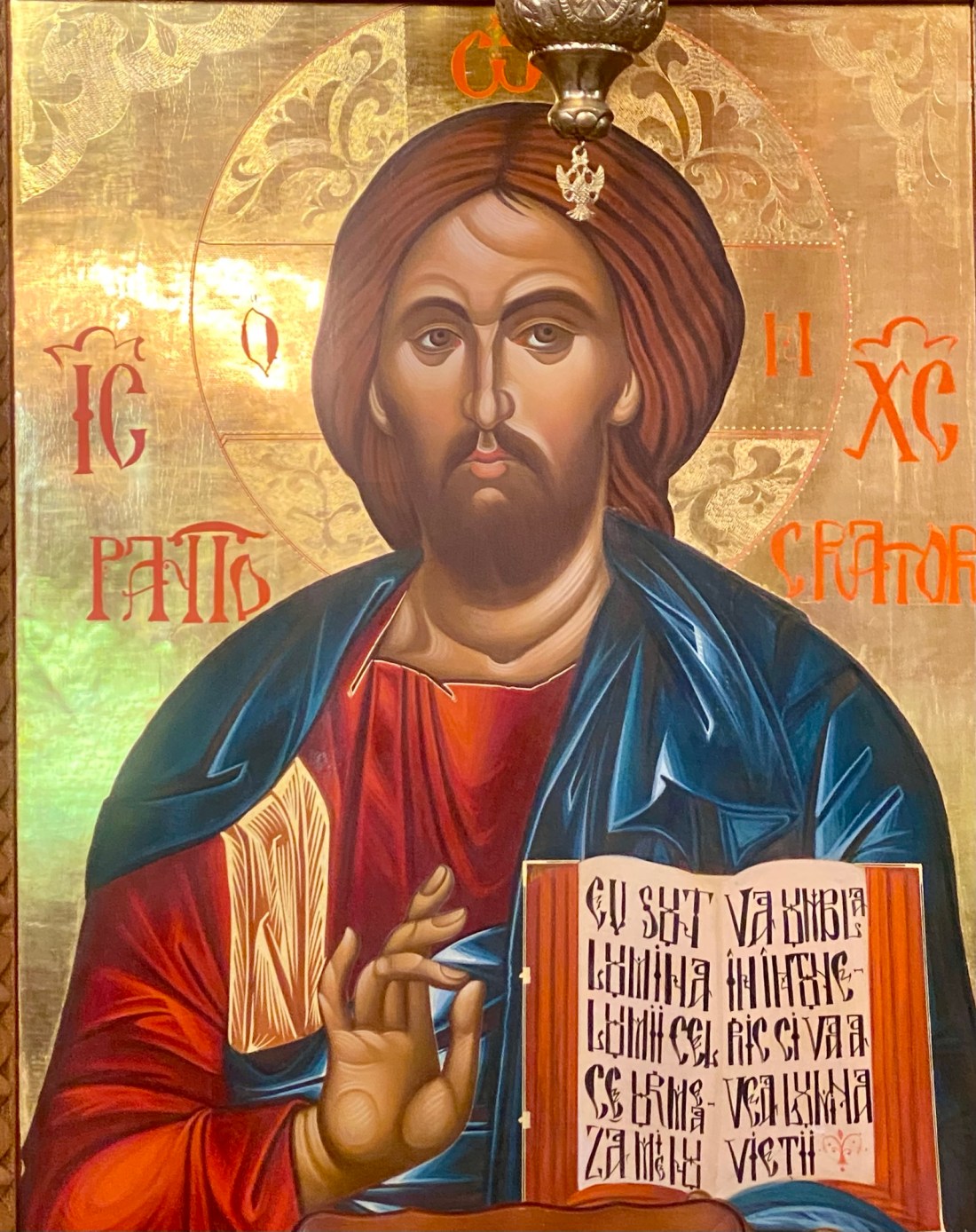
Identity, ego, and the wandering of the modern man

Soul of mine, listen to a heavy word, for the times are sick and man is more lost than ever. The modern man no longer knows who he is—not because he lacks identity, but because he wears too many masks, and each mask demands blood, attention, validation, comparison, noise. The modern man no longer lives from the heart but from the reactions of others, no longer breathes air but opinions, no longer seeks truth but confirmation, no longer seeks peace but stimulation, no longer seeks God but himself—and thus, soul of mine, man has become a stranger to his own being.

The ego is the greatest illness of our age—not the psychological ego that keeps a person standing, but the swollen, distorted, deified ego. The ego that says “I deserve,” “I must be seen,” “I must be appreciated,” “I am special,” “I am the center of the world.” This “I” is not the man, but his idol—and man serves this idol with a fidelity he does not give to God, nor to his neighbor, nor to himself.

Psychologically, the modern man is split in two: outwardly strong, confident, loud; inwardly fragile, anxious, empty. Why? Because his identity is not built on truth but on comparisons, competition, image, performance, appearance—and any identity built on sand collapses at the first breath of reality.

Morally, the modern man has no center, no reference points, no limits, no shame, no fear of himself—but he fears the world; he no longer fears sin, but he fears failure; he no longer fears God, but he fears the opinion of others. And then, soul of mine, how could he not be lost?

Spiritually, the modern man is the poorest of all—not because he lacks access to God, but because he has no space left for Him. The heart is occupied, the mind is occupied, the time is occupied, the senses are occupied, the will is occupied—and the ego sits on the throne. But God does not enter where man sits as king.

The harshest truth, soul of mine, listen: you cannot discover who you are until you stop being what you imagine yourself to be. True identity is not born from applause, success, image, performance, status, or the online world, but from silence, humility, truth, repentance, the cleansing of the heart, the encounter with God—for man does not discover himself in the mirror, but in the light of grace.

Soul of mine, if you want to find yourself, stop building yourself. If you want to be healed, stop asserting yourself. If you want to love, stop placing yourself at the center—for where the ego is, there is no room for love; and where there is no love, there is no God; and where there is no God, man becomes a shadow that believes itself to be light.

Identitate, ego și rătăcirea omului modern

Suflete al meu, ascultă cuvânt greu, căci vremea e bolnavă și omul e mai rătăcit ca oricând. Omul de azi nu mai știe cine este și asta nu pentru că nu ar avea identitate, ci pentru că are prea multe măști și fiecare mască cere sânge, atenție, validare, comparație, zgomot. Omul modern nu mai trăiește din inimă, ci din reacțiile altora, nu mai respiră aer, ci păreri, nu mai caută adevărul, ci confirmarea, nu mai caută liniștea, ci stimularea, nu mai caută pe Dumnezeu, ci pe sine și astfel, suflete, omul a ajuns străin de el însuși. Ego-ul este cea mai mare boală a vremii, nu ego-ul psihologic, care ține omul în picioare, ci ego-ul umflat, deformat, îndumnezeit. Ego-ul care spune „Eu merit”, „Eu trebuie să fiu văzut”, „Eu trebuie să fiu apreciat”, „Eu sunt special”, „Eu sunt centrul lumii”, acest „eu” nu e omul, ci idolul lui și omul își slujește idolul cu o fidelitate pe care nu o dă nici lui Dumnezeu, nici aproapelui, nici sieși. Psihologic, omul modern e rupt în două, pe dinafară puternic, sigur, vocal, pe dinăuntru fragil, anxios, gol. De ce? Pentru că identitatea lui nu e zidită pe adevăr, ci pe comparații, competiție, imagine, performanță, aparență și orice identitate construită pe nisip se prăbușește la prima suflare a realității. Moral, omul modern nu mai are centru, nu mai are repere, nu mai are limite, nu mai are rușine, nu mai are frică de sine, dar are frică de lume, nu mai are frică de păcat, dar are frică de eșec, nu mai are frică de Dumnezeu, dar are frică de părerea oamenilor și atunci, suflete, cum să nu se piardă? Duhovnicesc, omul modern e cel mai sărac dintre toți și asta nu pentru că nu ar avea acces la Dumnezeu, ci pentru că nu mai are spațiu pentru El, inima e ocupată, mintea e ocupată, timpul e ocupat, simțurile sunt ocupate, voia e ocupată și ego-ul e pe tron, dar Dumnezeu nu intră acolo unde omul se așază ca împărat. Adevărul cel mai aspru suflete al meu, ascultă: nu poți afla cine ești până nu încetezi să fii ceea ce îți imaginezi, iar identitatea adevărată nu se naște din aplauze, succes, imagine, performanță, statut, online, ci din tăcere, smerenie, adevăr, pocăință, curățirea inimii, întâlnirea cu Dumnezeu, căci omul nu se descoperă pe sine în oglindă, ci în lumina harului. Suflete al meu, dacă vrei să te regăsești, încetează să te mai construiești, dacă vrei să te vindeci, încetează să te mai afirmi, dacă vrei să iubești, încetează să te mai pui pe tine în centru, căci acolo unde e ego, nu e loc pentru dragoste și acolo unde nu e dragoste, nu e Dumnezeu, și acolo unde nu e Dumnezeu, omul devine o umbră care se crede lumină.

Cine crezi că ești tu, pleava societății?

Suflete al meu, ascultă, nu ești nici influencer, nici umbră, nu ești nici mare, nici mic, ești doar o clipă între două respirații ale lui Dumnezeu. Când îți vine gândul acesta: «Cine crezi că ești tu, pleava societății?» să nu-l alungi, căci el nu vine să te piardă, ci să te trezească, căci pleavă devine omul modern nu pentru că îl disprețuiește lumea, ci pentru că se hrănește cu ea. Pleavă devine omul când își măsoară valoarea în like‑uri, își caută identitatea în privirile altora, își hrănește mândria cu validare ieftină, își face altar din propria imagine, își vinde liniștea pentru atenție și își pierde sufletul pentru a fi „cineva”. Tu, suflete, ai ajuns să trăiești nu înaintea lui Dumnezeu, ci înaintea unui ecran și nu cauți adevărul, ci reacția, nu cauți smerenia, ci vizibilitatea, nu cauți tăcerea, ci zgomotul care să te acopere și atunci gândul te întreabă pe drept „Cine crezi că ești?” Căci omul de azi vrea să fie văzut, nu să fie adevărat, să fie admirat, nu să fie curat, să fie cineva în lume, dar nu vrea să fie om în fața lui Dumnezeu. Suflete al meu, tu nu ești pleavă pentru că ești mic, ci pentru că te crezi mare, nu ești gol pentru că nu ai succes, ci pentru că ți-ai făcut din succes un dumnezeu și nu ești pierdut pentru că lumea te ignoră, ci pentru că ți-ai pierdut inima în lume. Adu-ți aminte: mândria te face greu de mântuit și ușor de manipulat. Omul mândru se teme de părerea altora, se hrănește cu comparații, se sufocă în competiție, se rupe de sine, se rupe de ceilalți, se rupe de Dumnezeu, și atunci, suflete, întreabă-te cu adevăr «Cine sunt eu fără aplauze? Cine sunt eu fără imagine? Cine sunt eu fără lume?» Dacă nu știi, ești deja pleavă, dar nu rămâne aici căci gândul acesta nu e trimis să te zdrobească, ci să te curețe. Spune-ți ție însuți, în taină «Da, sunt pleavă când mă ridic pe mine, sunt nimic când mă cred ceva, sunt gol când mă laud», dar adaugă și aceasta, ca să nu cazi în întuneric «Domnul nu caută pleava, ci grâul și dacă mă smeresc, mă va aduna în hambarul Lui.» Așa să-ți vorbești ție, om al vremurilor de acum nu cu dispreț, ci cu trezvie, nu cu ură de sine, ci cu tăierea voii și nu cu disperare, ci cu adevăr căci cel ce se vede pleavă înaintea lumii devine sclavul ei, dar cel ce se vede pleavă înaintea lui Dumnezeu devine grâu înaintea veșniciei. Doamne Iisuse Hristoase miluiește-mă!

Testul unei căsnicii bune – Bunețea unei căsnicii se dovedește prin faptul că poate rezista unei „excepții”. Nietzsche

Se spunea despre un frate că, deși trăia în pace cu soția lui, se tulbura când venea asupra lor o încercare neașteptată. Și mergând la un bătrân, i-a zis: „Avvo, de ce se clatină casa mea când vine o ispită, deși în toate celelalte suntem în bună înțelegere?”

Bătrânul i-a răspuns: „Fiule, nu în vremea soarelui se cunoaște tăria acoperișului, ci în vremea ploii, așa și căsnicia, nu în zilele obișnuite se arată dragostea, ci în clipa în care unul dintre voi cade, greșește sau se abate de la rânduială. Dacă atunci rămâneți împreună, nu prin slăbiciune, ci prin răbdare și iertare, să știi că Dumnezeu a întărit casa voastră.”

Și a mai zis bătrânul: „O excepție nu este sfârșitul unei căsnicii, ci locul unde începe adevărata ei lucrare, căci dragostea nu se măsoară în zilele bune, ci în felul în care ridici pe cel căzut și în felul în care primești iertarea când tu însuți ai căzut.”

În lumea de azi, unde oamenii se despart pentru o greșeală, pentru o slăbiciune sau pentru o neputință trecătoare, căsnicia nu este un contract între două perfecțiuni, ci un drum între două neputințe care aleg să nu se lase una pe alta. Excepția – greșeala, rătăcirea, momentul de slăbiciune este locul unde se vede dacă dragostea este doar simțire sau este și jertfă. Răbdarea și iertarea sunt pietrele de temelie ale unei case care nu se prăbușește la prima furtună.

Leacurile duhovnicului

Duhovnicul îi aduce păcătosului, cu mare grijă și înțelepciune, niște leacuri ce însănătoşesc, dintre care unele sunt cu adevărat fundamentale și necesare, iar altele, doar circumstanțiale și ținând de rânduială.

Se spunea despre un bătrân că, atunci când venea la el un om rănit de păcat, nu se grăbea nici să-l mustre, nici să-l mângâie, ci își pleca mintea în rugăciune și zicea în sine „Doamne, dă-mi cuvânt potrivit pentru rana acestui frate, căci nu toate rănile se vindecă cu același untdelemn.” Și povesteau frații că odată a venit la el un tânăr tulburat, cerând canon greu, ca să-și „plătească” păcatele. Iar bătrânul i-a zis: „Fiule, nu totdeauna fierul vindecă, nici totdeauna mierea, uneori rana cere tăietură, alteori doar o atingere, așa și duhovnicul, el nu dă din ale sale, ci din ale lui Dumnezeu, și Dumnezeu nu dă tuturor aceeași doctorie.

Cuvânt pentru omul de astăzi

Astăzi oamenii vin la duhovnic ca la un tehnician „Repară-mă repede, părinte, și spune-mi exact ce să fac”, dar duhovnicul ar spune: Leacul fundamental este întoarcerea inimii la Dumnezeu, pocăința adevărată, zdrobirea mândriei fiindcă fără acestea, toate celelalte sunt doar pansamente puse peste o rană netratată. Leacul rânduielii — postul, metaniile, citirile, pravila, tăcerile, toate sunt bune, dar nu sunt scopul, ci mijlocul, ele se schimbă după om, după vreme, după putere. Leacul discernământului — este darul prin care duhovnicul vede ce trebuie dat fiecăruia, uneori canon, alteori iertare; uneori oprire, alteori îndrăzneală; uneori tăcere, alteori cuvânt aspru.

Și bătrânul mai zicea: Vai de cel ce caută canon mare ca să se creadă mare și vai de cel ce fuge de canon mic ca să nu se smerească căci nu canonul te vindecă, ci ascultarea.

Pentru omul contemporan

Omule, tu vrei leac fără durere, vindecare fără schimbare, iertare fără pocăință, dar să știi că duhovnicul nu este magician, nici psiholog, nici terapeut de confort, el este martorul rănilor tale și slujitorul harului lui Dumnezeu. Dacă primești leacul cu mândrie, te vei îmbolnăvi mai rău, dacă îl primești cu smerenie, chiar și cel mai mic canon devine izvor de viață.

Și iarăși zicea bătrânul: Nu întreba de ce ți-a dat duhovnicul puțin sau mult, întreabă-te dacă ai primit cu inimă zdrobită căci Dumnezeu nu vindecă prin cantitate, ci prin ascultare.

Duhovnicul nu dă leacuri ca să vă pedepsească, ci ca să vă întoarcă la viață și dacă uneori leacul e greu, să nu cârtiți; iar dacă e ușor, să nu vă mândriți căci toate sunt rânduite de Duhul Sfânt, Care vindecă pe fiecare după rana lui.

Dumnezeu și infinitul 

Întrebare: „Infinitul este cuvântul și puterea lui Dumnezeu?”

Răspuns:  Întrebarea ta este mare, dar nu te teme de ea, ci de adâncul ei. Tu ai întrebat «Infinitul este cuvântul și puterea lui Dumnezeu?» Și eu îți spun că infinitul este un gând al minții, iar Dumnezeu este mai presus de orice gând. Mintea omului nu poate cuprinde pe Dumnezeu, așa cum palma nu poate cuprinde marea, de aceea mintea a născocit cuvântul infinit, ca să nu se piardă în necuprins , dar infinitul este doar o umbră, iar Dumnezeu este Soarele. Infinitul este o măsură fără margini, Dumnezeu este Făcătorul măsurii și al nemăsurii să nu-L cobori pe Dumnezeu în cuvintele tale, chiar dacă sunt mari, căci Dumnezeu nu este nici infinit, nici finit, El este Cel ce este, iar infinitul este doar un deget care arată spre El. În oraș totul se măsoară, timpul, banii, pașii, distanțele, chiar și oamenii de aceea te tulbură cuvântul infinit, căci mintea ta s-a obișnuit cu margini, iar infinitul nu are margini, dar să știi că puterea lui Dumnezeu nu stă în infinit, ci în iubire și iubirea Lui nu are sfârșit, nu pentru că este „infinită”, ci pentru că este vie. Infinitul este o idee, Dumnezeu este o Persoană, infinitul nu te ascultă, Dumnezeu te aude, infinitul nu te iubește, Dumnezeu te caută, De aceea nu te pierde în cuvinte mari, ci caută-L pe Cel ce le depășește și dacă vrei să cunoști puterea Lui, nu o căuta în infinit, ci în rugăciunea inimii «Doamne, Iisuse Hristoase, miluiește-mă.» abia atunci vei înțelege nu ce este infinitul, ci Cine este Cel fără margini.

Ascuțimea simțurilor și putința minții

Omul de astăzi nu mai fuge în pustie, că și-a făcut pustia înăuntrul lui, dar nu pustia îl mântuiește, ci adevărul pe care îl vede în ea. Și adevărul este acesta, simțurile tale sunt ascuțite, dar inima ta e tocită. Vezi prea mult, auzi prea mult, dorești prea mult, și toate acestea îți mănâncă mintea ca rugina fierul. A zis un înțelept al lumii «Sunt încurcat de ascuțimea simțurilor și mă rușinez de putința intelectului meu.» Nu simțurile sunt vinovate, ci faptul că le-ai făcut împărați peste suflet, căci omul modern are ochi care nu se mai satură, urechi care nu mai tac, gusturi care nu mai postesc, dorințe care nu mai dorm și apoi se miră că mintea lui e slabă, împrăștiată, rușinată. Mintea nu se rușinează decât atunci când a pierdut împărăția inimii, când simțurile sunt ascuțite, dar duhul e leneș, omul devine rob, când mintea e puternică, dar inima e mândră, omul devine tiran, dar când mintea se smerește și inima se curățește, atunci simțurile se liniștesc și omul devine om. Nu telefonul, nici orașul, nici lumea nu te încurcă, ci inima ta neînvățată să tacă, nu zgomotul lumii te tulbură, ci zgomotul din tine de aceea fă-ți o chilie în inimă și intră acolo, închide ușa simțurilor, nu cu forța, ci cu rugăciunea și vei vedea că mintea, care acum te rușinează, se va lumina ca o candelă aprinsă în noapte. Căci omul nu se mântuiește prin ascuțimea simțurilor, nici prin puterea minții, ci prin smerenia inimii și smerenia aceasta nu vine din lume, ci din strigătul, Doamne, Iisuse Hristoase, miluiește-mă! Atunci simțurile se vor supune, mintea se va aduna, iar inima va cunoaște pacea pe care lumea nu o poate da.

De ce nu putem iubi? Idolii ascunși ai inimii!

Fratele meu, să iubești pe Domnul Dumnezeul tău din toată inima ta, din tot sufletul tău, din tot cugetul tău şi din toată puterea ta. Aceasta este cea dintâi poruncă. Iar a doua e aceasta: Să iubeşti pe aproapele tău ca pe tine însuți. Mai mare decât acestea nu este altă poruncă. Marcu 12:30,31!

În pustia cea mai aspră a inimii unde vântul taie ca un cuțit și liniștea îți dezvăluie adevărul pe care orașul îl ascunde, voi spune un cuvânt greu, pentru că vremea este grea și inimile sunt adormite, noi nu putem iubi, nu pentru că Dumnezeu nu ne-ar da putere, ci pentru că nu vrem să murim față de noi înșine. Omul de astăzi zice „Nu pot iubi”. „Nu poți iubi pentru că ai alt dumnezeu în inimă, pe tine însuți.”

Nu pot iubi pentru că sunt mândru

Mândria este idolul cel mai ascuns, ea nu cere tămâie, ci doar să te gândești la tine și când te gândești la tine, nu mai ai loc pentru Dumnezeu, nici pentru fratele tău. Mândria nu te lasă să vezi chipul lui Hristos în celălalt, ci doar umbra ta.

Nu pot iubi pentru că sunt egoist

Egoismul este altarul pe care omul modern își jertfește fiecare zi, totul trebuie să-i slujească lui, timpul, oamenii, chiar și Dumnezeu, dar cine se slujește pe sine nu poate sluji iubirea.

Nu pot iubi din slavă deșartă

Slava deșartă este ca un vierme în inimă și roade tot ce e bun. Omul face binele nu pentru Dumnezeu, ci pentru privirea oamenilor și atunci binele lui este mort, iar iubirea lui este o mască.

Nu pot iubi din părere de sine

Părerea de sine este cea mai subțire înșelare, iar omul crede că e bun, că e drept, că e duhovnicesc, dar cine se crede bun nu mai cere milă și cine nu cere milă nu poate da milă.

Nu pot iubi din cauza Ego-ului

Ego-ul este vițelul de aur al lumii contemporane și toți îl hrănesc, îl lustruiesc, îl apără, dar Hristos nu intră într-o inimă plină de sine, El intră doar acolo unde omul se goleşte.

Fratele meu, nu te minți, nu putem iubi pentru că nu vrem să ne lepădăm de idolii inimii, nu putem iubi pentru că nu vrem să murim, dar fără moartea ego-ului, nu există învierea iubirii. Dacă vrei să împlinești prima poruncă, zdrobește-ți idolii, dacă vrei să împlinești a doua poruncă, zdrobește-ți mândria, căci iubirea nu vine din tine, ci din Dumnezeu, tu doar fă loc. Începe prin a spune adevărul înaintea lui Dumnezeu, Doamne, nu pot iubi, pentru că sunt plin de mine, ia-mă Tu și fă ce nu pot eu, atunci începe lucrarea harului.

Empatia haina mincinoasă a iubirii

Fratele meu, vremea este bolnavă și oamenii s‑au deprins să numească lumină ceea ce este doar o umbră subțire. Empatia, așa cum o laudă lumea, este o haină subțire, cusută din fire psihologice, nu din lacrimi și pocăință. Este o haină care se rupe la prima încercare, pentru că nu acoperă inima, ci doar o poleiește. În pustia lumii am văzut multe măști, dar niciuna nu este mai primejdioasă decât masca empatiei, căci ea se preface a fi iubire, dar înăuntru ascunde egoismul, care caută să fie văzut bun, slava deșartă, care vrea să fie lăudată pentru sensibilitate, mândria, care se hrănește din imaginea de „om profund”, validarea, care cere aplauze pentru fiecare gest „altruist” și părerea de sine, care se crede vindecătorul lumii. Empatia aceasta lumească nu este iubire, ci oglinda în care omul se admiră pe sine în timp ce se preface că vede pe aproapele. Adevărata iubire de aproapele nu are nevoie de empatie, ci are nevoie de cruce. Empatia spune „Simt ce simți tu”, dar iubirea spune „Port ce nu pot duce nici pentru mine”, empatia spune „Te înțeleg”, iubirea spune „Mă lepăd de mine ca să fii tu viu.” Empatia caută confortul emoțional, iubirea caută jertfa, empatia vrea să fie recunoscută, iubirea vrea să fie uitată, empatia este o haină psihologică, iubirea este o haină de foc. Să știi, fratele meu, că omul nu poate iubi cât timp își iubește chipul din oglindă, nu poate iubi cât timp își apără ego-ul și nu poate iubi cât timp caută să fie apreciat pentru „sensibilitatea” lui, căci iubirea nu este o emoție, ci o moarte, moartea mândriei, moartea voii proprii, moartea slavei deșarte și numai după ce moare omul cel vechi, se naște în el ceva ce nu mai seamănă cu empatia, ci cu milostivirea lui Dumnezeu, care nu simte, ci ridică, nu se emoționează, ci vindecă și nu caută să fie văzută, ci se ascunde. Fugi de empatia care te face să te simți bun și caută iubirea care te face să te simți nevrednic, căci numai acolo începe lucrarea cea adevărată.