Peace With God First / Pace mai întâi cu Dumnezeu

If you had to give one life-changing tip, what would it be?

If I had to give one life-changing tip, it would be this: make peace with God before you make peace with the world. Everything else — money, relationships, success — is built on sand if the soul’s foundation is troubled. “Seek first the kingdom of God and His righteousness, and all these things shall be added unto you” (Matthew 6:33). The man who first sets his inner life in order will find the outer life set in order as well.


Ro

Dacă ar fi să dau un singur sfat care schimbă viața, ar fi acesta: fă-ți pace cu Dumnezeu înainte să faci pace cu lumea. Toate celelalte — bani, relații, reușite — se clădesc pe nisip dacă temelia sufletului e tulbure. „Căutați mai întâi împărăția lui Dumnezeu și dreptatea Lui, și toate acestea se vor adăuga vouă” (Matei 6:33). Omul care își rânduiește mai întâi lăuntrul, pe cel din urmă îl rânduiește și pe cel dinafară.

Mișcările firii 

Mișcările firii sunt trei: spre Dumnezeu, spre sine, spre lume. În starea inițială, toate trei erau luminoase: mișcarea spre Dumnezeu era ascensiune, mișcarea spre sine era cunoaștere, mișcarea spre lume era slujire. După cădere, ordinea se rupe: mișcarea spre Dumnezeu se stinge, mișcarea spre sine se întunecă, mișcarea spre lume se dezlănțuie. Omul nu mai urcă, ci se închide; nu se mai cunoaște, ci se confundă; nu mai slujește, ci consumă. Sfântul Maxim arată că firea nu se mișcă singură, ci este mișcată: în starea căzută, mișcările nu mai sunt raționale, ci impulsive. Mișcarea spre Dumnezeu devine frică, mișcarea spre sine devine egoism, mișcarea spre lume devine patimă. Omul nu mai trăiește vertical, ci centrifugal: se împrăștie în dorințe, reacții, plăceri, temeri. Firea nu se degradează prin păcat, ci prin pierderea direcției. Când mișcarea spre Dumnezeu dispare, celelalte două se dezorientează și devin mecanisme de supraviețuire. Omul nu mai este persoană, ci nod de impulsuri. Vindecarea nu înseamnă oprirea mișcărilor, ci reașezarea lor: spre Dumnezeu prin ascultare, spre sine prin luminare, spre lume prin iubire. Mișcările firii nu sunt problema; direcția lor este. Căderea este mișcare fără Dumnezeu. Ridicarea este mișcare înapoi spre Dumnezeu. Tot restul sunt detalii.

The Movements of Nature

The movements of nature are three: toward God, toward the self, toward the world. In the original state, all three were luminous: the movement toward God was ascent, the movement toward the self was knowledge, the movement toward the world was service. After the fall, the order breaks: the movement toward God fades, the movement toward the self darkens, the movement toward the world becomes unleashed. Man no longer ascends but closes in; no longer knows himself but confuses himself; no longer serves but consumes. Saint Maximus shows that nature does not move by itself but is moved: in the fallen state, the movements are no longer rational but impulsive. The movement toward God becomes fear, the movement toward the self becomes egoism, the movement toward the world becomes passion. Man no longer lives vertically but centrifugally: he scatters into desires, reactions, pleasures, fears. Nature is not degraded by sin but by the loss of direction. When the movement toward God disappears, the other two become disoriented and turn into mechanisms of survival. Man is no longer a person but a knot of impulses. Healing does not mean stopping the movements but reordering them: toward God through obedience, toward the self through illumination, toward the world through love. The movements of nature are not the problem; their direction is. The fall is movement without God. Rising is movement back toward God. Everything else is detail.

Să nu-ți pierzi inima

Sunt zile în care omul simte că înaintează și zile în care i se pare că a pierdut totul. Dar Dumnezeu nu măsoară drumul după simțirile noastre, ci după credincioșia cu care continuăm să mergem.

Vrăjmașul încearcă adesea să obosească sufletul, șoptindu-i că lupta este prea lungă, că rugăciunea este fără rod și că schimbarea nu va veni niciodată. Însă aceste gânduri nu sunt adevărul. Adevărul este că Dumnezeu lucrează chiar și atunci când ochii noștri nu văd, iar inima noastră nu simte.

Așa cum sămânța crește în taină sub pământ înainte de a ieși la lumină, tot astfel și harul lucrează în adâncul sufletului înainte ca roadele lui să se arate. De multe ori, cea mai mare lucrare a lui Dumnezeu se petrece în tăcere.

Nu te compara cu alții și nu te judeca după o singură zi. Privește numai spre Hristos și fă, astăzi, următorul pas al ascultării. Dumnezeu nu îți cere să ajungi deodată la desăvârșire; îți cere să nu încetezi să mergi spre El.

Când simți că puterile te părăsesc, nu spune: „Nu mai pot.” Spune: „Doamne, Tu poți în mine.” Atunci slăbiciunea ta va deveni locul în care se va arăta puterea Lui.

„Să nu obosim făcând binele, căci la vremea potrivită vom secera, dacă nu vom slăbi.” (Galateni 6:9)

Do Not Lose Heart

There are days when a person feels he is making progress, and days when he thinks he has lost everything. But God does not measure the journey by our feelings, but by the faithfulness with which we continue to walk.

The enemy often seeks to weary the soul, whispering that the struggle is too long, that prayer bears no fruit, and that change will never come. Yet these thoughts are not the truth. The truth is that God is at work even when our eyes do not see and our hearts do not feel.

Just as a seed grows secretly beneath the soil before it appears above the ground, so grace works in the depths of the soul before its fruits become visible. Very often, God’s greatest work is accomplished in silence.

Do not compare yourself with others, nor judge yourself by a single day. Look only to Christ, and today take the next step of obedience. God does not ask you to reach perfection all at once; He asks you never to stop walking toward Him.

When you feel your strength failing, do not say, “I can do no more.” Say instead, “Lord, You can in me.” Then your weakness will become the place where His power is revealed.

“Let us not grow weary while doing good, for in due season we shall reap if we do not lose heart.” (Galatians 6:9)

Cinstea și chipul

Se spune despre un om că, fiind bulversat în cugetul său, a fost întrebat de un frate: „Cum se poartă oamenii cu tine?” Iar el a răspuns, suspinând: „Oamenii mă cinstesc, dar nu știu cine sunt!”

Și zicea bătrânul care a auzit aceasta: „Mare cursă este cinstea, fiule, căci ea îmbracă pe om într-o haină pe care alții au țesut-o din nevoile lor, nu din adevărul tău. Cinstea nu doar îmbracă, ci și deformează: ea îți pune pe chip o mască pe care, dacă o porți prea mult, ajungi să o confunzi cu fața ta. Omul se uită la tine și vede ceea ce are trebuință să vadă — un sprijin, o autoritate, un chip liniștitor — iar tu, primind privirea lui, începi să crezi că ești chiar ceea ce el a plăsmuit.”

Așa se face că mulți s-au pierdut nu în disprețul lumii, ci în lauda ei, căci disprețul te izgonește din cetate, dar lauda te așază pe un tron străin, în care nu mai încapi tu, ci doar umbra pe care ceilalți o hrănesc cu așteptările lor. Cinstea este o oglindă care nu arată chipul, ci masca; iar omul care se privește prea mult în oglinda altora ajunge să-și uite propria față.

Cel vechi zicea: „Cunoaște-te pe tine însuți” — și n-a fost aceasta numai o vorbă a filosofilor, ci și taina pustnicilor, căci Avva Isaac spunea că omul care nu-și cunoaște propria sărăcie este ca un vas spart pe care alții îl umplu cu apă, socotind că ține, până ce apa toată se scurge și rămâne numai țărâna. Cunoașterea de sine nu este o cercetare a gândurilor, ci o vedere a propriei neputințe în lumina lui Dumnezeu. Așa e și cinstea fără cunoaștere: umple un vas care nu ține.

De aceea, când oamenii te cinstesc și tu simți în inimă bulversarea aceasta — ea nu este ispită de la vrăjmaș, ci este glasul conștiinței care nu se lasă amăgit, glasul lui Dumnezeu Care bate ușor la ușa sufletului și te întreabă, ca odinioară pe Adam în rai: „Unde ești?” Nu întreabă unde ești în ochii oamenilor, ci unde ești în adevărul tău, sub toate hainele pe care ceilalți ți le-au pus pe umeri.

Iar Sfântul Isaac Sirul mai zicea: „Fericit este omul care se cunoaște pe sine, căci această cunoaștere este temelia și rădăcina tuturor bunătăților.” Deci nu fugi de bulversarea aceasta, ci intră în ea ca într-o chilie strâmtă, și acolo, în întuneric, așteaptă să se aprindă o candelă — nu lumina pe care ți-o dau alții, ci lumina cea dinăuntru, care nu se stinge când te lasă lumea.

Căci mai bine e să te cunoști sărac decât să te cinstească toți fără să te cunoască nimeni.

Honor and the Face

It is said of a man that, being troubled in his mind, he was asked by a brother: “How do people treat you?” And he answered, sighing: “People honor me, but they do not know who I am!”

And the elder who heard this said: “Great is the snare of honor, my son, for it clothes a man in a garment that others have woven from their own needs, not from your truth. Honor does not merely clothe — it deforms: it places upon your face a mask which, if you wear it too long, you come to mistake for your own countenance. A man looks at you and sees what he needs to see — a support, an authority, a comforting face — and you, receiving his gaze, begin to believe that you are exactly what he has fashioned.”

Thus many have been lost not in the world’s contempt but in its praise, for contempt drives you out of the city, but praise seats you upon a foreign throne in which there is no longer room for you, but only for the shadow that others feed with their expectations. Honor is a mirror that shows not the face but the mask; and the man who gazes too long into the mirror of others comes to forget his own face.

The ancient one said: “Know thyself” — and this was not only a saying of the philosophers, but also the secret of the desert fathers, for Abba Isaac said that the man who does not know his own poverty is like a broken vessel which others fill with water, supposing it holds, until all the water has drained away and only dust remains. Self-knowledge is not an examination of thoughts, but a seeing of one’s own helplessness in the light of God. So it is with honor without knowledge: it fills a vessel that does not hold.

Therefore, when people honor you and you feel in your heart this trouble — it is not a temptation from the enemy, but the voice of a conscience that will not be deceived, the voice of God, Who knocks gently at the door of the soul and asks you, as once He asked Adam in paradise: “Where art thou?” He does not ask where you are in the eyes of men, but where you are in your truth, beneath all the garments others have laid upon your shoulders.

And Saint Isaac the Syrian also said: “Blessed is the man who knows himself, for this knowledge is the foundation and root of all good things.” So do not flee from this trouble, but enter into it as into a narrow cell, and there, in the darkness, wait for a lamp to be kindled — not the light that others give you, but the light from within, which does not go out when the world abandons you.

For it is better to know yourself poor than to be honored by all while known by none.

Bucuria cea liniștită

Bucuria care vine de la Dumnezeu nu face zgomot, ci aduce odihnă inimii.

Lumea caută bucuria în ceea ce se schimbă: în laudă, în câștig, în izbândă și în desfătare. Dar toate acestea trec asemenea umbrei. De aceea, cel ce își sprijină inima pe lucrurile trecătoare va fi când înălțat, când doborât de schimbarea lor.

Bucuria Duhului Sfânt are un alt chip. Ea poate locui într-o inimă săracă, într-un trup obosit și chiar în mijlocul încercărilor. Nu se hrănește din împrejurări, ci din apropierea de Dumnezeu. Cu cât omul se golește de iubirea de sine, cu atât această bucurie se așază mai adânc în sufletul lui.

Nu căuta emoții puternice în viața duhovnicească. Caută credincioșia, iar bucuria va veni la vremea ei. Ea nu se impune cu putere, ci se așază lin, asemenea luminii dimineții care alungă întunericul fără zgomot.

Cel ce a gustat această bucurie nu mai aleargă necontenit după noutăți. El descoperă că Dumnezeu este îndeajuns și că prezența Lui umple golul pe care lumea nu l-a putut umple niciodată.

„Bucurați-vă pururea în Domnul. Și iarăși zic: Bucurați-vă!” (Filipeni 4:4)

Quiet Joy

The joy that comes from God makes no noise; it brings rest to the heart.

The world seeks joy in things that change: praise, success, gain, and pleasure. Yet all these pass away like a shadow. Therefore, the one who anchors his heart in passing things will be lifted up one day and cast down the next.

The joy of the Holy Spirit has another character. It can dwell in a poor heart, a weary body, and even in the midst of trials. It is not nourished by circumstances but by nearness to God. The more a person empties himself of self-love, the more deeply this joy settles within his soul.

Do not seek powerful emotions in the spiritual life. Seek faithfulness, and joy will come in its proper time. It does not force itself upon the soul, but rests gently within it, like the morning light that drives away darkness without noise.

The one who has tasted this joy no longer runs endlessly after novelty. He discovers that God is enough, and that His presence fills the emptiness the world could never satisfy.

“Rejoice in the Lord always. Again I will say, rejoice!” (Philippians 4:4)

What’s a skill you consider basic, that most people don’t actually know how to do?

I’d say the most basic skill few people truly have anymore is listening. Not hearing — hearing is just the body doing its job. Listening means falling silent inside, setting aside your own thoughts and your own concern for yourself, for as long as the other person is speaking. We all learned to talk as children; almost no one was taught to be quiet and receive another person within themselves without judging, without rehearsing their reply before the other has finished. It’s a skill our noisy, hurried age has nearly abandoned.

It may be the hardest one, because true listening asks for a small death of self — you have to empty out a space so the other can fit inside it. That’s exactly why real listeners stay rare, and why they’re usually the ones people seek out when they’re in pain.


Ro

Aș spune că cea mai de bază deprindere, pe care puțini o mai au cu adevărat, este să asculți. Nu să auzi — auzul e trup, funcție. Să asculți înseamnă să taci înăuntru, să-ți lași gândul și grija de tine deoparte, cât ține clipa în care celălalt vorbește. Toți am învățat să vorbim de mici; aproape nimeni nu a fost învățat să tacă și să primească pe altul înăuntrul său fără să-l judece, fără să-i pregătească răspunsul înainte să termine. E o deprindere pe care lumea de azi, grăbită și plină de zgomot, a lăsat-o aproape cu totul.

E poate cea mai grea, pentru că ascultarea adevărată cere o mică moarte de sine — trebuie să te faci loc gol, ca celălalt să încapă. Și tocmai de-aceea, cei care ascultă cu adevărat rămân rari și, de obicei, sunt cei pe care oamenii îi caută când sunt în durere.

The Face Beneath the Shadow / Chipul de sub umbră

Who is the fictional character you relate to the most?

The fictional character I relate to most is the Shadow learning to become a face — not an archetype to be integrated, but an image of what a person hides from himself until God brings it into the light. Not the hero, not the defeated one, but the man who sees himself without sparing himself. Whoever truly knows himself no longer needs another character.

I recognize myself in the one who carries his fall like an open wound, not like a story to tell others. In the one who knows the fight isn’t with the world, but with the heart that flees the truth — and that the most persistent demons wear the face of one’s own will. His silence isn’t weakness but a weapon, where words would only dress up the wound. Self-deception is, for him, the subtlest form of flight; fear isn’t the enemy but the teacher; and responsibility lies not in “what happened to me” but in “what I do with what happened to me.”

He doesn’t seek meaning outside his life, but in how he lives it. He doesn’t ask “why?” but “how should I be?” — he doesn’t want to understand everything, he refuses to lose himself in explanations. Authenticity, for him, isn’t freedom but obligation; the tragic isn’t fatalism but the place where will is born; truth isn’t a concept but a daily practice.

The character I identify with doesn’t exist yet. He’s the man who walks through the wilderness of the heart without fleeing its silence, who isn’t afraid of himself, who refuses to be a victim without believing himself a hero, who doesn’t hide in fiction but uses it as a mirror — and who discovers, at the wilderness’s end, that silence doesn’t destroy him, but gives him birth.


Ro

Personajul ficțional cu care mă regăsesc este Umbra care învață să devină chip — nu ca arhetip de integrat, ci ca imagine a ceea ce omul ascunde de sine însuși până când Dumnezeu îl scoate la lumină. Nu eroul, nu învinsul, ci omul care se vede pe sine fără să se cruțe. Cine se cunoaște cu adevărat, acela nu mai are nevoie de alt personaj.

Mă regăsesc în cel care își poartă căderea ca pe o rană deschisă, nu ca pe o poveste de spus altora. În cel care știe că lupta nu e cu lumea, ci cu inima care fuge de adevăr — și că demonii cei mai stăruitori poartă chipul propriei voințe. Tăcerea lui nu e neputință, ci armă, acolo unde cuvântul n-ar face decât să cosmetizeze rana. Autodecepția e pentru el cea mai subtilă formă de fugă; frica nu-i dușman, ci dascăl; iar responsabilitatea nu stă în „ce mi s-a întâmplat”, ci în „ce fac cu ce mi s-a întâmplat”.

Nu caută sensul în afara vieții lui, ci în felul în care o trăiește. Nu întreabă „de ce?”, ci „cum să fiu?” — nu vrea să înțeleagă totul, ci refuză să se piardă în explicații. Autenticitatea nu e pentru el libertate, ci datorie; tragicul nu e fatalism, ci locul unde se naște voința; adevărul nu e concept, ci practică zilnică.

Personajul cu care mă identific nu există încă. E omul care merge prin pustia inimii fără să fugă de tăcerea ei, care nu se teme de sine, care refuză să fie victimă fără să se creadă erou, care nu se ascunde în ficțiune, ci o folosește ca oglindă — și care descoperă, la capătul pustiei, că tăcerea nu-l distruge, ci îl naște.

A locui în prezența lui Dumnezeu

Omul lăuntric începe să se schimbe atunci când încetează să-L caute pe Dumnezeu doar în anumite ceasuri și începe să trăiască înaintea Lui în fiecare clipă.

Nu există loc în care Dumnezeu să nu fie prezent. El este cu tine în biserică și pe drum, în liniștea chiliei și în zgomotul cetății, în vremea rugăciunii și în vremea lucrului. Ceea ce lipsește adesea nu este prezența Lui, ci aducerea aminte a inimii.

Deprinde-te să întorci mintea către Dumnezeu de multe ori în timpul zilei. Nu sunt întotdeauna necesare cuvinte multe. Uneori este de ajuns un suspin, o scurtă rugăciune, o privire lăuntrică plină de credință sau o mulțumire tăcută. Astfel, inima învață să rămână aproape de Izvor chiar și atunci când mâinile sunt ocupate.

Cel ce Își amintește des de Dumnezeu începe să uite de sine. Grijile își pierd din putere, mânia se stinge mai repede, iar bucuriile nu mai nasc mândrie. Prezența lui Dumnezeu devine măsura tuturor lucrurilor.

Nu aștepta un timp mai potrivit pentru a fi cu Dumnezeu. El te așteaptă chiar în clipa aceasta. Fă din fiecare respirație o aducere aminte că viața ta este purtată neîncetat în mâinile Lui.

„În El trăim și ne mișcăm și suntem.” (Faptele Apostolilor 17:28)

Dwelling in the Presence of God

The inner man begins to be transformed when he ceases to seek God only at certain hours and begins to live before Him at every moment.

There is no place where God is absent. He is with you in the church and on the road, in the silence of the cell and in the noise of the city, in the time of prayer and in the time of work. What is often lacking is not His presence, but the heart’s remembrance of Him.

Train yourself to turn your mind toward God many times throughout the day. Many words are not always necessary. Sometimes a sigh, a brief prayer, an inward glance of faith, or a silent act of thanksgiving is enough. In this way, the heart learns to remain near the Source even while the hands are occupied.

The one who remembers God often begins to forget himself. Cares lose their power, anger fades more quickly, and joys no longer give birth to pride. The presence of God becomes the measure of all things.

Do not wait for a more convenient time to be with God. He is waiting for you in this very moment. Let every breath become a reminder that your life is continually upheld in His hands.

“In Him we live and move and have our being.” (Acts 17:28)

Animalicul 

Animalicul nu este insultă, ci nivel ontologic. Este starea la care omul poate trăi fără Dumnezeu: instinct, impuls, reacție, supraviețuire. Căderea nu aruncă omul în neant, ci în animalic, pentru că animalicul este mișcarea firii fără lumină. Sfântul Maxim arată că patimile sunt mișcări iraționale intrate în om odată cu păcatul; când rațiunea firii se stinge, impulsul devine lege. Animalicul nu este comportament, ci orientare: omul nu mai trăiește vertical, ci orizontal; nu mai caută sens, ci plăcere; nu mai caută adevăr, ci evitare a durerii. Mintea nu mai judecă, ci reacționează; voința nu mai alege, ci se apără; inima nu mai iubește, ci se închide. Omul nu devine animal pentru că este pedepsit, ci pentru că nu mai poate spune „nu” patimii. Patima nu este mare; omul căzut este mic. Animalicul este omul rupt de Dumnezeu, redus la mecanismele firii: dorință, frică, apărare, consum. Chipul rămâne, asemănarea se pierde. Vindecarea nu vine prin morală, ci prin întoarcere: ascultarea reașază mișcarea firii, luminează mintea, eliberează voința. Animalicul nu se vindecă prin efort, ci prin legătura refăcută cu Dumnezeu. Omul nu este chemat să fie animal, ci fiu. Tot restul sunt detalii.

The Animalic 

The animalic is not an insult but an ontological level. It is the state in which man can live without God: instinct, impulse, reaction, survival. The fall does not throw man into nothingness but into the animalic, because the animalic is the movement of nature without light. Saint Maximus shows that passions are irrational movements entering man through sin; when the reason of nature fades, impulse becomes law. The animalic is not behavior but orientation: man no longer lives vertically but horizontally; no longer seeks meaning but pleasure; no longer seeks truth but the avoidance of pain. The mind no longer judges but reacts; the will no longer chooses but defends; the heart no longer loves but closes. Man becomes animal not because he is punished but because he can no longer say “no” to passion. Passion is not great; fallen man is small. The animalic is man severed from God, reduced to the mechanisms of nature: desire, fear, defense, consumption. The image remains, the likeness is lost. Healing does not come through morality but through return: obedience reorders the movement of nature, enlightens the mind, frees the will. The animalic is not healed through effort but through the restored bond with God. Man is not called to be animal but son. Everything else is detail.

Iubirea care doare


„Doamne ajută la iubirea care doare, ca aia e iubirea care mântuiește!”


Sunt două iubiri care poartă același nume și nu se aseamănă la nimic altceva. Una caută să se odihnească, cealaltă caută să se răstignească. Una vrea să primească, cealaltă vrea doar să dea, chiar și atunci când n-are ce să mai dea decât durerea ei. Lumea aceasta cunoaște bine pe cea dintâi. O cântă în toate cântecele ei, o zugrăvește dulce și ușoară, o făgăduiește fără cruce. Dar iubirea aceea nu mântuiește pe nimeni, pentru că nu costă nimic. Iar ce nu costă nimic, nu poate răscumpăra nimic.

Iubirea care mântuiește este cealaltă. Este iubirea care doare, pentru că a iubi cu adevărat înseamnă a purta pe celălalt înăuntrul tău, cu tot ce e greu în el, cu neputințele lui, cu răutatea lui uneori, cu tăcerile lui care te rănesc. Hristos ne-a arătat-o pe cruce, nu în cuvinte: „Mai mare dragoste decât aceasta nimeni nu are, ca sufletul lui să și-l pună pentru prietenii săi” (Ioan 15:13). Nu a spus-o doar, a făcut-o. Iubirea Lui pentru noi nu a fost o simțire caldă, ci o rană primită de bunăvoie, o moarte primită pentru viața altuia. Așa arată, la capătul ei, orice iubire adevărată: o cruce mică, purtată în tăcere, pentru cel pe care-l iubești.

Sfântul Apostol Pavel descrie iubirea aceasta cu blândețe, dar noi uităm cât de aspră e, de fapt, rânduiala ei: „dragostea rabdă totul, crede totul, nădăjduiește totul, suferă totul” (1 Corinteni 13:7). Nu se spune că dragostea evită suferința. Se spune că o suferă. Cel care iubește cu adevărat pe soțul, pe copilul, pe părintele, pe prietenul său, nu iubește doar bucuriile aduse de ei, ci le poartă și rănile, și neputințele, și, uneori, chiar nerecunoștința lor. Iar în purtarea aceasta stă mântuirea, pentru că acolo, în durerea primită pentru altul, mintea noastră iese din sine și se apropie de chipul lui Hristos.

Sfântul Isaac Sirul spunea că inima milostivă este cea care „arde de dragoste pentru toată zidirea” și că această ardere nu poate fi fără durere, pentru cel ce iubește simte în trupul său durerea tuturor. Nu e o iubire care se ferește de rană — e o iubire care primește rana altuia ca pe a ei. Așa a iubit Hristos: „El a purtat neputințele noastre și durerile noastre le-a luat asupra Sa” (Isaia 53:4). Iubirea mântuitoare nu ocolește durerea celuilalt, ci o ia asupra ei.

De aceea gândul acesta e o rugăciune bine țintită: „Doamne, ajută la iubirea care doare.” Pentru că firea noastră căzută fuge de orice durere, chiar și de cea îngăduită pentru mântuirea altuia. Vrem să iubim ușor, fără cruce, fără noapte, fără răbdare. Și de aceea avem nevoie de ajutorul lui Dumnezeu tocmai aici — nu ca să scăpăm de durerea iubirii, ci ca să avem puterea s-o purtăm până la capăt, fără să fugim, fără să ne închidem inima, fără s-o transformăm în amărăciune sau în judecată.

Cine a iubit vreodată cu adevărat un om greu de iubit — un bolnav, un vrăjmaș, un fiu risipitor, un suflet întunecat — știe că acolo, în durerea aceea primită și dusă mai departe fără să se stingă, se lucrează ceva ce nu se poate lucra altfel: se lucrează asemănarea cu Hristos. Nu iubirea care simte bine, ci iubirea care rabdă rău și rămâne, aceea zidește sufletul. Aceea mântuiește, pentru că îl scoate pe om din sine și-l duce, prin rană, la Cel Răstignit.

Așa să ne fie și nouă iubirea: nu una care se ferește de spini, ci una care-i primește, ca să înflorească, la vremea ei, în cea mai frumoasă floare — învierea celui pentru care am răbdat.

The Love That Hurts


“Lord, help with the love that hurts, for that is the love that saves!”

There are two kinds of love that bear the same name and resemble each other in nothing else. One seeks to rest, the other seeks to be crucified. One wants to receive, the other wants only to give, even when it has nothing left to give except its own pain. This world knows well the first one. It sings of it in all its songs, paints it as sweet and easy, promises it without a cross. But that love does not save anyone, because it costs nothing. And what costs nothing cannot redeem anything.

The love that saves is the other one. It is the love that hurts, because to truly love means to carry the other within yourself — with everything heavy in them, with their weaknesses, with their occasional malice, with their silences that wound you. Christ showed it to us on the Cross, not in words: “Greater love has no one than this, that a man lay down his life for his friends” (John 15:13). He did not only say it — He did it. His love for us was not a warm feeling, but a wound received willingly, a death accepted for another’s life. This is what any true love looks like, at its end: a small cross, carried in silence, for the one you love.

Saint Paul describes this love gently, but we forget how harsh its rule truly is: “love bears all things, believes all things, hopes all things, endures all things” (1 Corinthians 13:7). It does not say that love avoids suffering. It says that it endures it. The one who truly loves his spouse, his child, his parent, his friend, does not love only the joys they bring, but also carries their wounds, their weaknesses, and sometimes even their ingratitude. And in this carrying lies salvation, because there — in the pain received for another — our mind steps out of itself and draws near to the image of Christ.

Saint Isaac the Syrian said that the merciful heart is the one that “burns with love for all creation,” and that this burning cannot exist without pain, for the one who loves feels in his own body the suffering of all. It is not a love that avoids wounds — it is a love that receives another’s wound as its own. This is how Christ loved: “He took up our infirmities and carried our sorrows” (Isaiah 53:4). Saving love does not avoid the other’s pain — it takes it upon itself.

That is why this thought is a well-aimed prayer: “Lord, help with the love that hurts.” Because our fallen nature flees from any pain, even from the pain allowed for another’s salvation. We want to love easily, without a cross, without night, without patience. And that is why we need God’s help precisely here — not to escape the pain of love, but to have the strength to carry it to the end, without running away, without closing our heart, without turning it into bitterness or judgment.

Whoever has ever truly loved a person hard to love — a sick one, an enemy, a prodigal son, a darkened soul — knows that there, in that pain received and carried further without extinguishing, something is worked that cannot be worked otherwise: the likeness to Christ. Not the love that feels good, but the love that endures what is bad and remains — that is the love that builds the soul. That is the love that saves, because it takes a person out of himself and leads him, through the wound, to the Crucified One.

May our love be like this: not one that avoids thorns, but one that receives them, so that it may blossom, in its time, into the most beautiful flower — the resurrection of the one for whom we have endured.

Watchfulness of the Mind

Sin does not begin when the hand acts, but when the mind ceases to keep watch.

The heart is like a city, and the mind is the watchman standing upon its walls. If the watchman falls asleep, the enemy enters without resistance. In the same way, evil thoughts gain power not by their mere arrival, but by being welcomed and nourished within us.

Do not be troubled simply because you are tempted. No one is exempt from the struggle. Be concerned only when you begin to converse with temptation as though it were a friend. An evil thought is far easier to drive away at the gate than after it has become master of the heart.

Watchfulness is not unceasing tension, but a peaceful attentiveness before God. The soul that prays with humility gradually learns to discern what comes from grace and what comes from deception. Thus the mind is enlightened, and the heart remains at peace.

Do not try to conquer every thought by your own strength. Turn your mind toward Christ. Light does not wrestle with darkness; it simply appears, and the darkness departs.

“Be sober, be vigilant; because your adversary the devil walks about like a roaring lion, seeking whom he may devour.” (1 Peter 5:8)

Do you think everything happens for a reason?

don’t believe in destiny, but I do believe in God’s will, which can turn any event into meaning.
Not everything has a reason — but everything can be used in the light.


Nu cred în destin, dar cred în voia lui Dumnezeu, care poate transforma orice întâmplare în loc de sens.
Nu totul are un motiv — dar totul poate fi folosit în lumină.

Ascultarea

Ascultarea nu este supunere, ci vindecare. Omul nu ascultă pentru că este slab, ci pentru că vrea să fie viu. Căderea a fost întreruperea relației cu Dumnezeu; ascultarea este restabilirea ei. În starea căzută, mintea nu mai vede, voința nu mai alege, inima nu mai iubește; ascultarea reașază toate aceste mișcări. Sfântul Maxim arată că ascultarea nu este act moral, ci mișcare ontologică: ea întoarce firea spre Dumnezeu și o scoate din cercul plăcerii și durerii. Omul nu se ridică luptând cu patimile, ci refăcând legătura cu Cel care îl ține vertical. Ascultarea luminează mintea, eliberează voința, deschide inima. Ea nu micșorează omul, ci îl reface. Animalicul trăiește prin impuls; omul duhovnicesc trăiește prin ascultare. Impulsul este reacție; ascultarea este direcție. Impulsul apără sinele; ascultarea îl depășește. Impulsul consumă; ascultarea dăruiește. Omul nu devine liber prin autonomie, ci prin întoarcere. Ascultarea nu este pierdere, ci recuperare a asemănării. Când omul ascultă, nu se înclină, ci se ridică. Când ascultarea dispare, firea se dezintegrează; când ascultarea revine, firea se reașază. Ascultarea este mișcarea prin care omul încetează să fie animalic și începe să fie fiu. Tot restul sunt detalii.

Obedience

Obedience is not submission but healing. Man does not obey because he is weak but because he wants to live. The fall was the interruption of the relationship with God; obedience is its restoration. In the fallen state, the mind no longer sees, the will no longer chooses, the heart no longer loves; obedience reorders all these movements. Saint Maximus shows that obedience is not a moral act but an ontological motion: it turns nature back toward God and frees it from the circle of pleasure and pain. Man does not rise by fighting passions but by restoring the bond with the One who keeps him upright. Obedience enlightens the mind, frees the will, opens the heart. It does not diminish man; it rebuilds him. The animalic lives by impulse; the spiritual man lives by obedience. Impulse is reaction; obedience is direction. Impulse protects the self; obedience surpasses it. Impulse consumes; obedience gives. Man does not become free through autonomy but through return. Obedience is not loss but the recovery of likeness. When man obeys, he does not bow—he rises. When obedience disappears, nature disintegrates; when obedience returns, nature is restored. Obedience is the movement by which man ceases to be animalic and begins to be son. Everything else is detail.

Vegherea minții

Păcatul nu începe atunci când mâna lucrează, ci atunci când mintea încetează să vegheze.

Inima este asemenea unei cetăți, iar mintea este străjerul așezat pe zidurile ei. Dacă străjerul adoarme, vrăjmașul intră fără împotrivire. Tot astfel, gândurile rele nu dobândesc putere prin simpla lor venire, ci prin primirea și hrănirea lor înlăuntrul nostru.

Nu te tulbura pentru că ești ispitit. Nimeni nu este scutit de luptă. Tulbură-te numai dacă începi să vorbești cu ispita ca și cum ar fi un prieten. Gândul rău este mai ușor de alungat la poartă decât după ce a ajuns stăpân în inimă.

Vegherea nu înseamnă încordare neîncetată, ci o atenție liniștită înaintea lui Dumnezeu. Sufletul care se roagă cu smerenie începe să recunoască mai repede ceea ce vine de la har și ceea ce vine din înșelare. Astfel, mintea se luminează, iar inima rămâne în pace.

Nu încerca să biruiești fiecare gând prin propriile puteri. Întoarce-ți mintea către Hristos. Lumina nu se luptă cu întunericul; ea doar se arată, iar întunericul se risipește.

„Fiți treji, privegheați! Potrivnicul vostru, diavolul, umblă răcnind ca un leu, căutând pe cine să înghită.” (1 Petru 5:8)

A muri față de sine

Omul lăuntric nu se naște prin împlinirea voii proprii, ci prin răstignirea ei împreună cu Hristos.

Cea mai grea luptă nu este cu lumea, nici cu împrejurările, ci cu omul cel vechi care dorește neîncetat să fie pe primul loc. El caută să aibă dreptate, să fie lăudat, să fie slujit și să-și împlinească voia, dar, atât timp cât acest om stăpânește inima, pacea rămâne departe.

Hristos ne cheamă pe o altă cale. El nu ne poruncește doar să purtăm crucea, ci să ne lepădăm de noi înșine. Această lepădare nu înseamnă dispreț față de propria persoană, ci renunțarea la egoism, la mândrie și la iubirea de sine care se împotrivesc iubirii lui Dumnezeu.

De fiecare dată când alegi iertarea în locul răzbunării, blândețea în locul mâniei, tăcerea în locul judecării și ascultarea în locul voii proprii, omul cel vechi pierde din putere, iar Hristos Se face tot mai văzut în tine.

Nu te teme să pierzi ceea ce te îndepărtează de Dumnezeu. Nimic din ceea ce moare pentru Hristos nu se pierde. Tot ceea ce este predat în mâinile Lui renaște curățit, luminat și plin de viață.

„Dacă voiește cineva să vină după Mine, să se lepede de sine, să-și ia crucea în fiecare zi și să-Mi urmeze Mie.” (Luca 9:23)

Dying to Self

The inner man is not born by fulfilling his own will, but by crucifying it together with Christ.

The greatest battle is not against the world or circumstances, but against the old self that constantly seeks first place. It wants to be right, to be praised, to be served, and to have its own way. As long as this old self rules the heart, peace remains far away.

Christ calls us to another path. He does not merely command us to carry the cross, but to deny ourselves. This self-denial is not contempt for one’s own person, but the renunciation of selfishness, pride, and self-love that oppose the love of God.

Each time you choose forgiveness instead of revenge, gentleness instead of anger, silence instead of judgment, and obedience instead of self-will, the old self loses its strength, and Christ becomes more clearly visible in you.

Do not fear losing whatever separates you from God. Nothing that dies for Christ is truly lost. Everything surrendered into His hands is raised again—purified, illumined, and filled with life.

“If anyone would come after Me, let him deny himself and take up his cross daily and follow Me.” (Luke 9:23)

Frica de moarte 

Frica de moarte nu este emoție, ci ruptură ontologică. Ea apare când omul nu mai este unit cu Dumnezeu. Înainte de cădere nu exista teamă, pentru că omul era în Viață. După cădere, frica de moarte devine centrul mișcărilor firii, motorul patimilor, rădăcina fugilor și dorințelor. Sfântul Maxim spune că frica de moarte leagă sufletul de trup în cercul plăcerii și durerii, nu ca pedeapsă, ci ca urmare firească a ruperii de Dumnezeu. Omul nu se teme pentru că moartea e mare, ci pentru că omul căzut e mic. Frica lucrează prin plăcere, durere, instinct, egoism, patimi. Omul caută plăcerea ca să fugă de pierdere, fuge de durere pentru că îi amintește de moarte, se apără pe sine pentru că nu mai are pe Cine să se sprijine. Frica de moarte este animalicul în forma lui subtilă. Ea degradează mintea: nu mai vede vertical, ci utilitar; voința nu mai caută binele, ci evitarea pierderii; inima nu mai caută pe Dumnezeu, ci siguranța; libertatea nu mai este mișcare, ci apărare. Omul devine animal nu pentru că vrea, ci pentru că frica îl obligă să trăiască prin impuls. Chipul rămâne, asemănarea se pierde. Frica de moarte este prima umbră peste asemănare: omul nu se mai poate dărui, nu mai poate iubi, nu mai poate semăna cu Dumnezeu. Vindecarea nu vine prin curaj, nici prin filosofie, ci prin ascultare. Ascultarea nu este supunere, ci întoarcere; nu slăbiciune, ci vindecare; nu renunțare, ci recuperare. Omul nu biruie frica prin sine, pentru că sinele este locul unde frica lucrează. Frica de moarte se vindecă doar când omul încetează să trăiască prin impuls și începe să trăiască prin ascultare, adică prin legătura refăcută cu Dumnezeu. Frica de moarte este rădăcina căderii. Ascultarea este rădăcina ridicării. Între ele stă omul: fie animalic, fie îndumnezeit.

The Fear of Death

The fear of death is not an emotion but an ontological rupture. It appears when man is no longer united with God. Before the fall there was no fear, because man lived in Life. After the fall, the fear of death becomes the center of the movements of nature, the engine of passions, the root of all flights and desires. Saint Maximus says the fear of death binds the soul to the body in the circle of pleasure and pain, not as punishment but as the natural consequence of separation from God. Man fears not because death is great, but because fallen man is small. Fear works through pleasure, pain, instinct, egoism, passions. Man seeks pleasure to escape loss, flees pain because it reminds him of death, protects himself because he has no One to lean on. The fear of death is the animalic in its most subtle form. It degrades the mind: it no longer sees vertically but functionally; the will no longer seeks the good but the avoidance of loss; the heart no longer seeks God but safety; freedom is no longer movement but defense. Man becomes animal not because he wants to, but because fear forces him to live by impulse. The image remains, the likeness is lost. The fear of death is the first shadow over likeness: man can no longer give himself, can no longer love, can no longer resemble God. Healing does not come through courage or philosophy but through obedience. Obedience is not submission but return; not weakness but healing; not renunciation but restoration. Man does not conquer fear through himself, for the self is precisely where fear operates. The fear of death is healed only when man stops living by impulse and begins living by obedience, that is, by the restored bond with God. The fear of death is the root of the fall. Obedience is the root of rising. Between them stands man: either animalic or deified.

What’s your home decoration style?

My home decoration style is not really a style, but a search for quietness. I prefer simplicity that doesn’t demand attention, light that doesn’t justify itself, and objects that stay silent with me. I want my living space to feel like a small desert: few things, each with purpose; colors that don’t tire the eye; room for the soul to breathe.
I don’t follow trends — I follow peace.


Stilul meu de amenajare nu este unul decorativ, ci unul al liniștii. Caut simplitatea care nu cere atenție, lumina care nu se explică, și obiectele care nu strigă, ci tac împreună cu mine. Îmi place ca locul în care trăiesc să fie o mică pustie: puține lucruri, dar fiecare cu rost; culori care nu obosesc ochiul; spațiu care lasă sufletul să respire.
Nu urmăresc stiluri, ci pacea.

Looseners of Tongues

Nietzsche

Looseners of tongues. The value of many men and books rests solely on their faculty for compelling all to speak out the most hidden and intimate things. They are looseners of tongues and crowbars to open the most stubborn teeth. Many events and misdeeds which are apparently only sent as a curse to mankind possess this value and utility. — Nietzsche

The Patericon of the Heart about the Word of the Philosopher

It was said about an elder of the desert that, hearing the word of the philosopher who claimed that there are people and books that loosen the tongue and bring to light the most hidden things of the heart, he struck the ground with his staff and said:

“My son, the philosopher is not mistaken when he says that some have the gift of opening the mouth of the silent, for God sometimes allows people, books, and events that force us to see ourselves. But know that not everyone who loosens the tongue also heals it. Sometimes the loosening of the tongue is the judgment of the heart.”

On the Loosening of the Tongue

A brother asked: “Abba, the philosopher calls some men looseners of tongues, crowbars that open the most clenched teeth. What does this mean?”

The elder replied:

“My son, man carries within himself mysteries he does not reveal even to the angels. But sometimes a word, a book, a person, or a trial comes that compels him to confess his depths. This is how God works with those who refuse to see themselves: He sends looseners of tongues so that what was hidden may come to light. Nietzsche saw rightly that there are people who bring forth the most intimate things. But what he did not see is that the tongue is loosened not to show ourselves to others, but to show ourselves to ourselves.”

On the Crowbars that Open Teeth

The brother said: “Abba, the philosopher calls these things crowbars that open the most stubborn teeth.”

The elder replied:

“My son, a crowbar is a tool of force. So too are troubles, illnesses, falls, rebukes, harsh people, and sharp words. They do not come to crush us, but to open us. Nietzsche sensed that evil sometimes has a utility: it forces man to speak, to reveal himself, to know himself. But we know that it is not evil that loosens the tongue, but the grace that works even in the midst of evil, like light entering through a crack.”

On Events that Seem Like a Curse

The brother asked: “Abba, the philosopher says that many events and evil deeds, which seem like a curse, have this utility.”

The elder replied:

“My son, man sees a curse where God sees medicine. For sometimes man does not repent until he is struck, does not humble himself until he is shamed, does not cleanse himself until he is exposed. Nietzsche understood that evil can have a purpose, but he did not understand that the purpose does not come from evil, but from God. Evil is not a teacher, but a whip; not light, but noise; not a loosener, but an instrument through which grace works.”

The Judgment of the Heart

The elder concluded:

“My son, the looseners of tongues are sent to show us what we hide. But if the tongue is loosened and the heart does not humble itself, man becomes only a speaker of himself, not a healed one. Do not fear those who loosen your tongue, but those who close your heart. For a loosened tongue without a purified heart is a sword without a handle — and a sword without a handle wounds the one who wields it.”

What Nietzsche Meant (Integrated Explanation)

• Nietzsche observes that certain people, books, or events have the power to bring hidden truths of a person to the surface.

• He calls these forces “looseners of tongues”, meaning factors that compel a person to reveal himself.

• For Nietzsche, even evil, suffering, scandal, or error can have a revelatory function: they expose what was concealed.

• In the patristic view, this idea is true but incomplete: it is not evil that reveals, but grace working even in the midst of evil.

• Nietzsche sees psychological utility; the Holy Fathers see spiritual purpose.

Dezlegătorii de limbi

Dezlegători de limbi. Valoarea multor oameni și a multor cărți stă doar în puterea lor de a‑i constrânge pe toți să rostească cele mai ascunse și mai intime lucruri. Ei sunt dezlegători de limbi și răngi care deschid cei mai încăpățânați dinți. Multe întâmplări și fapte rele, care par trimise omenirii doar ca un blestem, au această valoare și utilitate. — Nietzsche

Patericul inimii despre cuvântul filosofului

Se spunea despre un bătrân al pustiei că, auzind cuvântul filosofului care zicea că există oameni și cărți ce dezleagă limba și scot la iveală cele mai ascunse lucruri ale inimii, a lovit pământul cu toiagul și a zis:

„Fiule, nu greșește filosoful când spune că unii au darul de a deschide gura celor tăcuți, căci Dumnezeu îngăduie uneori oameni, cărți și întâmplări care ne forțează să ne vedem pe noi înșine. Dar să știi că nu tot cel ce dezleagă limba o și vindecă. Uneori dezlegarea limbii este judecata inimii.”

Despre dezlegarea limbii

Un frate a întrebat: „Avvo, filosoful numește pe unii dezlegători de limbi, răngi care deschid dinții cei mai încleștați. Ce înseamnă aceasta?”

Bătrânul a răspuns:

„Fiule, omul poartă în el taine pe care nu le spune nici îngerilor. Dar vine uneori un cuvânt, o carte, un om sau o încercare care îl silește să‑și mărturisească adâncul. Așa lucrează Dumnezeu cu cei ce nu vor să se vadă: trimite dezlegători de limbi, ca să iasă la lumină ceea ce era ascuns. Nietzsche a văzut bine că există oameni care scot la iveală cele mai intime lucruri. Dar ceea ce nu a văzut este că limba se dezleagă nu pentru a ne arăta altora, ci pentru a ne arăta nouă înșine.”

Despre răngile care deschid dinții

Fratele a zis: „Avvo, filosoful numește aceste lucruri răngi care deschid dinții cei mai încăpățânați.”

Bătrânul a răspuns:

„Fiule, ranga este unealtă de forță. Așa sunt uneori necazurile, bolile, căderile, mustrările, oamenii aspri, cuvintele tăioase. Ele nu vin ca să ne zdrobească, ci ca să ne deschidă. Nietzsche a simțit că răul are uneori o utilitate: el forțează omul să vorbească, să se dezvăluie, să se cunoască. Dar noi știm că nu răul dezleagă limba, ci harul care lucrează chiar și în mijlocul răului, precum lumina care pătrunde printr‑o crăpătură.”

Despre întâmplările care par blestem

Fratele a întrebat: „Avvo, filosoful zice că multe întâmplări și fapte rele, care par blestem, au această utilitate.”

Bătrânul a răspuns:

„Fiule, omul vede blestem unde Dumnezeu vede doctorie. Căci uneori omul nu se pocăiește până nu este lovit, nu se smerește până nu este rușinat, nu se curăță până nu este dezvăluit. Nietzsche a înțeles că răul poate avea un rost, dar nu a înțeles că rostul nu vine din rău, ci din Dumnezeu. Răul nu este profesor, ci bici; nu este lumină, ci zgomot; nu este dezlegător, ci instrument prin care lucrează harul.”

Judecata inimii

Bătrânul a încheiat:

„Fiule, dezlegătorii de limbi sunt trimiși ca să ne arate ce ascundem. Dar dacă limba se dezleagă și inima nu se smerește, omul devine doar un vorbitor de sine, nu un vindecat. Să nu te temi de cei ce îți dezleagă limba, ci de cei ce îți închid inima. Căci limba dezlegată fără inimă curățită este sabie fără mâner — iar o sabie fără mâner rănește pe cel ce o poartă.”

Ce a vrut Nietzsche să spună (explicație integrată)

• Nietzsche observă că anumite persoane, cărți sau evenimente au puterea de a scoate la suprafață adevăruri ascunse ale omului.

• El numește aceste forțe „dezlegători de limbi”, adică factori care obligă omul să se dezvăluie.

• Pentru Nietzsche, chiar și răul, suferința, scandalul, greșeala pot avea o funcție revelatoare: ele scot la lumină ceea ce era ascuns.

• În viziune patristică, această idee este adevărată, dar incompletă: nu răul dezvăluie, ci harul care lucrează chiar și în mijlocul răului.

• Nietzsche vede utilitatea psihologică; Sfinții Părinți văd rostul duhovnicesc.

Chipul lui Hristos în aproapele

Este ușor să-L cauți pe Dumnezeu în rugăciune, dar adevărul rugăciunii se arată în felul în care îl privești pe aproapele tău.

Fiecare om care îți iese în cale este o chemare la iubire. Unii îți aduc bucurie, alții îți pun răbdarea la încercare, iar alții te rănesc. Însă niciunul nu vine în viața ta fără îngăduința lui Dumnezeu. Fiecare poate deveni o treaptă spre smerenie sau o pricină de cădere, după cum îți deschizi inima.

Nu spune că Îl iubești pe Dumnezeu dacă nu înveți să rabzi slăbiciunile fratelui tău. Dragostea nu se dovedește prin cuvinte frumoase, ci prin iertare, prin blândețe și prin răbdarea cu care porți neputințele celuilalt. De multe ori, cea mai curată rugăciune este să taci atunci când ai putea răni cu un cuvânt.

Hristos nu ne-a poruncit doar să facem bine celor care ne iubesc, ci și să binecuvântăm pe cei care ne prigonesc și să ne rugăm pentru cei care ne nedreptățesc. Acolo începe iubirea care seamănă cu iubirea lui Dumnezeu.

Când privești pe aproapele tău, nu întreba mai întâi ce îți datorează el ție. Întreabă-te ce așteaptă Hristos de la tine față de el.

„Întrucât ați făcut unuia dintre acești frați ai Mei prea mici, Mie Mi-ați făcut.” (Matei 25:40)

The Face of Christ in Your Neighbor

It is easy to seek God in prayer, but the truth of prayer is revealed in the way you look upon your neighbor.

Every person who crosses your path is a call to love. Some bring you joy, others test your patience, and still others wound you. Yet none comes into your life apart from God’s permission. Each one can become either a step toward humility or a cause of stumbling, depending on how you open your heart.

Do not say that you love God if you are unwilling to bear your brother’s weaknesses. Love is not proven by beautiful words, but by forgiveness, gentleness, and the patience with which you carry another’s frailty. Very often, the purest prayer is to remain silent when you could wound with a word.

Christ did not command us only to do good to those who love us, but also to bless those who persecute us and to pray for those who wrong us. There begins the love that resembles the love of God.

When you look upon your neighbor, do not first ask what he owes you. Ask instead what Christ expects of you toward him.

“Truly I say to you, as you did it to one of the least of these My brethren, you did it to Me.” (Matthew 25:40)

What’s a song lyric that has stuck with you forever?

I keep no lyrics, only wounds that sing.
One word stayed with me: “Rise.”
Not from a song, but from my own fall.


Nu port versuri, ci răni care cântă.
Un singur cuvânt mi-a rămas: „Ridică-te.”
Nu din melodie, ci din prăbușirea mea.

A hero impossible from lack of colour

A hero impossible from lack of colour. The typical poets and artists of our age like to compose their pictures upon a background of shimmering red, green, grey, and gold, on the background of nervous sensuality – a condition well understood by the children of this century. The drawback comes when we do not look at these pictures with the eyes of our century. Then we see that the great figures painted by these artists have something flick-ering, tremulous and dizzy about them, and accordingly we do not ascribe to them heroic deeds, but at best mock-heroic, swaggering misdeeds. Nietzsche 

The Hero Whom the Age Can No Longer See

Our age paints heroes in restless colors — bright red, weary green, murky gray, glittering gold. Colors of a soul that no longer has roots, only vibration. Nietzsche saw it clearly: the great faces of the epoch do not stand firm, they tremble. They are not heroes, but reflections of an imagined greatness. And what Nietzsche calls “pseudo‑heroism” is not a mere artistic mistake. It is the symptom of a world that has lost its light.

The Light That Does Not Tremble

The Holy Fathers knew that there is only one color that never fades: the light of Christ.

“I am the Light of the world.” (John 8:12). Everything painted outside this light, no matter how intense, remains without foundation.

It is like a face drawn on water: beautiful for a moment, then torn apart by its own instability. An icon does not tremble. The face of a saint does not dizzy the eye. Because it is not painted from passion, but from purity.

The Heroism That Cannot Be Seen

Nietzsche called “boastful pretenses” what Scripture calls vain glory. The hero of the world is the one who shines for a moment and quickly fades. The hero of God is the one who does not shine at all — and precisely for that reason endures.

True heroism has no loud colors. It has silence. In the patience of the martyr who does not defend himself. In the fasting known by no one. In the forgiveness given without witnesses.

“Blessed are those who are persecuted for righteousness’ sake.” (Matthew 5:10). There is born the hero whom the age cannot paint, because the age can no longer see humility.

Nietzsche’s Diagnosis, the Gospel’s Cure

Nietzsche diagnosed correctly: the world can no longer depict greatness because it no longer has greatness in its heart. But the Gospel goes deeper: the problem is not the lack of colors, but the lack of holiness. The age cannot paint heroes because it no longer has heroes. And it no longer has heroes because it no longer has light. Light is not learned; light is received.

“Beholding the glory of the Lord, we are transformed into the same image.” (2 Corinthians 3:18)

The colorless hero is not an artistic figure, but a calling: to step out of the trembling of the age and enter the steadfastness of the light. Not red, not gold, not green, but the light that does not waver.

The light of the One who does not change.

Un erou imposibil din lipsă de culoare

Un erou imposibil din lipsă de culoare. Poeții și artiștii tipici ai epocii noastre îndrăgesc să-și compună tablourile pe un fundal de roșu, verde, gri și auriu sclipitor, pe fundalul unei senzualități nervoase – o stare bine înțeleasă de copiii acestui veac. Neajunsul apare atunci când nu privim aceste tablouri cu ochii veacului nostru. Atunci vedem că marile figuri zugrăvite de acești artiști au ceva șovăielnic, tremurător și amețitor în ele, și, prin urmare, nu le atribuim fapte eroice, ci cel mult fapte pseudo-eroice, ifose lăudăroase. Nietzsche

Eroul pe care veacul nu-l mai poate vedea

Veacul nostru pictează eroi în culori neliniștite — roșu aprins, verde obosit, gri tulbure, aur sclipitor. Culori ale unui suflet care nu mai are rădăcină, ci doar vibrație. Nietzsche a văzut bine: chipurile mari ale epocii nu stau, ci tremură. Nu sunt eroi, ci reflexe ale unei măreții închipuite. Dar ceea ce Nietzsche numește „pseudo-eroism” nu este o simplă greșeală artistică. Este simptomul unei lumi care a pierdut lumina.

Lumina care nu tremură

Sfinții Părinți știau că nu există decât o singură culoare care nu se stinge: lumina lui Hristos.

„Eu sunt Lumina lumii.” (Ioan 8:12). Tot ce se pictează în afara acestei lumini, oricât de intens ar fi, rămâne fără temei. E ca un chip desenat pe apă: frumos o clipă, apoi sfâșiat de propria instabilitate.

Icoana nu tremură.

Chipul sfântului nu amețește privirea. Pentru că nu e pictat din patimă, ci din curăție.

Eroismul care nu se vede

Nietzsche a numit „ifose lăudăroase” ceea ce Scriptura numește slavă deșartă.

Eroul lumii este cel care strălucește o clipă și se stinge repede. Eroul lui Dumnezeu este cel care nu strălucește deloc — și tocmai de aceea rămâne.

Eroismul adevărat nu are culori tari. Are tăcere. În răbdarea mucenicului care nu se apără. În postul pe care nu-l știe nimeni. În iertarea dată fără martori.

„Fericiți cei prigoniți pentru dreptate.” (Matei 5:10)

Acolo se naște eroul pe care veacul nu-l poate picta, pentru că veacul nu mai poate vedea smerenia.

Boala lui Nietzsche, leacul Evangheliei

Nietzsche a diagnosticat corect: lumea nu mai poate zugrăvi măreția, pentru că nu mai are măreție în inimă. Dar Evanghelia merge mai adânc: nu lipsa culorilor e problema, ci lipsa sfințeniei. Veacul nu poate picta eroi pentru că nu mai are eroi. Și nu mai are eroi pentru că nu mai are lumină.

Lumina nu se învață, lumina se primește.

„Privind slava Domnului, ne prefacem în același chip.” (2 Corinteni 3:18)

Eroul fără culoare nu este o figură artistică, ci o chemare, să ieșim din tremurul veacului și să intrăm în statornicia luminii. Nu roșu, nu aur, nu verde, ci lumina care nu se clatină.

Lumina Celui ce nu se schimbă.

Să-L cauți pe Dumnezeu, nu mângâierile Lui

Cel ce Îl caută pe Dumnezeu numai atunci când simte bucurie în rugăciune nu L-a învățat încă pe Dumnezeu, ci mângâierile Lui.

La începutul vieții duhovnicești, Domnul îngăduie adesea sufletului să guste din dulceața harului, pentru a-l întări și a-i aprinde dorul după El. Dar, la vremea potrivită, ascunde această mângâiere, nu din lipsă de iubire, ci pentru ca omul să învețe să-L iubească pe Dătător mai mult decât darurile Sale.

Iubirea adevărată rămâne statornică și atunci când nu simte nimic. Ea se roagă fără desfătare, ascultă fără răsplată și rabdă fără să ceară semne. În această credincioșie tăcută, inima se curăță de iubirea de sine și începe să-L dorească pe Dumnezeu pentru El Însuși.

Nu măsura rugăciunea după lacrimi, nici credința după simțiri. Harul nu este mai puțin prezent atunci când este nevăzut. Așa cum rădăcinile cresc în întunericul pământului, tot astfel sufletul crește adesea cel mai mult în vremurile în care i se pare că nu se întâmplă nimic.

Caută-L pe Dumnezeu, nu ceea ce primești de la El. Atunci, chiar și tăcerea Lui va deveni pentru tine un cuvânt al iubirii.

„Pe Tine Te caută sufletul meu; după Tine tânjește trupul meu.” (Psalmul 62:1 LXX / Psalmul 63:1 MT)

Seek God, Not His Consolations

The one who seeks God only when prayer brings sweetness has not yet learned to seek God Himself, but only His consolations.

At the beginning of the spiritual life, the Lord often allows the soul to taste the sweetness of grace, strengthening it and awakening a longing for Him. Yet, in due time, He may hide that consolation—not because He loves less, but because He desires to teach the soul to love the Giver more than His gifts.

True love remains steadfast even when it feels nothing. It prays without sweetness, obeys without reward, and endures without asking for signs. In this quiet faithfulness, the heart is purified of self-love and begins to desire God for His own sake.

Do not measure your prayer by tears, nor your faith by feelings. Grace is no less present when it is unseen. Just as roots grow in the darkness of the earth, so the soul often grows the most during seasons when it seems that nothing is happening.

Seek God, not merely what you receive from Him. Then even His silence will become to you a word of love.

“O God, You are my God; earnestly I seek You; my soul thirsts for You.” (Psalm 63:1)

If you could rewrite any book’s ending, which one would you choose?

I would rewrite the ending of The Brothers Karamazov, not to alter it, but to extend it: I would let Alyosha’s quiet light reach one more step into the heart of one of his brothers, as a witness that gentleness never returns empty, even in the most troubled souls.


Aș rescrie finalul Fraților Karamazov, nu ca să-l schimb, ci ca să-l prelungesc: aș lăsa lumina lui Alioșa să pătrundă încă un pas în inima unuia dintre frați, ca o mărturie că blândețea nu rămâne niciodată fără rod, chiar și în cele mai tulburi suflete.

Recitative

Recitative. Formerly recitative was dry, but now we live in the age of moist recitative. It has fallen into the water, and the waves carry it whithersoever they list. Nietzsche

The Moist Recitative

“Formerly recitative was dry, but now we live in the age of moist recitative. It has fallen into the water, and the waves carry it whithersoever they list.” (Nietzsche)

It is an image that cuts deep, even though it comes from a mouth foreign to the Church. Dry recitative was the word spoken with firmness, with its own measure, with a contour that let nothing from outside carry it away. Moist recitative is the word that has lost this contour — it has softened, sunk under water, and from then on no longer goes where it wills, but where the waves take it.

It is not hard to recognize in this the sickness of our age. We live in a century of moist speech: the word no longer has weight of its own, but lets itself be carried by the current of the day — by whichever opinion shouts loudest today, by the feeling that demands validation, by the crowd that applauds. Truth is no longer spoken because it is true, but because it is well received. And, sadly, this sickness has not stayed at the church door — it has entered the pulpit, the confessional, and each of our own lives, every time we say what is expected of us rather than what is.

The Lord spoke of this same danger, though with a different image — also of water: “Whosoever heareth these sayings of mine, and doeth them, I will liken him unto a wise man, which built his house upon a rock: and the rain descended, and the floods came, and the winds blew, and beat upon that house; and it fell not: for it was founded upon a rock. And every one that heareth these sayings of mine, and doeth them not, shall be likened unto a foolish man, which built his house upon the sand…” (Matthew 7:24-27).

Here is the difference: not whether the waters come — they come upon all, righteous and unrighteous alike — but on what the word was founded before the waters came. Nietzsche’s dry recitative was nothing other than the word built on rock: spoken from a foundation that does not shake, however many waves may come against it. The moist recitative is the house of sand: it never had a foundation of its own, so at the first wave it is swept away.

The Holy Fathers gave this same thing another name: steadfastness, or, in ascetic language, the mind’s freedom from wandering. Whoever has no center within — Christ, the Word who is the first and the last, the foundation that does not shake — inevitably ends up carried by every thought, every passion, every louder voice of the world.

That is why Scripture speaks of the Word of God, in contrast to all human words that flow away like water: “The grass withereth, the flower fadeth: but the word of our God shall stand for ever” (Isaiah 40:8).

The question this foreign philosopher leaves us, without meaning to, is therefore very much our own: does our word — the one we speak every day — still have a foundation of its own, or has it long since fallen into the water, carried wherever the waves list?

Recitativ

Recitativ. Odinioară recitativul era sec, dar acum trăim în epoca recitativului umed. A căzut în apă, iar valurile îl poartă încotro voiesc ele. Nietzsche

Recitativul umed

“Odinioară recitativul era sec, dar acum trăim în epoca recitativului umed. A căzut în apă, iar valurile îl poartă încotro voiesc ele.” (Nietzsche)

Este o imagine care taie adânc, deși vine dintr-o gură străină de Biserică. Recitativul sec era cuvântul rostit cu fermitate, cu o măsură a lui, cu un contur care nu se lăsa purtat de nimic din afară. Recitativul umed este cuvântul care a pierdut acest contur, s-a înmuiat, s-a lăsat cufundat, și de atunci nu mai merge unde vrea el, ci unde îl duc valurile.

Nu e greu să recunoaștem în asta boala vremii noastre. Trăim într-un veac al vorbirii umede: cuvântul nu mai are greutate proprie, ci se lasă purtat de curentul zilei — de opinia care bate mai tare azi, de sentimentul care se cere validat, de mulțimea care aplaudă. Adevărul nu se mai spune pentru că este adevărat, ci pentru că e primit bine. Și, din păcate, această boală n-a rămas la ușa Bisericii — a intrat și în amvon, și în duhovnicie, și în viața fiecăruia dintre noi, ori de câte ori spunem ce se așteaptă să auzim, nu ce este.

Domnul a vorbit despre aceeași primejdie, dar cu o altă imagine, tot cu apă: “Oricine aude aceste cuvinte ale Mele și le împlinește, asemăna-se-va bărbatului înțelept, care a zidit casa lui pe piatră. Și a căzut ploaia, și au venit râurile, și au suflat vânturile și au bătut în casa aceea, dar ea n-a căzut, fiindcă era întemeiată pe piatră. Iar oricine aude aceste cuvinte ale Mele și nu le împlinește asemăna-se-va bărbatului nechibzuit, care și-a zidit casa pe nisip…” (Matei 7, 24-27).

Iată deosebirea: nu dacă vin apele — ele vin peste toți, drepți și nedrepți deopotrivă —, ci pe ce este întemeiat cuvântul înainte de a veni apele. Recitativul sec al lui Nietzsche nu era altceva decât cuvântul zidit pe stâncă: rostit dintr-un temei care nu se clatină, oricâte valuri ar veni asupra lui. Recitativul umed e casa de nisip: n-a avut niciodată o temelie proprie, așa că, la cea dintâi undă, se lasă dus.

Sfinții Părinți au numit lucrul acesta cu alt nume: statornicie, sau, în limbajul ascetic, nerătăcirea gândului. Cel care nu are un centru înlăuntrul lui — Hristos, Cuvântul cel dintâi și cel din urmă, temeiul care nu se clatină — ajunge negreșit purtat de orice gând, de orice patimă, de orice glas mai tare al lumii.

De aceea Scriptura spune despre Cuvântul lui Dumnezeu, spre deosebire de toate cuvintele omenești care se scurg ca apa: “Iarba se usucă, floarea cade, dar cuvântul Dumnezeului nostru rămâne în veac” (Isaia 40, 8).

Întrebarea pe care ne-o lasă, fără să vrea, filosoful acesta străin este, așadar, una foarte a noastră: cuvântul nostru — cel pe care-l rostim în fiecare zi — mai are astăzi un temei propriu, sau a căzut de mult în apă, purtat încotro voiesc valurile?

A începe din nou

Nu căderea îl pierde pe om, ci refuzul de a se ridica.

Niciun om nu merge fără poticniri pe calea către Dumnezeu. Chiar și cel care se luptă cu râvnă va cunoaște zile de slăbiciune, de împrăștiere și de neputință. Dar vrăjmașul nu se bucură atât de cădere, cât de deznădejdea care îi spune omului că totul este pierdut.

Dumnezeu nu obosește să-l ridice pe cel ce se întoarce cu pocăință. Așa cum tatăl din Evanghelie și-a îmbrățișat fiul risipitor înainte ca acesta să-și sfârșească cuvântul de mărturisire, tot astfel și Tatăl ceresc aleargă spre orice inimă care se întoarce cu smerenie.

Nu privi prea mult la câte ori ai căzut. Privește la Cel care îți întinde mâna de fiecare dată. Pocăința adevărată nu înseamnă să rămâi privind ruinele trecutului, ci să te ridici și să pornești iarăși pe calea poruncilor.

Fiecare dimineață este o chemare la un nou început. Harul lui Dumnezeu nu numără numai căderile omului, ci și fiecare ridicare făcută cu credință. Pentru Dumnezeu, sufletul care se întoarce este întotdeauna mai prețios decât sufletul care nu a cunoscut niciodată lupta.

Astăzi nu spune: „Am căzut.” Spune: „Cu ajutorul lui Dumnezeu, încep din nou.”

„Căci de șapte ori cade cel drept și se ridică iarăși.” (Pildele 24:16)

Beginning Again

It is not the fall that destroys a person, but the refusal to rise again.

No one walks the path to God without stumbling. Even the one who strives with zeal will know days of weakness, distraction, and frailty. Yet the enemy rejoices less over the fall itself than over the despair that whispers to the soul that everything is lost.

God never grows weary of raising the one who returns in repentance. Just as the father in the Gospel embraced the prodigal son before he had finished his confession, so the heavenly Father hastens toward every heart that returns in humility.

Do not dwell on how many times you have fallen. Look instead to the One who stretches out His hand every time. True repentance is not remaining among the ruins of the past, but rising and setting out again on the path of God’s commandments.

Every morning is a call to a new beginning. The grace of God counts not only a person’s falls, but every rising made in faith. Before God, the soul that returns is always precious.

Today, do not say, “I have fallen.” Say instead, “With God’s help, I begin again.”

“Though the righteous fall seven times, they rise again.” (Proverbs 24:16)

Where the Dream Breaks a Man in Two / Locul unde visul rupe omul în două

What’s your biggest dream?

Where the Dream Breaks a Man in Two

The greatest dream of a man is the place where he breaks in two: where longing pulls him upward and fear drags him back. And perhaps precisely there, in that rupture, one sees clearly what he loves more — his dream or his comfort. For “perfect love casts out fear” (1 John 4:18), and the one whose dream is truly great no longer has room in his heart for fear.


Locul unde visul rupe omul în două

Cel mai mare vis al omului este locul unde se rupe în două: acolo unde dorul îl cheamă în sus, iar frica îl trage înapoi. Și poate tocmai acolo, în ruptura aceasta, se cunoaște limpede ce iubește omul mai mult — visul sau liniștea lui. Căci „dragostea desăvârșită alungă frica” (1 Ioan 4:18), iar cel al cărui vis e cu adevărat mare nu mai are loc în inimă și pentru frică.


Liniștea inimii

Liniștea inimii nu se naște din lipsa încercărilor, ci din prezența lui Dumnezeu.

Marea este liniștită la adâncime chiar și atunci când la suprafață valurile se lovesc unele de altele. Tot astfel, sufletul care își coboară mintea în inimă și Îl cheamă pe Domnul poate păstra pacea chiar în mijlocul tulburării. Nu împrejurările îi dau liniștea, ci încrederea că Dumnezeu nu-l părăsește.

Omul care își lasă inima stăpânită de fiecare veste, de fiecare cuvânt și de fiecare teamă ajunge rob al schimbării neîncetate. Dar cel ce își întemeiază nădejdea în Dumnezeu nu mai este purtat de orice vânt. El învață să aștepte, să se roage și să lase în mâinile Domnului ceea ce nu poate purta singur.

Liniștea nu înseamnă nepăsare. Ea este rodul unei inimi care și-a pus povara la picioarele lui Hristos. Într-o astfel de inimă, rugăciunea respiră firesc, iar pacea devine mai puternică decât frica.

Nu căuta o viață fără furtuni. Caută o inimă în care Hristos să doarmă fără să fie alungat de zgomotul grijilor. Atunci, la vremea Sa, El Se va ridica și va spune mării sufletului tău: „Taci! Liniștește-te!”

„Pacea Mea o dau vouă; nu precum dă lumea vă dau Eu.” (Ioan 14:27)

The Stillness of the Heart

The stillness of the heart is born not from the absence of trials, but from the presence of God.

The sea is calm in its depths even when waves crash upon its surface. Likewise, the soul that brings its mind down into the heart and calls upon the Lord can preserve peace even in the midst of turmoil. Its peace does not come from circumstances, but from the confidence that God never abandons it.

The one who allows his heart to be ruled by every report, every word, and every fear becomes a slave to constant change. But the one whose hope is founded upon God is no longer carried about by every wind. He learns to wait, to pray, and to place into the Lord’s hands what he cannot bear alone.

Stillness is not indifference. It is the fruit of a heart that has laid its burden at the feet of Christ. In such a heart, prayer breathes naturally, and peace becomes stronger than fear.

Do not seek a life without storms. Seek a heart in which Christ may rest without being driven away by the noise of anxious cares. Then, in His own time, He will rise and say to the sea of your soul: “Peace! Be still!”

“Peace I leave with you; My peace I give to you. Not as the world gives do I give to you.” (John 14:27)

Țapul ispășitor al virtuții

Țapul ispășitor al virtuții. Când un om face tot ce poate mai bine, cei care îi vor binele, dar nu sunt în stare să-l aprecieze cu adevărat, caută degrabă un țap ispășitor pe care să-l jertfească, crezând că este țapul ispășitor al păcatului — dar el este, de fapt, țapul ispășitor al virtuții. Nietzsche 

Țapul ispășitor al virtuții

Chiar și un gânditor străin de Biserică a văzut, prin lumina firii, un adevăr pe care Părinții l-au cunoscut de mult: că binele neînțeles stârnește în inima omului o tulburare mai mare decât răul vădit. Căci pe cel rău îl osândești lesne și treci mai departe, dar cel ce face binele într-un chip pe care tu nu-l poți ajunge te pune înaintea unei alegeri: ori te ridici spre el, ori îl tragi în jos, spre neputința ta. Iar inima neîntărită în smerenie alege aproape totdeauna a doua cale.

De aici se naște ceea ce am putea numi, cu îngăduință, „țapul ispășitor al virtuții”: cel ce nu poate răbda să vadă o faptă bună pe care n-o poate tălmăci printr-o pricină ascunsă și rea are nevoie să-i afle o vină. Are nevoie ca binele acela să fie, în taină, un păcat — mândrie, făţărnicie, interes — pentru ca inima lui să nu fie silită să-și mărturisească propria sărăcie.

Sfinții Părinți numesc acest lucru cu numele lui adevărat: invidie. Iar invidia, fiindcă e urâtă chiar și de cel care o poartă, își caută o haină morală ca să nu se mai recunoască pe sine. “Nu-l osândesc pentru că sunt mic înaintea lui, ci pentru că a greșit cu ceva” — și acel ceva e ticluit, ori umflat peste măsură, ori smuls din înțelesul lui adevărat, numai ca cel ce osândește să nu fie silit a-și vedea propria neputință.

Aici se oprește, însă, înțelepciunea cea din afară: ea vede rana, dar nu cunoaște leacul. Cel ajuns țap ispășitor al propriei virtuți rămâne, pentru lumea aceasta, doar cu nedreptatea pe care a suferit-o — fără mângâiere, fără cale mai departe. Iar Biserica, care a văzut acest drum bătătorit chiar de Domnul Hristos, adaugă ceea ce lipsea: nu intra în judecata celui ce te osândește pe nedrept, căci n-ai să afli acolo dreptate, ci doar oglinda propriei lui neputințe. Nu te apăra cu tulburare, căutând să întorci mintea celui ce oricum nu voiește să vadă. Dar nici nu-ți opri lucrarea cea bună de teama unei noi osânde, căci aceasta ar însemna să lași pe altul, care nu te-a priceput, să hotărască în locul tău ce este virtutea. Rabdă și mergi înainte, nu din îndărătnicie, ci fiindcă fapta ta bună nu și-a pierdut nimic din prețul ei doar pentru că ochii altuia n-au putut s-o vadă.

The scapegoat of virtue

The scapegoat of virtue. When a man does his very best, those who mean well towards him, but are not capable of appreciating him, speedily seek a scapegoat to immolate, thinking it is the scapegoat of sin – but it is the scapegoat of virtue. Nietzsche 

The Scapegoat of Virtue

Even a thinker unfamiliar with the Church perceived, by the light of natural reason, a truth the Fathers had long known: that unrecognized goodness stirs a greater unrest in the human heart than open evil. For the wicked man is easily condemned, and we move on; but the one who does good in a manner we cannot match sets before us a choice — either to rise toward him, or to drag him down to our own weakness. And the heart not yet strengthened in humility almost always chooses the latter.

From this is born what we might call, with some latitude, “the scapegoat of virtue”: the one who cannot bear to see a good deed he cannot explain by some hidden and shameful motive needs to find him guilty of something. He needs that goodness to be, in secret, a sin — pride, hypocrisy, self-interest — so that his heart is not forced to confess its own poverty.

The Holy Fathers call this by its true name: envy. And envy, being hateful even to the one who carries it, seeks a moral garment so as not to recognize itself. “I do not condemn him because I am small before him, but because he has done wrong in some way” — and that “wrong” is fabricated, or inflated beyond measure, or torn from its true meaning, only so that the accuser is not compelled to see his own weakness.

Here, however, worldly wisdom stops short: it sees the wound but does not know the cure. The one who becomes the scapegoat of his own virtue is left, in the eyes of this world, with nothing but the injustice he has suffered — no comfort, no way forward. But the Church, having seen this same path already trodden by the Lord Christ Himself, adds what was lacking: do not enter into the judgment of the one who condemns you unjustly, for you will find no justice there — only the mirror of his own weakness. Do not defend yourself with agitation, seeking to turn the mind of one who does not wish to see in the first place. But neither should you stop your good work for fear of a new condemnation, for that would mean letting another, who never understood you, decide in your place what virtue is. Endure, and go forward — not out of stubbornness, but because your good deed has lost none of its worth simply because another’s eyes could not see it.

Let Your Yes Be Yes, and Your No Be No — The Truth That Does Not Promise

A promise appears where a person is not whole. When someone feels they cannot carry truth to completion, they begin to decorate it: “I promise, I swear, I give you my word.” But a promise is only an attempt to cover an inner fracture. Those who promise often are not malicious, but insecure: they try to convince themselves they will do what they cannot.

The Desert Fathers made no promises. They lived by the simple formula: Let your Yes be Yes, and your No be No. For them, promising was a waste of watchfulness. Speaking about the future weakened the will and pulled the mind out of truth. Truth is not announced; truth is worked. A righteous person does not say “I promise I will do it,” but “I will do it,” and does it.

In philosophy, Yes and No are forms of moral identity. Yes affirms being; No defines its boundaries. When you say Yes and fulfill it, you become more whole. When you say No and keep it, you become more clear. A promise is a projection: an image of yourself thrown into the future, hoping you will rise to it. That is why promises are unstable, while truth is stable. Truth does not project; truth manifests.

Psychologically, an upright person does not need to reinforce their word. Integrity is self-sufficient. When a righteous person says Yes, they do not promise the future — they activate the present. When they say No, they do not flee — they clarify. Internal coherence — thought, word, deed — is the opposite of promising. A promise appears only when these three are not aligned.

Patristically, a promise is a subtle form of falsehood: you speak about a time that does not belong to you, you see yourself stronger than you are, you create a false image of yourself, you enter conflict with reality. A promise is a potential lie; truth is an actual work. This is why, in the desert, people did not promise. They lived.

A person who does not promise but fulfills is upright. A person who promises but does not fulfill is fractured. A promise is noise; truth is work. A promise is intention; truth is deed. A promise is future; truth is present. Therefore, Let your Yes be Yes, and your No be No is not merely a moral rule — it is a discipline of being.

Da să fie Da, Nu să fie Nu — Adevărul care nu promite

Promisiunea apare acolo unde omul nu este întreg. Când cineva simte că nu poate duce adevărul până la capăt, începe să-l împodobească: „Îți promit, îți jur, îți dau cuvântul.” Dar promisiunea este doar o încercare de a acoperi o fisură lăuntrică. Oamenii care promit mult nu sunt răi, ci nesiguri: ei încearcă să se convingă pe ei înșiși că vor face ceea ce nu pot.

Părinții pustiei nu promiteau nimic. Ei trăiau în formula simplă: Da să fie Da, și Nu să fie Nu. Pentru ei, promisiunea era o risipire a trezviei. Vorbirea despre viitor era o slăbire a voinței, o ieșire din adevăr. Adevărul nu se anunță, adevărul se lucrează. Omul drept nu spune „Promit că voi face”, ci „Voi face”, și face.

În filozofie, Da și Nu sunt forme ale identității morale. Da afirmă ființa, Nu o delimitează. Când spui Da și îl împlinești, devii mai întreg. Când spui Nu și îl păstrezi, devii mai clar. Promisiunea este o proiecție: o imagine despre tine aruncată în viitor, sperând că vei fi la înălțimea ei. De aceea promisiunea este instabilă, iar adevărul este stabil. Adevărul nu proiectează, adevărul se manifestă.

Psihologic, omul corect nu are nevoie să-și întărească cuvântul. Integritatea este auto-suficientă. Când un om drept spune Da, el nu promite viitorul, ci activează prezentul. Când spune Nu, el nu fuge, ci clarifică. Coerența internă — gând, cuvânt, faptă — este opusul promisiunii. Promisiunea apare doar când cele trei nu sunt aliniate.

Patristic, promisiunea este o formă subtilă de minciună: vorbești despre un timp care nu îți aparține, te vezi mai puternic decât ești, îți creezi o imagine falsă despre tine, intri în conflict cu realitatea. Promisiunea este o minciună potențială; adevărul este o lucrare actuală. De aceea, în pustie, oamenii nu promiteau. Ei trăiau.

Un om care nu promite, dar împlinește, este vertical. Un om care promite, dar nu împlinește, este fracturat. Promisiunea este zgomot; adevărul este lucrare. Promisiunea este intenție; adevărul este faptă. Promisiunea este viitor; adevărul este prezent. De aceea, Da să fie Da și Nu să fie Nu nu este doar o regulă morală, ci o disciplină a ființei.

Da să fie Da, Nu să fie Nu / Let Your Yes Be Yes, and Your No Be No

What’s a promise you made to yourself that you’ve actually kept?

Da să fie Da, Nu să fie Nu

Eu nu-mi fac promisiuni mie însumi.

Trăiesc cu cuvântul: Da să fie Da, și Nu să fie Nu.

De aceea, dacă am împlinit ceva, nu a fost o promisiune, ci un adevăr pe care l-am dus până la capăt.


Let Your Yes Be Yes, and Your No Be No

I do not make promises to myself.

I live by the word: Let your Yes be Yes, and your No be No.

So if I have fulfilled anything, it wasn’t a promise, it was a truth I carried to completion.


https://wolf.p2.blog/2026/07/25/let-your-yes-be-yes-and-your-no-be-no-the-truth-that-does-not-promise/


https://wolf.p2.blog/2026/07/25/da-sa-fie-da-nu-sa-fie-nu-adevarul-care-nu-promite/

Legăturile care pot fi rupte

Frate, ia aminte la tine însuți și la calea pe care ai umblat până acum, căci vei afla că nu o singură dată, ci de nenumărate ori ai ales stricăciunea în locul desfătării celei adevărate. Nu e aceasta o vină pe care o purtăm ca pe o povară străină, ci o schimbare pe care noi înșine am făcut-o, zi de zi, alegere cu alegere, până ce funia s-a strâns fără să băgăm de seamă.

Pentru ce am fost făcuți

Nu pentru plăcerea care se stinge îndată ce a fost atinsă ne-a zidit Ziditorul, ci pentru o bucurie așezată și neclintită, asemenea celei pe care a avut-o omul cel dintâi în grădina sădită pentru dânsul. „Deșertăciunea deșertăciunilor, toate sunt deșertăciune”, zice Eclesiastul (Eccl. 1:2), arătând că tot ce alergăm să apucăm în locul acelei bucurii se destramă în mâinile noastre ca pulberea.

Și totuși, ca și strămoșii noștri, alegem mereu cealaltă cale. Nu printr-o singură cădere mare, ci printr-un șir de căderi mărunte, fiecare părându-ni-se, în ceasul ei, mai ușoară decât răbdarea. Așa se face robul patimii: nu dintr-o dată, ci din obișnuință, din îngăduința pe care ne-o dăm nouă înșine de mii de ori, până ce nu mai deosebim lanțul de mâna noastră.

Legătura, nu firea

Să nu socotim însă că ceea ce ne stăpânește este chipul nostru cel adevărat, ca și cum am fi zidiți din patimă și pentru patimă. Sfinții Părinți ne învață că patima nu ține de firea pe care ne-a dat-o Ziditorul, ci e o legătură adăugată, un strat străin peste chipul cel dintâi, care poate fi lepădat precum se leapădă haina cea veche.

Omul zilelor noastre a deprins să-și explice robia prin întâmplările vieții sale, prin rănile pe care le poartă, prin „așa sunt eu” — și preface astfel o explicație într-o osândă fără de scăpare. Dar orice legătură, prin însăși firea ei, poate fi dezlegată de mâna care are putere s-o dezlege. Grea este lupta, cu adevărat; dar netrecătoare, niciodată.

Cel ce caută până la sfârșit

Și totuși rămâne întrebarea care ne apasă mai mult decât toate: după atâtea căderi, mai sunt eu căutat? N-am obosit oare pe Cel ce m-a zidit, alegând stricăciunea de atâtea ori?

„Domnul este aproape de cei umiliți la inimă și pe cei smeriți cu duhul îi va mântui” (Ps. 33:19), ne răspunde psalmistul. Nu o căutare care se stinge la prima osteneală ne este făgăduită, ci una care ține până la sfârșit, dincolo chiar de punctul unde noi înșine am încetat să ne mai căutăm pe noi.

Legăturile care ne țin robi nu sunt veșnice, frate. Bucuria pentru care am fost zidiți nu s-a pierdut, ci doar am uitat-o pentru o vreme, așa cum uită copilul jocul din pricina somnului. Și este Cineva care nu obosește să caute.

The Bonds That Can Be Broken

Brother, take heed of yourself and of the path you have walked thus far, for you will find that not once, but countless times, you have chosen corruption over true delight. This is no burden laid upon us by another, but a change we ourselves have wrought — day by day, choice by choice — until the rope drew tight around us before we even noticed.

What We Were Made For

We were not fashioned for the pleasure that fades the instant it is grasped, but for a steady and unshaken joy, like that which the first man knew in the garden planted for him. “Vanity of vanities, all is vanity,” says the Preacher (Eccl. 1:2), showing that all we run to seize in place of that joy crumbles to dust in our hands.

And yet, like our first parents, we keep choosing the other path. Not through one great fall, but through a chain of small ones, each seeming, in its hour, lighter than patience would have been. This is how a man becomes a slave to passion — not all at once, but through habit, through the thousand small permissions we grant ourselves, until we can no longer tell the chain from our own hand.

The Bond, Not the Nature

Let us not think, though, that what holds us captive is our true face — as though we were made of passion and for passion. The Holy Fathers teach that passion belongs not to the nature our Maker gave us, but is a bond added afterward, a foreign layer over the first likeness, one that can be cast off as an old garment is cast off.

The man of our age has learned to explain his bondage through the events of his life, through the wounds he carries, through “this is simply who I am” — turning an explanation into a sentence with no appeal. But every bond, by its very nature, can be loosed by a hand strong enough to loose it. The struggle is real and heavy; its permanence is not.

The One Who Seeks Until the End

And still the question weighs heavier than all the rest: after so many falls, am I still sought? Have I not worn out the patience of the One who made me, choosing corruption so many times over?

“The Lord is near to those who are of a broken heart, and will save such as be of a contrite spirit,” answers the psalmist (Ps. 33:19 [34:18]). We are not promised a search that ends at the first weariness, but one that holds until the end — beyond even the point where we ourselves have stopped seeking ourselves.

The bonds that hold us captive are not eternal, brother. The joy for which we were made has not been lost, only forgotten for a time, the way a child forgets his play when sleep overtakes him. And there is One who does not grow weary of seeking.

A rămâne înaintea lui Dumnezeu

Nu timpul îndelungat petrecut în rugăciune este cel mai greu, ci statornicia de a rămâne înaintea lui Dumnezeu cu o inimă trează.

Mintea omului aleargă ușor spre multe lucruri. Își aduce aminte de trecut, își închipuie viitorul și se risipește în griji fără sfârșit. Dar Dumnezeu Se află în clipa de acum. De aceea, sufletul care învață să rămână înaintea Lui descoperă că fiecare moment poate deveni un loc al întâlnirii cu harul.

Nu te tulbura dacă rugăciunea pare uneori uscată sau lipsită de mângâiere. Soarele nu încetează să lumineze doar pentru că norii îl ascund. Tot astfel, harul lui Dumnezeu lucrează adesea în taină, chiar și atunci când nu simți nimic.

Credincioșia nu înseamnă să ai mereu aceeași râvnă, ci să nu încetezi a veni înaintea Domnului. Cel ce bate neîncetat la ușa milei lui Dumnezeu va învăța că cea mai mare lucrare nu este să vorbească mult, ci să rămână cu smerenie în prezența Lui.

Nu căuta neobișnuitul în viața duhovnicească. Caută să fii prezent înaintea lui Dumnezeu în fiecare zi, iar El va face din obișnuit locul în care Se descoperă.

„Rămâneți în Mine și Eu în voi.” (Ioan 15:4)

Remaining Before God

The greatest challenge in prayer is not spending a long time in it, but remaining steadfast before God with a watchful heart.

The human mind easily runs after many things. It remembers the past, imagines the future, and scatters itself among endless cares. Yet God is found in the present moment. Therefore, the soul that learns to remain before Him discovers that every moment can become a place of encounter with grace.

Do not be troubled if prayer sometimes feels dry or without consolation. The sun does not cease to shine simply because clouds conceal it. In the same way, God’s grace often works in secret even when you feel nothing.

Faithfulness does not mean always having the same fervor; it means never ceasing to come before the Lord. The one who continually knocks at the door of God’s mercy will learn that the greatest work is not to speak much, but to remain humbly in His presence.

Do not seek what is extraordinary in the spiritual life. Seek instead to be present before God each day, and He will make the ordinary the place where He reveals Himself.

“Abide in Me, and I in you.” (John 15:4)

The Fall of Human Nature – From Disobedience to the Animal State

The fall of human nature begins the moment man no longer wants to be a son. Disobedience is not the beginning of sin but the beginning of de‑humanization. Man does not fall because he errs but because he breaks the bond with the One who kept him vertical. What detaches from God does not remain free; it becomes a prisoner of its own movement. Human nature does not collapse into nothingness but into the animal state, because the animal level is the only level at which man can live without God: instinct, impulse, reaction, survival. The animal state is not an insult but a radiography: man lives by impulse, not light; by instinct, not grace; by reaction, not discernment. The image remains, but likeness is lost because it is no longer nourished. St. Maximus the Confessor teaches that the passions are not part of nature as God created it, but irrational movements that entered man through sin — reason, he says, cannot appear together with passion. And it is the fear of death, he explains, that binds soul and body in the cycle of pleasure and pain, drawing man down to the animal dimension — not as external punishment, but as the natural consequence of the break with God. Man becomes animal not by punishment but by the inability to say “no” to passion; passion is not great, the fallen man is small. The fall is not only moral but psychological: loss of shame, loss of discernment, loss of freedom, loss of likeness. Man loses mirror, criterion, measure; he cannot see himself and cannot rise. Patristically, the fall is de‑divinization: not the loss of the image but the refusal of the work that kept him vertical. Nature disintegrates: the movement toward God breaks, the movement toward the self darkens, the movement toward the world becomes chaotic. Man becomes a knot of impulses, a mechanism of reactions, a reservoir of desires. Healing does not come through morality but through return; obedience is not submission but healing, not weakness but restoration. Man rises not by fighting passions but by reconnecting with God. The fall was the interruption of relationship; the rising is its restoration. The animal state is healed only when man ceases to live by impulse and begins to live by obedience. Man does not become free through autonomy but through return. The fall of human nature is man without God. The rising of human nature is man back in God. Everything else is detail.

Căderea firii umane – de la neascultare la starea animalică

Căderea firii începe în clipa în care omul nu mai vrea să fie fiu. Neascultarea nu este începutul păcatului, ci începutul dez‑omenirii. Omul nu cade pentru că greșește, ci pentru că rupe legătura cu Cel care îl ținea vertical. Ceea ce se desprinde de Dumnezeu nu rămâne liber, ci devine prizonierul propriei mișcări. Firea nu se prăbușește în neant, ci în animalic, pentru că animalicul este nivelul la care omul poate trăi fără Dumnezeu: instinct, impuls, reacție, supraviețuire. Animalicul nu este insultă, ci radiografie: omul trăiește prin impuls, nu prin lumină; prin instinct, nu prin har; prin reacție, nu prin discernământ. Chipul rămâne, dar asemănarea se pierde, pentru că nu mai este hrănită. Sfântul Maxim Mărturisitorul arată că patimile nu sunt parte din firea creată de Dumnezeu, ci mișcări iraționale intrate în om odată cu păcatul — de aceea spune că „rațiunea firii nu se poate arăta la un loc cu patima”. Iar frica de moarte, spune el, e cea care leagă sufletul de trup în cercul plăcerii și durerii, coborând omul la dimensiunea animalică — nu ca pedeapsă din afară, ci ca urmare firească a rupturii de Dumnezeu. Omul nu devine animal pentru că este pedepsit, ci pentru că nu mai poate spune „nu” patimii; patima nu este mare, omul căzut este mic. Căderea nu este doar morală, ci psihologică: pierderea rușinii, pierderea discernământului, pierderea libertății, pierderea asemănării. Omul nu mai are oglindă, criteriu, măsură; nu se mai vede și nu se mai poate ridica. Patristic, căderea este dez‑îndumnezeire: nu pierderea chipului, ci refuzul lucrării care îl ținea vertical. Firea se dezintegrează: mișcarea spre Dumnezeu se rupe, mișcarea spre sine se întunecă, mișcarea spre lume se dezlănțuie. Omul devine nod de impulsuri, mecanism de reacții, rezervor de dorințe. Vindecarea nu vine prin morală, ci prin întoarcere; ascultarea nu este supunere, ci vindecare, nu slăbiciune, ci recuperare. Omul nu se ridică luptând cu patimile, ci refăcând legătura cu Dumnezeu. Căderea a fost întreruperea relației; ridicarea este restabilirea ei. Animalicul se vindecă doar când omul încetează să trăiască prin impuls și începe să trăiască prin ascultare. Omul nu devine liber prin autonomie, ci prin întoarcere. Căderea firii este omul fără Dumnezeu. Ridicarea firii este omul înapoi în Dumnezeu. Tot restul sunt detalii.

Dinner With Silence / Cină cu Tăcerea

If you could have dinner with any fictional character, who would it be?

EN

I would choose the fictional character who does not exist, because the one who does not exist cannot flatter my illusions. A guest made of silence forces the heart to stop lying to itself.

Most people seek a companion who speaks; the soul seeks one who unmasks. A dinner with such a presence is not a meeting — it is a judgment. Not the judgment of God, but the judgment of the self that finally stops running.

The harsh truth is this: the character you choose reveals the wound you hide. And the wound you hide is the place where your life is waiting to begin.


RO

Aș alege personajul fictiv care nu există, pentru că cel care nu există nu poate linguși iluziile mele. Un oaspete alcătuit din tăcere obligă inima să nu se mai mintă.

Oamenii caută un însoțitor care vorbește; sufletul caută unul care dezvăluie. O cină cu o astfel de prezență nu este o întâlnire — este o judecată. Nu judecata lui Dumnezeu, ci judecata sinelui care încetează să fugă.

Adevărul aspru este acesta: personajul pe care îl alegi arată rana pe care o ascunzi. Iar rana pe care o ascunzi este locul unde viața ta așteaptă să înceapă.

Cel ce crede că este ceea ce are

O cădere sub nivelul existențial

Omul care își adună identitatea în jurul lucrurilor cade într-o confuzie mai adâncă decât pierderea lor. Când spune „sunt” în loc de „am”, își mută sinele din locul lui firesc — chipul — în locul cel mai instabil — posesia. Și în ziua în care lucrurile pier, el nu pierde doar obiecte: cade sub propriul nivel de existență. Rămâne fără sine, pentru că și l-a așezat în afara lui.

A avea nu este a fi

Omul modern trăiește într-o identitate construită invers: din afară spre înăuntru. Mai întâi ce are. Apoi ce arată. La urmă — dacă mai rămâne loc — ce este. De aceea pierderea lucrurilor devine pentru el o moarte anticipată: moare partea din sine pe care a confundat-o cu lucrurile.

Scriptura nu explică, taie

Domnul numește nebun pe cel ce își zidește sufletul pe belșug. Eclesiastul spune că omul pleacă gol, Pavel spune că nu poate lua nimic, Iov spune că Domnul a dat și Domnul a luat. Toate acestea nu sunt metafore. Sunt diagnostice. Cine își pune identitatea în ceea ce are își pune sufletul într-un loc care nu poate rămâne.

Filozofia confirmă ceea ce Scriptura deja a spus

Marcel arată că modul de a avea produce anxietate, pentru că tot ce este „avut” poate fi pierdut. Fromm arată că omul care trăiește în modul de a avea trăiește cu frica permanentă a pierderii. Dar Scriptura spusese deja: „Unde este comoara ta, acolo va fi și inima ta.” Filozofia doar descrie ceea ce Evanghelia judecă.

Părinții nu vorbesc despre lucruri, ci despre legături

Filargyria nu este iubirea banilor, ci legarea inimii. Sfântul Vasile spune că omul bogat poate fi sărac în fapte. Sfântul Ioan spune că bogăția este oaspete, nu identitate. Avva Dorotei spune că firele subțiri sunt cele mai greu de rupt. Evagrie spune că iubirea de argint hrănește frica. Toți spun același lucru: lucrurile nu sunt problema — legarea de ele este.

Psihologia numește ceea ce Părinții au văzut demult

„Extensia materială a sinelui” este doar numele modern al patimii vechi: omul își pune sinele în lucruri. Când lucrurile pier, sinele se prăbușește. Nu pentru că era slab, ci pentru că era așezat în locul greșit.

Chipul și asemănarea

Chipul nu se pierde. Asemănarea se poate pierde. Omul care se identifică cu ce are își pune chip fals peste chipul adevărat. Când lucrurile dispar, masca cade, iar omul descoperă că nu mai știe cine este. Aceasta este căderea sub nivelul existențial: nu pierderea lucrurilor, ci pierderea sinelui construit greșit.

Nu e nevoie să renunți la ce ai. E nevoie să nu te confunzi cu ce ai. Pentru că toate vor fi luate — și vor fi luate. Și atunci va rămâne doar ceea ce ai fost, nu ceea ce ai avut.

Dacă mâine ți s-ar lua tot, cine ai rămâne?

He Who Believes He Is What He Has

A Fall Beneath the Level of Existence

The Incident

It was a short conversation — one of those that seem trivial and yet remain with you for a long time. A man, speaking about his life, gathered his entire identity around what he possessed: his car, his house, his bank account. He did not say “I have”; without noticing, he said “I am.”

I answered simply: you are not what you have. If the car, the house, the money disappeared tomorrow, you would remain. But the one who believes he is identical with what he owns, when those things are lost, does not merely lose objects — he falls beneath his own level of existence. He discovers, too late, that he no longer knows who he is.

The Diagnosis

Modern man is trained — almost without noticing — to build his identity from the outside inward: first what he has, then what he shows, and only at the end, if there is still room, what he is. The problem is not that man possesses things. The problem is when things begin to possess him — when his identity becomes dependent on them, and their loss becomes, psychologically and spiritually, a kind of premature death.

What Scripture Says

The Lord Himself told of a rich man whose fields yielded abundantly, and who said to his soul: you have many goods laid up for many years; rest, eat, drink, be merry. That very night his soul was required of him (Luke 12). Ecclesiastes speaks from another angle: naked came man from his mother’s womb, and naked shall he return, unable to take anything from his labor. Paul echoes the same truth: we brought nothing into the world, and it is evident we can take nothing out (1 Timothy 6:7). Job, in the hour of total loss, makes the same distinction between being and having: the Lord gave, the Lord has taken away. Christ asks the question that gathers all these threads: what shall it profit a man if he gains the whole world, yet loses his soul? (Matthew 16:26).

What Philosophy Says

The French thinker Gabriel Marcel devoted an entire book to the distinction between being and having, showing that modern man increasingly lives in the regime of possession — even the body, even relationships are treated as objects owned. Everything that is “had” can, in principle, be lost — therefore an identity built on possession is structurally anxious.

Erich Fromm showed that the mode of having treats the world as a collection of things to accumulate and defend, while the mode of being is a living relation that cannot be stolen or lost in the same way. The person trapped in the mode of having lives with a permanent fear of loss.

What the Fathers Say

The Holy Fathers called this fall philargyria — the love of silver — and the binding of the soul to material things. St. Basil the Great asks sharply why a man boasts of wealth when his soul is poor in good deeds — the one who clings to possessions becomes, invisibly, their slave. St. John Chrysostom teaches that wealth is not evil, but the heart’s bondage to it — wealth passes by man as a guest, not as part of him. Abba Dorotheos describes the soul’s attachments as thin threads by which a man ties himself to small things — precisely because they are thin, they are hard to break, for they are not felt as chains but as “mine.” Evagrius places the love of money among the basic passions, because it feeds pride, vanity, and the fear of loss.

What Psychology Says

Contemporary psychology speaks of the “material extension of the self” — the tendency to include possessions within one’s identity, so that losing an object is felt emotionally as a small symbolic death. Hence the existential emptiness behind material success: people who achieve everything they aimed for and yet feel a void, because they built a self that exists only in the mirror of their possessions. When the mirror breaks, the constructed self has nothing left to stand on.

Synthesis: Image and Likeness

Man is created in the image of God — a given reality, independent of what he has. Likeness, however, is a work, a path — and here modern man misses the mark: he believes he can build it through external accumulation, not through union with God. The one who identifies with what he has cultivates a false image over the true one — a mask that collapses instantly when the things disappear. And the collapse is not merely material loss — it is a fall beneath the level of existence: the man discovers he lived identified with something that was never him.

You do not need to renounce what you have. You only need to know who you are beyond what you have. Because when all things are taken — and they will be taken, from each of us — only what you truly were will remain, not what you had.

If everything were taken from you tomorrow, who would you remain?

Recunoștința care deschide cerul

Inima recunoscătoare vede daruri acolo unde inima nemulțumitoare vede numai lipsuri.

Nemulțumirea întunecă mintea și îl face pe om să creadă că fericirea se află mereu în ceea ce nu are încă. Recunoștința însă îl întoarce spre ceea ce Dumnezeu i-a dăruit deja și îi deschide ochii să vadă purtarea de grijă care l-a însoțit în fiecare zi.

Mulțumește lui Dumnezeu nu numai pentru bucurii, ci și pentru încercări. Bucuriile mângâie sufletul, iar încercările îl curățesc. Unele arată bunătatea lui Dumnezeu, celelalte învață răbdarea și nădejdea. Amândouă sunt căi prin care Tatăl lucrează la mântuirea omului.

Recunoștința nu schimbă trecutul și nici nu înlătură toate greutățile, dar schimbă inima celui care mulțumește. Ea risipește cârtirea, domolește frica și aprinde iubirea. Într-o inimă recunoscătoare, harul găsește întotdeauna loc de odihnă.

Începe și sfârșește fiecare zi cu mulțumire. Omul care învață să-I mulțumească lui Dumnezeu pentru puțin va descoperi că nimic din ceea ce vine din mâna Lui nu este puțin.

„În toate mulțumiți, căci aceasta este voia lui Dumnezeu pentru voi, în Hristos Iisus.” (1 Tesaloniceni 5:18)

Gratitude That Opens Heaven

A grateful heart sees gifts where an ungrateful heart sees only what is lacking.

Discontent darkens the mind and makes a person believe that happiness is always found in what he does not yet possess. Gratitude, however, turns him toward what God has already given and opens his eyes to the providence that has accompanied him each day.

Give thanks to God not only for joys but also for trials. Joys comfort the soul, while trials purify it. The former reveal God’s goodness; the latter teach patience and hope. Both are paths through which the Father works for the salvation of man.

Gratitude does not change the past or remove every hardship, but it changes the heart of the one who gives thanks. It dispels murmuring, calms fear, and kindles love. In a grateful heart, grace always finds a place to dwell.

Begin and end each day with thanksgiving. The one who learns to thank God for little will discover that nothing which comes from His hand is ever little.

“Give thanks in all circumstances; for this is the will of God in Christ Jesus for you.” (1 Thessalonians 5:18)

Cea mai bună achiziție este liniștea / The Best Purchase Is Stillness

What is the best purchase you have ever made?

RO

Cea mai bună achiziție pe care am făcut‑o nu a fost un obiect, ci un timp smuls din lume.

O oră de tăcere, o clipă de trezvie, un loc unde zgomotul nu mai are putere.

Nu cumpărăturile m-au schimbat, ci ceea ce au lucrat în inimă: liniște, claritate, libertate.

În pustia inimii, adevărata achiziție este aceea care nu te cumpără pe tine, ci te eliberează.

Orice lucru care nu cere nimic în schimb, nu te seduce, nu te leagă — acela este câștigul adevărat.

EN

The best purchase I ever made was not an object, but a piece of time rescued from the world.

An hour of silence, a moment of wakefulness, a place where noise loses its power.

It wasn’t the item that changed me, but what it worked inside the heart: stillness, clarity, freedom.

In the desert of the heart, the true purchase is the one that does not buy you, but frees you.

Anything that asks nothing in return, that does not bind or distract — that is the real gain.

Nici mâna, nici mintea

Fiule, nu te sprijini pe mintea ta.

Mintea e ca apa din munți: limpede dimineața, tulbure seara.

Nu o face temelie, că nu poate duce greutatea inimii.

Nici pe munca ta să nu te sprijini.

Munca e bună, dar nu e viață.

Omul modern o numește „identitate”, dar ea nu-l ține când vine noaptea lungă.

Adu-ți aminte: darurile tale nu sunt ale tale.

Dumnezeu ți le-a dat ca să lucrezi cu ele în tăcere.

Nu diploma ta a deschis ușile, nici iscusința, nici alergarea ta.

A deschis Dumnezeu, Care ți-a purtat de grijă înainte să-L pomenești.

Dar dacă uiți pe Dumnezeu și începi să te închini minții tale, teme-te.

Căci omul modern nu cade pentru că e slab, ci pentru că își face din minte un dumnezeu mic.

Psihologia îi spune „ego”, Biserica îi spune „mândrie”, iar pustnicul vede în el o rană care nu vrea să fie atinsă.

Și să știi: Dumnezeu, din milă, poate să-ți ia într-o clipă ceea ce te-a orbit, ca să vezi limpede că puterea nu venea din tine.

Și să înțelegi că omul nu trăiește prin ceea ce știe, nici prin ceea ce face, ci prin Cel ce îi dă suflare în fiecare dimineață.

Neither the hand, nor the mind

My child, do not lean on your mind.

The mind is like mountain water: clear in the morning, troubled by dusk.

Do not make it a foundation — it cannot carry the weight of the heart.

Do not lean on your work either.

Work is good, but it is not life.

The modern man calls it “identity”, yet it does not hold him when the long night comes.

Remember: your gifts are not yours.

God gave them so you may work with them in silence.

It was not your diploma that opened doors, nor your skill, nor your running.

It was God, who cared for you long before you remembered Him.

But if you forget God and begin to worship your own mind, be afraid.

For the modern man does not fall because he is weak, but because he makes a small god out of his intellect.

Psychology calls it the ego, the Church calls it pride, and the hermit sees in it a wound that refuses to be touched.

And know this: out of mercy, God can take away in a moment what has blinded you, so you may see clearly that strength never came from you.

And you will understand that man does not live by what he knows, nor by what he does, but by the One who gives him breath every morning.

Puterea lucrurilor mici

Împărăția lui Dumnezeu nu se zidește numai prin fapte mari, ci mai ales prin credincioșia în cele mici.

Omul caută adesea prilejuri deosebite ca să-I slujească lui Dumnezeu, uitând că fiecare clipă ascunde o chemare. Un cuvânt spus cu blândețe, o ispită biruită în tăcere, un gând rău alungat prin rugăciune, o mulțumire adusă lui Dumnezeu pentru o zi obișnuită – toate acestea sunt pietre nevăzute din care se zidește omul lăuntric.

Vrăjmașul nu disprețuiește lucrurile mici, fiindcă știe că din ele se nasc deprinderile, iar deprinderile ajung să modeleze inima. Tot astfel, nici harul nu ocolește cele mărunte. El se revarsă peste sufletul care rămâne credincios acolo unde nimeni nu vede și nimeni nu laudă.

Nu spune: „Voi începe când voi avea mai mult timp” sau „când voi fi într-o altă stare”. Astăzi este vremea mântuirii, iar clipa de acum este locul întâlnirii cu Dumnezeu.

Cel ce este credincios în cele mici pregătește, fără să știe, un locaș mare pentru har. Dumnezeu privește mai puțin la mărimea faptei și mai mult la credincioșia inimii.

„Cel ce este credincios în foarte puțin și în mult este credincios.” (Luca 16:10)

The Power of Small Things

The Kingdom of God is built not only through great deeds, but above all through faithfulness in small things.

People often look for extraordinary opportunities to serve God, forgetting that every moment contains a divine calling. A gentle word, a temptation overcome in silence, an evil thought driven away through prayer, a thanksgiving offered to God for an ordinary day—all these are unseen stones from which the inner man is built.

The enemy does not despise small things, for he knows that habits are born from them, and habits eventually shape the heart. Likewise, grace does not overlook small acts. It is poured out upon the soul that remains faithful where no one sees and no one praises.

Do not say, “I will begin when I have more time,” or “when I am in a different season of life.” Today is the day of salvation, and this present moment is the place where you meet God.

The one who is faithful in little prepares, without realizing it, a great dwelling place for grace. God looks less at the size of the deed and more at the faithfulness of the heart.

“He who is faithful in a very little is faithful also in much.” (Luke 16:10)

Tăcerea pe care am umplut-o cu frică / The Silence I Filled With Fear

What’s the funniest misunderstanding you’ve ever been part of?

Română

Cea mai amuzantă neînțelegere din care am făcut parte n-a fost, de fapt, despre cuvinte greșit auzite, ci despre tăceri greșit citite. Am crezut, la un moment dat, că cineva e supărat pe mine și am construit, în minte, un întreg eșafodaj de scuze și explicații pentru o vină care nu exista. Când adevărul a ieșit la iveală, era ceva atât de simplu și de nevinovat, încât n-am putut decât să râd de mine însumi. E limpede: mintea, lăsată singură, umple golurile cu frici, nu cu adevăr. Și poate că fiecare neînțelegere caraghioasă e, de fapt, o mică lecție despre cât de repede ne pierdem în propriile presupuneri.

English

The funniest misunderstanding I’ve ever been part of wasn’t really about mishearing words it was about misreading silence. I once became convinced someone was upset with me, and built, in my head, an entire scaffolding of apologies and explanations for a guilt that didn’t exist. When the truth finally came out, it was so simple and so innocent that I could only laugh at myself. It’s clear enough: the mind, left alone, fills its gaps with fear rather than truth. Maybe every funny misunderstanding is, in the end, a small lesson in how quickly we get lost in our own assumptions.

The House of the Soul

The house of the soul (Ps. 126:1) is the name given to the conduct and inner state of every person. We are dealing, therefore, with a house of righteousness, a dwelling of manliness, and an abode of good judgment/prudence, and the like. And likewise with their opposites, such as the house of unrighteousness, the house of cowardice, of fornication, and so forth. Therefore, the word: “The hiding-places of the earth are filled with the dwellings of iniquity” (Ps. 73:21) is understood to mean that the dwellings of the soul have been filled with many and various passions, with unseemly deeds and with iniquities. And the verse from the Psalms: “Truth has sprung up from the earth, and righteousness has looked down from heaven” (Ps. 84:12) is understood in a moral sense, for the earth signifies the body, which brings forth the fruits of good judgment, just as the Psalmist likewise says that “my body has brought forth holiness” (Ps. 27:10), the heart of man being helped through prayer and hope. For some have rightly called fornication a lie, and good judgment/prudence, truth and true joy. And the fact that righteousness is from heaven (Ps. 84:12), that is, from the things of the mind, shows the righteousness which God, through His mercies, has revealed through the economy of Jesus Christ. For “the Lord will give goodness, and our earth will yield its fruit” (Ps. 84:13) of the spirit, that is, love, joy, peace, long-suffering, and the others which Saint Paul enumerates (Gal. 5:22). The earth in the following verse we understand to be the heart, just as the Lord says: “The seed that fell on good earth brought forth fruit, thirty, sixty, and a hundredfold” (Mt. 13:8, 23).

Casa Sufletului

Casa sufletului (Ps. 126:1) este numită purtarea și starea sufletească a fiecărei persoane. Avem de a face, aşadar, cu o casă a dreptății, cu o locuință a bărbăției și cu un sălaş al bunei-chib-zuințe, și cu cele asemenea lor. Tot așa și cu cele potrivnice, cum ar fi casa nedreptății, casa laşității, a curviei și așa mai departe. Prin urmare, cuvântul: S-au umplut ascunzişurile pământului de locuințele fărădelegilor Ps. 73:21), se înțelege că s-au umplut Locașurile sufletului de multe și felurite patimi, de fapte necuviincioase și de fărădelegi. Iar versetul din Psalmi: Adevărul din pământ a răsărit și dreptatea din cer s-a pogorât (Ps. 84:12), se înțelege în sens moral, căci pământul înseamnă trupul care răsare roadele bunei-chibzuințe, după cum tot Psalmistul spune că trupul meu a răsărit sfințenie ((Ps. 27:10), fiind ajutată inima omului prin rugăciune și nădejde. Căci bine au numit unii curvia drept minciună, iar buna – chibzuință, adevăr și adevărată bucurie. Iar aceea că dreptatea este din cer (Ps. 84:12), adică din cele ale minții, arată dreptatea pe care Dumnezeu, prin îndurările Lui, a descoperit-o prin iconomia lui lisus Hristos. Pentru că Domnul va da bunătate și pământul nostru își va da roada (Ps. 84:13) duhului, adică dragostea, bucuria, pacea, îndelungă-răbdarea și altele pe care le enumeră Sfântul Pavel (Gal.5:22). Pământul din stihul următor îl înțelegem ca fiind inima, așa cum spune Domnul: Sămânța care a căzut în pământ bun a adus roadă de treizeci, de șaizeci și de o sută de ori mai mult (Mt. 13:8,23).

A învăța să vezi

Nu ochii văd cel mai limpede, ci inima curățită.

Mulți privesc lumea și văd doar ceea ce este folositor sau primejdios pentru ei. Puțini văd fiecare lucru ca pe un dar al lui Dumnezeu și fiecare om ca pe o taină purtătoare de chip dumnezeiesc. De aceea, nu lipsa luminii întunecă sufletul, ci întunecarea privirii lăuntrice.

Patimile schimbă felul în care vedem. Mândria vede pretutindeni rivali. Invidia vede numai ceea ce îi lipsește. Mânia vede vrăjmași. Iubirea însă vede oameni pentru care Hristos Și-a vărsat sângele. Inima curată nu este naivă, ci adevărată; ea vede răul fără să-și piardă pacea și vede binele fără să se mândrească.

Când te rogi, cere mai puțin schimbarea împrejurărilor și mai mult luminarea ochilor inimii. Omul care începe să vadă cu adevărat nu mai cârtește atât de ușor, nici nu osândește atât de repede. El descoperă că Dumnezeu lucrează în taină chiar și acolo unde ochii trupești nu văd nimic.

Nu te grăbi să judeci ceea ce vezi astăzi. Dumnezeu încă lucrează la ceea ce tu numești neterminat.

„Fericiți cei curați cu inima, că aceia vor vedea pe Dumnezeu.” (Matei 5:8)

Learning to See

It is not the eyes that see most clearly, but the purified heart.

Many look upon the world and see only what is useful or dangerous to themselves. Few see every created thing as a gift from God and every person as a mystery bearing the divine image. It is not the lack of light that darkens the soul, but the darkening of its inner sight.

The passions distort the way we see. Pride sees rivals everywhere. Envy sees only what it lacks. Anger sees enemies. Love, however, sees people for whom Christ shed His blood. A pure heart is not naïve but truthful; it sees evil without losing peace and sees good without becoming proud.

When you pray, ask less for circumstances to change and more for the eyes of your heart to be enlightened. The one who begins to see truly no longer complains so easily or judges so quickly. He discovers that God is at work in secret even where bodily eyes see nothing.

Do not be quick to judge what you see today. God is still at work on what you call unfinished.

“Blessed are the pure in heart, for they shall see God.” (Matthew 5:8)

Telefonul și pustia luată cu japca / The app, and the wilderness it’s covering

What app eats up most of your screen time — and do you even feel bad about it?

Telefonul și pustia luată cu japca

Nu vreo aplicație anume mă fură — ci degetul care alunecă spre ecran fără poruncă, mai iute decât mintea trează. Așa lucrează patima: nu cere voie, se instalează în obișnuință. Da, simt vina, ca pe o durere a conștiinței care încă n-a amuțit. Nu cred că lupta e cu aplicația, ci cu pustia din inimă pe care ea o umple — pustie ce cere fie rugăciune, fie zgomot. Eu, prea des, îi dau zgomot.


The app, and the wilderness it’s covering

It isn’t any one app — it’s my finger moving toward the screen before my will even speaks. That’s how a passion works: it doesn’t ask, it settles into habit. Yes, I feel the guilt, like an ache of conscience not yet gone silent. The real fight isn’t with the app, but with the emptiness in the heart it’s filling — an emptiness that asks for either prayer or noise. Too often, I hand it noise.

Binele pe scurt

Zis-a ucenicul către avva: “Părinte, prietenii mei mă întreabă adesea de sunt bine, iar eu nu știu ce să le răspund. Căci de mă întreabă de trup, sunt sănătos; de mă întreabă de zilele mele, sunt liniștite. Dar eu nu la acestea cuget când aud întrebarea, ci la altceva ce nu pot să le spun cu vorbe potrivite. Învață-mă, părinte, ce să le răspund.”

Zis-a avva: “Spune-mi, fiule, la ce cugeti tu când te întreabă?”

Zis-a ucenicul: “Cuget dacă sunt mai aproape de Hristos ori mai departe de El decât ieri. Căci aceasta socotesc a fi binele cel adevărat, iar nu tihna trupului, nici lipsa de necazuri.”

Zis-a avva: “Bine ai cugetat, fiule, dar nu bine ai tăcut. Căci unirea cu Hristos nu e loc în care intri o dată și rămâi, ci cale pe care mergi cât ești viu, urcând ori coborând după fiecare gând, faptă și clipă. Și pentru aceasta nu poți spune ‘sunt bine’ cu încredințare deplină, căci nu știi ce va aduce ceasul de acum înainte, nici cum vei sfârși drumul.”

Zis-a iarăși ucenicul: “Deci, părinte, cum să le răspund, ca să nu-i mint, dar nici să nu-i încarc cu tăcerea mea cea nedeslușită?”

Zis-a avva: “Spune-le așa: ‘Sunt bine în măsura în care sunt aproape de Hristos, dar aceasta se va ști deplin abia la sfârșitul meu, căci veșnicia nu-i loc în care ajungi, ci unire care crește ori se subțiază în tot ceasul.’ Și de te vor întreba mai mult, spune-le că binele tău nu atârnă de zilele line, ci de apropierea de Domnul, care singură rămâne după ce toate celelalte trec.”

Și a adăugat avva: “Iar de nu te vor înțelege nici așa, nu te mâhni, fiule, căci nici cuvântul cel mai limpede nu poate da altuia ceea ce numai trăirea singură îl învață.”

The True Good, in Brief

The disciple said to the abba: “Father, my friends often ask me if I am well, and I do not know what to answer them. For if they ask of my body, I am healthy; if they ask of my days, they are peaceful. But this is not what I think of when I hear the question — it is something else, which I cannot put into fitting words. Teach me, father, what I should answer them.”

The abba said: “Tell me, child, what do you think of when they ask you?”

The disciple said: “I think of whether I am nearer to Christ or farther from Him than I was yesterday. For this I hold to be the true good, and not the ease of the body, nor the absence of troubles.”

The abba said: “You have thought well, child, but you have not spoken well of your silence. For union with Christ is not a place you enter once and remain, but a path you walk as long as you live, rising or descending with every thought, deed, and moment. And for this reason you cannot say ‘I am well’ with full assurance, for you do not know what the hour to come will bring, nor how you will finish the journey.”

The disciple said again: “Then, father, how shall I answer them, that I neither lie to them, nor burden them with my unclear silence?”

The abba said: “Say to them thus: ‘I am well insofar as I am near to Christ, but this will be known fully only at my end, for eternity is not a place one arrives at, but a union that grows or thins with every hour.’ And if they ask you further, tell them that your good does not depend on smooth days, but on nearness to the Lord, who alone remains after all else has passed.”

And the abba added: “And if they still do not understand you, do not be grieved, child, for not even the clearest word can give another what only living itself can teach.”

Ascultarea este începutul libertății, nu sfârșitul ei.

Omul crede adesea că este liber atunci când face tot ceea ce voiește. Dar voia necurățită de patimi îl poartă când spre mândrie, când spre plăcere, când spre întristare. Adevărata libertate începe atunci când omul învață să-și supună voia adevărului lui Dumnezeu.

Ascultarea nu este o povară pentru cel ce iubește. Fiul ascultă de tatăl său nu pentru că este silit, ci pentru că are încredere în dragostea lui. Tot astfel, sufletul care Îl iubește pe Dumnezeu începe să vadă poruncile Lui nu ca pe niște lanțuri, ci ca pe o cale sigură spre viață.

De multe ori, Dumnezeu nu ne cere lucruri mari, ci credincioșie în cele mici: un cuvânt oprit, o iertare oferită, o rugăciune rostită cu atenție, o ispită răbdată fără cârtire. În aceste lucruri mărunte se zidește omul lăuntric.

Cel ce învață ascultarea nu-și pierde voia, ci o vindecă. Și, pe măsură ce voia se unește cu voia lui Dumnezeu, inima începe să cunoască o pace pe care lumea nu o poate da.

„Dacă Mă iubiți, păziți poruncile Mele.” (Ioan 14:15)

Obedience is the beginning of freedom, not its end.

People often believe they are free when they do whatever they desire. Yet a will that has not been purified from the passions leads one now to pride, now to pleasure, now to sorrow. True freedom begins when a person learns to submit his will to the truth of God.

Obedience is not a burden for the one who loves. A son obeys his father not because he is forced, but because he trusts his father’s love. Likewise, the soul that loves God begins to see His commandments not as chains, but as the sure path to life.

Very often God does not ask great things of us, but faithfulness in small ones: a restrained word, forgiveness freely given, a prayer offered with attention, a temptation endured without complaint. In these small acts, the inner man is built.

The one who learns obedience does not lose his will; he heals it. And as his will becomes united with the will of God, the heart begins to know a peace that the world cannot give.

“If you love Me, keep My commandments.” (John 14:15)

The Map of the Heart and the Steps of the Man / Harta inimii și pașii omului

What’s a movie or book that inspired you to travel?

English version (EN)

An elder of the desert once said that a man does not truly travel when he moves his feet, but when he moves his heart. So when asked which book inspired me to travel, I do not think of roads, but of awakening.

For me, The Sayings of the Desert Fathers is the book that stirs the desire for journey — not toward a country, but toward the place where a person meets himself and God. Each saying is a map: not of paths, but of inner crossroads.

The journey it inspires is not one of luggage but of letting go; not one of photographs but of silence; not one of itineraries but of watchfulness.

And if I were to name a book that moves the feet as well as the heart, then The Lives of the Saints send you to places where the ground has been scorched by prayer. They inspire not tourism, but pilgrimage — the walk of one who knows he is not seeking a place, but a light.

Ro

Un bătrân din pustie spunea că omul nu călătorește cu adevărat atunci când își mută pașii, ci atunci când își mută inima. Așa că, atunci când mă întrebi ce carte m‑a inspirat să călătoresc, nu mă gândesc la drumuri, ci la trezirea lăuntrică.

Pentru mine, Patericul este cartea care aprinde dorul de drum: nu spre o țară, ci spre locul unde omul se întâlnește cu sine și cu Dumnezeu. Fiecare apoftegmă e un fel de hartă: nu arată drumuri, ci răscruci ale inimii.

Călătoria pe care o inspiră nu e una cu bagaje, ci una cu lepădări. Nu una cu fotografii, ci una cu tăceri. Nu una cu itinerarii, ci una cu trezvie.

Și totuși, dacă ar fi să vorbesc despre o carte care mișcă și pașii, nu doar inima, atunci Viețile Sfinților sunt cele care te trimit în locuri unde pământul a fost ars de rugăciune. Ele nu inspiră turism, ci pelerinaj — adică mersul omului care știe că nu caută un loc, ci o lumină.

The Cherry Tree and Humility


I went to the countryside to pick cherries, and God showed me a parable without words, through branches and fruit alone.

I watched the branches, heavy with fruit, bend down to the ground, leaning on it. They did not break under the weight — they humbled themselves. And when I picked the fruit, the branches rose up on their own, lightened, lifted back up by the hand that had carried their weight.

So it is with man, I thought as I gathered. The burdens of life are our fruit — not a sign of punishment, but of the fruit we bear, be it pain, temptation, or trial. The more fruit, the closer to the ground we are bent, that is, the closer to humility.

But humility is not the ceasing of struggle, but its transformation: we no longer fight against the weight, complaining or demanding it be lifted sooner, but we fight to remain whole beneath it, without breaking — neither into despair nor into pride. The living branch bends but does not snap; only the dry, dead one breaks under the same pressure.

And we wait, with hope, not passively, but with faithfulness, like the one bent down to the earth — until the Lord’s hand comes to gather the fruit and raise us up, just as the picker lifts the branch relieved of its burden.

For the Savior Himself tells us: “Whoever exalts himself will be humbled, and whoever humbles himself will be exalted” (Luke 14:11).

This cherry tree in the orchard never read the Gospel, but it lived it in its wood — it bent under the fruit, endured, and was raised up. Only we, human beings, need words to understand what the tree already knows by nature.

Vișinul și smerenia


Am mers la țară să culeg vișine, și Domnul mi-a arătat o pildă fără cuvinte, doar prin crengi și rod.

Am văzut cum ramurile, încărcate de mult rod, s-au aplecat până la pământ, sprijinindu-se de el. Nu s-au frânt sub greutate — s-au smerit. Iar când am cules rodul, ramurile s-au ridicat singure, ușurate, înălțate la loc de mâna care le-a purtat greutatea.

Așa este și cu omul, m-am gândit culegând. Greutățile vieții sunt rodul nostru — nu semn al pedepsei, ci al roadelor pe care le purtăm, fie ele dureri, ispite, încercări. Cu cât rodul e mai mult, cu atât mai aproape de pământ ne apleacă, adică mai aproape de smerenie.

Dar smerenia nu e încetarea luptei, ci schimbarea ei: nu mai luptăm împotriva greutății, cârtind sau cerând să fie luată mai devreme, ci luptăm să rămânem întregi sub ea, fără să ne frângem — nici în deznădejde, nici în mândrie. Ramura vie se apleacă, dar nu se rupe; doar cea uscată, moartă, se frânge la aceeași apăsare.

Și așteptăm, cu nădejde, nu pasiv, ci cu credincioșie, ca cel plecat până la pământ — până când va veni mâna Domnului să culeagă rodul și să ne ridice, așa cum culegătorul ridică ramura ușurată de povară.

Căci Însuși Mântuitorul ne spune: “Cel ce se înalță pe sine se va smeri, iar cel ce se smerește pe sine se va înălța” (Luca 14, 11).

Vișinul acesta din livadă nu a citit Evanghelia, dar a trăit-o în lemnul lui — s-a plecat sub rod, a răbdat, și a fost ridicat. Doar noi, oamenii, avem nevoie de cuvinte ca să înțelegem ce pomul știe din fire.

On yoga as a spiritual practice foreign to Christianity — a Hindu path dressed in a mantle of exercise

You have sensed rightly, brother/sister in Christ, the spirit of this question, for the Spirit of God grants discernment even to the one untrained in books, if his heart remains watchful. What the world today often calls “just movement” or “relaxation for body and mind” — yoga — is not, at its root, a mere soulless gymnastics, but a whole spiritual path, born of Hindu belief, dressed today, in many places of the West, in the respectable garment of health and inner balance. The names of the exercises have remained unchanged, but many no longer know the work within that they carry.

What yoga actually is, beyond the bodily exercise

Let us not stop at bare condemnation, but show clearly what this thing is, so that the unknowing may understand why the Church calls for watchfulness.

Yoga, in its first and full meaning, is not a list of movements chosen for the health of the spine or the calming of the nerves, but a whole path toward the union of the individual soul (atman) with the impersonal universal principle (Brahman) — a union that presupposes the gradual erasing of the boundaries between man’s self and the impersonal divinity of all that exists. The bodily postures (asanas), the breathing techniques (pranayama), the silence and fixing of the mind (dhyana, dharana) are not ends in themselves, but preparatory steps toward this union, as shown in the classical writings of this path. The word “yoga” itself means “union” or “yoke” — a yoke placed on the soul that seeks to merge, not to meet in love a personal God, as Christianity teaches us, but to dissolve into an inability to any longer distinguish the self from the whole.

Many practices today retain the bodily forms, seemingly stripped of Hindu doctrine, so as to be more easily received in the Western world — but even so, the exercises carry within them an order and an intention that are not neutral: the repetition of sacred words (mantras), positions and gestures of the hands (mudras) with ritual meaning, salutations to the sun or to various forms of Hindu divinity, together with a philosophy of self-attained salvation, without repentance, without grace, without Christ.

The first distinction: salvation through self, not through grace

Christianity confesses plainly that man is not saved by his own power, however refined through exercise and discipline, but by the grace of God, received through faith and through the Sacraments: “For by grace you have been saved through faith, and this is not your own doing; it is the gift of God” (Ephesians 2:8). Yoga, on the contrary, at its root, is a path of salvation through one’s own effort, through the technique of body and mind, without need of a personal Savior — a path which, however well-intentioned, stands opposed to the very foundation of the Gospel.

The second distinction: emptying the mind, not filling it with Christ

Christian prayer, even the deepest, silent, hesychastic prayer, never seeks the emptying of the mind of all content, but the filling of it with the unceasing remembrance of Christ — as the Holy Fathers of the Jesus Prayer teach us. Saint Ignatius Brianchaninov, writing precisely on the danger of mixing techniques of Eastern meditation with Christian prayer, warns that the emptying of the mind, without the guarding of Christ’s name, opens the soul not toward God, but toward an unclear, perilous state, in which man may easily be deceived by imaginings or by foreign workings, mistaking them for spiritual peace.

The third distinction: the body as a vessel of subdued passions, not as an instrument of cosmic union

Christianity honors the body as a temple of the Holy Spirit (1 Corinthians 6:19), subjected to asceticism for the cutting off of the passions and for its preparation for resurrection — not as an instrument through which a higher, self-standing state of consciousness might be attained. Fasting, prostrations, and the Church’s vigil have a clear purpose — the humbling of the body toward the clarifying of the mind for prayer and repentance — not an “awakening” of an inner energy (kundalini) or an experience of cosmic merging, as full yogic practice pursues.

What remains for us

For the one who wonders about this matter, there is no need for argument, but a simple step: to distinguish clearly between bodily movement taken as mere exercise and the whole spiritual path that yoga carries at its root, especially when practiced with meditation, with mantras, or with its own teaching on salvation; to seek the stillness of body and mind through the means appointed by the Church — fasting, prostrations, the prayer of the heart, silence before the icon — which carry within them not mere technique, but a living encounter with a personal God, Who calls us to Himself in love, not to dissolution into an undifferentiated whole.

“Search the Scriptures… and it is they that bear witness about Me” (John 5:39) — and any path that promises peace and union without Christ, however ancient and refined, remains a path foreign to the Truth given to us through the Incarnation, Crucifixion, and Resurrection of our Lord Jesus Christ.

Despre yoga ca practică duhovnicească străină creștinismului — o cale hindusă îmbrăcată în haină de gimnastică

Ai simțit bine, frate/soră întru Hristos, duhul acestei întrebări, căci Duhul lui Dumnezeu dă dreaptă socoteală chiar și celui neînvățat în cărți, dacă inima lui rămâne trează. Ceea ce lumea de azi numește adesea „doar mișcare” sau „relaxare pentru trup și minte” — yoga — nu este, în rădăcina ei, o simplă gimnastică fără suflet, ci o cale duhovnicească întreagă, născută din credința hindusă, îmbrăcată azi, în multe locuri din Apus, în haina respectabilă a sănătății și a echilibrului interior. Numele exercițiilor a rămas neschimbat, dar mulți nu mai cunosc lucrarea dinăuntru pe care ele o poartă.

Ce este de fapt yoga, dincolo de exercițiul trupesc

Să nu ne oprim la o simplă osândire, ci să arătăm limpede ce este acest lucru, ca cel neștiutor să înțeleagă de ce Biserica cere luare-aminte.

Yoga, în înțelesul ei dintâi și deplin, nu e o listă de mișcări alese pentru sănătatea coloanei sau pentru liniștirea nervilor, ci o cale întreagă către unirea sufletului individual (atman) cu principiul universal nepersonal (Brahman) — o unire ce presupune ștergerea treptată a granițelor dintre sinele omului și divinitatea impersonală a tot ce există. Pozițiile trupești (asane), tehnicile de respirație (pranayama), tăcerea și fixarea minții (dhyana, dharana) nu sunt scopuri în sine, ci trepte pregătitoare pentru această unire, așa cum sunt arătate în scrierile clasice ale acestei căi. Cuvântul „yoga” însuși înseamnă „unire” sau „jug” — un jug pus pe sufletul care caută să se contopească, nu să se întâlnească în iubire cu un Dumnezeu personal, precum ne învață creștinismul, ci să se dizolve în neputința de a mai deosebi sinele de tot.

Multe practici de azi păstrează formele trupești, dezbrăcate în aparență de doctrina hindusă, spre a fi mai lesne primite în lumea apuseană — dar chiar și așa, exercițiile poartă în ele o rânduială și o intenție ce nu sunt neutre: repetarea unor cuvinte sacre (mantre), poziții și gesturi ale mâinilor (mudre) cu însemnătate rituală, saluturi către soare sau către diferite chipuri ale divinității hinduse, precum și o filosofie a mântuirii prin sine, fără pocăință, fără har, fără Hristos.

Întâia deosebire: mântuirea prin sine, nu prin har

Creștinismul mărturisește limpede că omul nu se mântuiește prin propria lui putere, oricât ar fi ea de rafinată prin exercițiu și disciplină, ci prin harul lui Dumnezeu, primit prin credință și prin Taine: „Căci în har sunteți mântuiți, prin credință, și aceasta nu e de la voi: este darul lui Dumnezeu” (Efeseni 2:8). Yoga, dimpotrivă, în rădăcina ei, e o cale a mântuirii prin efort propriu, prin tehnica trupului și a minții, fără nevoia unui Mântuitor personal — o cale care, oricât de bine intenționată, se împotrivește chiar temeliei Evangheliei.

A doua deosebire: golirea minții, nu umplerea ei de Hristos

Rugăciunea creștină, chiar și cea mai adâncă, tăcută, isihastă, nu urmărește niciodată golirea minții de orice conținut, ci umplerea ei de pomenirea neîncetată a lui Hristos — precum ne învață Sfinții Părinți ai rugăciunii lui Iisus. Sfântul Ignatie Briancianinov, scriind tocmai despre pericolul amestecării tehnicilor de meditație orientală cu rugăciunea creștină, avertizează că golirea minții, fără paza numelui lui Hristos, deschide sufletul nu spre Dumnezeu, ci spre o stare nedeslușită, primejdioasă, în care omul poate fi ușor înșelat de închipuiri sau de lucrări străine, socotindu-le pace duhovnicească.

A treia deosebire: trupul ca vas al patimilor supus, nu ca instrument al unirii cosmice

Creștinismul cinstește trupul ca templu al Duhului Sfânt (1 Corinteni 6:19), supus asceze pentru tăierea patimilor și pentru pregătirea lui de înviere, nu ca instrument prin care s-ar putea atinge o stare de conștiință superioară, de sine stătătoare. Postul, metaniile, privegherea Bisericii au un scop limpede — smerirea trupului spre limpezirea minții pentru rugăciune și pentru pocăință — nu o „trezire” a unei energii lăuntrice (kundalini) sau o experiență de contopire cosmică, așa cum urmărește practica yoghină deplină.

Ce ne rămâne

Celui ce se întreabă despre acest lucru nu-i trebuie multă vorbă, ci un pas simplu: să deosebească limpede mișcarea trupească luată ca simplă gimnastică de întreaga cale duhovnicească pe care yoga o poartă în rădăcina ei, mai ales atunci când e practicată cu meditație, cu mantre sau cu învățătura ei proprie despre mântuire; să caute liniștirea trupului și a minții prin mijloacele rânduite de Biserică — postul, metania, rugăciunea inimii, tăcerea în fața icoanei — care poartă în ele nu doar tehnică, ci întâlnire vie cu un Dumnezeu personal, Care ne cheamă la Sine cu iubire, nu la dizolvare într-un tot nedeslușit.

„Cercetați Scripturile… și acestea sunt cele ce mărturisesc despre Mine” (Ioan 5:39) — și orice cale ce făgăduiește pace și unire fără Hristos, oricât de veche și de rafinată, rămâne o cale străină de Adevărul dat nouă prin Întruparea, Răstignirea și Învierea Domnului nostru Iisus Hristos.

On the deception of therapeutic cults with charismatic leaders — total bondage dressed in a mantle of healing community

You have sensed rightly, brother/sister in Christ, the spirit of this error, for the Spirit of God grants discernment even to the one untrained in books, if his heart remains watchful. What the world today calls “therapeutic community” or “chosen family” — groups that blend group psychotherapy with their own spiritual doctrine, under a charismatic leader, gradually isolating members from family and friends — is nothing other than the old total bondage of the soul under a foreign dominion, now dressed in the respectable garment of shared healing and belonging. The name has changed, but the work within remains the same, and here, more than in the other errors shown thus far, the bondage reaches its full measure, encompassing the whole of a person’s life.

How this deception actually operates

Let us not stop at bare condemnation, but show clearly the face of this error, so that the unknowing may recognize it when they meet it.

Such a group is usually born around a man gifted with fine speech and a bearing that inspires trust — a “leader” who appears at first as a loving father, attentive to every wound of the newcomer, ready to listen as no one else ever has. Little by little, this closeness turns into dominion: the leader becomes the sole interpreter of truth, the only voice worth heeding, and any doubt of the member is named “resistance,” “unresolved trauma,” or “the working of your old programming.” The group’s doctrine mixes psychological language with spiritual teachings invented by the leader himself, grounded neither in science nor in the tradition of the Church — a teaching shaped to the leader’s own nature, not to the truth.

Ties from outside are cut gradually, under gentle-sounding words at first: “your family doesn’t understand you yet,” “your old friends pull you back into your old suffering,” “only we truly see you” — until the person has no other support left but the group itself. Large sums of money are often demanded, under various names — “participation fee,” “investment in healing,” “contribution to the community” — and a swift, total, definitive healing is promised, one that no ordinary remedy could give so quickly. Critical thinking is discouraged directly: asking questions, reading opposing views, listening to anyone from outside is named “poisoning the mind” or “sabotaging your own growth.” And if someone brings forward scientific evidence or a contrary testimony, it is dismissed beforehand, without examination, as “limited” or “hostile” — because the truth of these groups cannot stand if examined with a sober mind.

The first deception: the leader placed in the seat of Christ and of the Church

The Holy Apostle Paul foretold plainly just such a time: “From among your own selves will arise men speaking twisted things, to draw away the disciples after them” (Acts 20:30). The true Church does not gather around a single man who makes himself the source of truth, but around Christ, confessed by the conciliar witness of the Holy Fathers, by the Holy Councils, by an order that does not depend on the passing nature of one soul. Whoever demands total obedience to himself, without being sent by any authority higher than himself, without answering for his deeds before anyone, does not build up the Church — he builds himself up in her place.

The second deception: severance from family under the name of healing

The fifth commandment is set aside by no “healing”: “Honor your father and your mother” (Exodus 20:12) remains an unchanged commandment, even when family ties bear real wounds that need healing. The Lord Himself rebuked those who, under pious words, cast aside care for their parents (Mark 7:9-13). The healing of family wounds is worked through forgiveness and wisdom, not through the total severing of those who, with all their weaknesses, remain bound to us by divine commandment.

The third deception: swift healing in place of long patience

The Holy Fathers teach us that the healing of the soul does not come swiftly, nor fully, in this present life, but through a long struggle, with rises and falls, under the humble guidance of a tried elder — not of a master who promises perfection within a few months of “program.” Saint Isaac the Syrian writes that patience in trial works more healing than any haste, however well dressed in words of love.

What remains for us

For the one drawn toward such a community, there is no need for argument, but a simple step: to examine whether the one guiding him allows questions, doubts, and unbroken contact with family and with his former spiritual father; to keep away from any group that demands large sums of money and promises total, swift healing; to remember that Christ severs no one from those whom God has appointed for him to love, but heals precisely these bonds, through forgiveness and patience, not through their breaking.

“Watch and pray, that you may not enter into temptation” (Matthew 26:41) — and above all let the one seeking healing watch closely, lest, fleeing one suffering, he fall into a greater bondage, under a master who wears the face of gentleness, but holds in his hand, in secret, the reins of his whole life.

Despre amăgirea sectelor terapeutice cu lideri carismatici — robia deplină îmbrăcată în haină de comunitate vindecătoare

Ai simțit bine, frate/soră întru Hristos, duhul acestei rătăciri, căci Duhul lui Dumnezeu dă dreaptă socoteală chiar și celui neînvățat în cărți, dacă inima lui rămâne trează. Ceea ce lumea de azi numește „comunitate terapeutică” sau „familie aleasă” — grupuri ce îmbină psihoterapia de grup cu o doctrină spirituală proprie, sub un lider carismatic, izolând treptat membrii de familie și de prieteni — nu este altceva decât vechea robie deplină a sufletului sub o stăpânire străină, îmbrăcată acum în haina respectabilă a vindecării comune și a apartenenței. Numele s-a schimbat, dar lucrarea dinăuntru a rămas aceeași, și aici, mai mult decât în celelalte rătăciri arătate până acum, robia ajunge la desăvârșirea ei, cuprinzând viața omului în întregime.

Cum lucrează de fapt această amăgire

Să nu ne oprim la o simplă osândire, ci să arătăm limpede chipul acestei rătăciri, ca cel neștiutor s-o recunoască atunci când o va întâlni.

Un astfel de grup se naște de obicei în jurul unui om înzestrat cu vorbire aleasă și cu o înfățișare ce inspiră încredere — un „lider” care se arată la început ca un părinte iubitor, atent la fiecare rană a celui nou-venit, gata să asculte ce nimeni altcineva n-a ascultat. Puțin câte puțin, această apropiere se preface în stăpânire: liderul devine singurul tălmăcitor al adevărului, singura voce vrednică de ascultat, iar orice îndoială a membrului e numită „rezistență”, „traumă neînvinsă” sau „lucrare a vechii tale programări”. Doctrina grupului amestecă limbaj psihologic cu învățături spirituale plăsmuite chiar de lider, fără temei nici în știință, nici în tradiția Bisericii — o învățătură pe măsura firii liderului, nu pe măsura adevărului.

Legăturile din afară sunt tăiate treptat, sub cuvinte îngăduitoare la început: „familia ta nu te înțelege încă”, „prietenii tăi vechi te trag înapoi în vechea suferință”, „doar noi te vedem cu adevărat” — până ce omul ajunge să nu mai aibă altă rezemare decât grupul însuși. Se cer, de multe ori, sume mari de bani, sub nume felurite — „taxă de participare”, „investiție în vindecare”, „contribuție pentru comunitate” — și se făgăduiește o vindecare rapidă, totală, definitivă, pe care niciun leac obișnuit n-o poate da atât de degrabă. Gândirea critică e descurajată direct: a pune întrebări, a citi păreri contrare, a asculta pe cineva din afară e numit „otrăvire a minții” sau „sabotarea propriei creșteri”. Iar dacă cineva aduce o dovadă științifică sau o mărturie potrivnică, aceasta e respinsă dinainte, fără cercetare, ca fiind „limitată” sau „ostilă” — pentru că adevărul acestor grupuri nu poate sta în picioare dacă e cercetat cu judecată trează.

Întâia amăgire: liderul pus în locul lui Hristos și al Bisericii

Sfântul Apostol Pavel a prevestit limpede o asemenea vreme: „Din voi înșivă se vor ridica bărbați grăind lucruri stricate, ca să tragă pe ucenici după ei” (Fapte 20:30). Adevărata Biserică nu se strânge în jurul unui singur om ce se face pe sine izvor al adevărului, ci în jurul lui Hristos, mărturisit de sobornicitatea Sfinților Părinți, de Sfintele Sinoade, de o rânduială ce nu atârnă de firea trecătoare a unui singur suflet. Cel ce cere ascultare deplină pentru sine, fără trimitere de la o autoritate mai mare decât el, fără să răspundă pentru faptele lui înaintea nimănui, acela nu clădește Biserică, ci și-o clădește pe sine în locul ei.

A doua amăgire: tăierea de familie sub numele vindecării

Porunca a cincea nu se leapădă prin nicio „vindecare”: „Cinstește pe tatăl tău și pe mama ta” (Ieșirea 20:12) rămâne poruncă neschimbată, chiar și atunci când legăturile de familie poartă răni adevărate ce cer vindecare. Domnul Însuși a mustrat pe cei ce, sub cuvânt cucernic, lepădau grija pentru părinți (Marcu 7:9-13). Vindecarea rănilor din familie se lucrează prin iertare și prin înțelepciune, nu prin ruperea deplină de cei ce, cu toate neputințele lor, rămân legați de noi prin poruncă dumnezeiască.

A treia amăgire: vindecarea grabnică în locul răbdării îndelungate

Sfinții Părinți ne învață că vindecarea sufletului nu vine grabnic și nici deplin în viața aceasta, ci printr-o luptă îndelungă, cu suișuri și coborâșuri, sub călăuzirea smerită a unui povățuitor încercat, nu a unui stăpân ce făgăduiește desăvârșire în câteva luni de „program”. Sfântul Isaac Sirul scrie că răbdarea în încercare lucrează mai multă vindecare decât orice grabă, oricât de bine îmbrăcată în cuvinte de dragoste.

Ce ne rămâne

Celui atras de o asemenea comunitate nu-i trebuie multă vorbă, ci un pas simplu: să cerceteze dacă cel ce-l povățuiește îngăduie întrebări, îndoieli și legătura neîntreruptă cu familia și cu duhovnicul de dinainte; să se ferească de orice grup ce cere sume mari de bani și făgăduiește vindecare totală și grabnică; să-și amintească faptul că Hristos nu desparte pe nimeni de cei pe care Dumnezeu i-a rânduit să-i iubească, ci vindecă tocmai aceste legături, prin iertare și răbdare, nu prin ruperea lor.

„Vegheați și vă rugați, ca să nu intrați în ispită” (Matei 26:41) — și mai cu seamă să vegheze cel ce caută vindecare, ca nu cumva, fugind de o suferință, să cadă într-o robie mai mare, sub un stăpân ce poartă chipul blândeții, dar ține în mână, în taină, frâul întregii lui vieți.

On the deception of paid, disordered “deliverance ministries” — fear dressed in a mantle of exorcism

You have sensed rightly, brother/sister in Christ, the spirit of this error, for the Spirit of God grants discernment even to the one untrained in books, if his heart remains watchful. What the world today calls “demonic deliverance therapy” or “deliverance ministries” — practiced sometimes even within settings that call themselves “religious,” exploiting the fear and guilt of the sufferer — is nothing other than the old dominion of fear over a weakened soul, now dressed in the respectable garment of spiritual warfare. The name has changed, but the work within remains the same — and it must be said plainly that we speak here not of the work appointed by the Church, through an ordained priest, under obedience and with humility, but of its corrupted image, seized by the uncalled.

How this deception actually operates

Let us not stop at bare condemnation, but show clearly the face of this error, so that the unknowing may recognize it when they meet it.

The one who calls himself a “deliverer” or “spiritual warrior” most often awaits no ordination, no obedience to a bishop, no order of the Church — he takes up the office himself, or receives it from an assembly that feeds on its own error. He seeks in every suffering the sign of an unclean spirit: an unhealed illness, an unconquered passion, an old wound of the soul are at once named “demonic activity,” without examination, without time for prayer and fasting, without the counsel of a tried spiritual father. The session is often held in public, with cries and tremors put forward as proof of the “struggle,” and the sufferer is made to believe that all his suffering comes from a foreign spirit, never from his own passion or from a lack of repentance.

Confession of the most hidden sins is then demanded, before the crowd — not toward sacramental forgiveness, but to feed the fear: “if you do not confess everything, the spirit remains.” Whoever does not feel the expected “release” is accused of not having had enough faith, or of still hiding an unconfessed sin — a double guilt, laid upon the shoulders of one already crushed by suffering. And the payment demanded for such “sessions,” or the repeated return to the same “deliverer,” shows plainly that the aim is not the salvation of the soul, but the keeping of the deceived one in fear and dependence.

The first deception: working without sending and without obedience

Even the Lord’s own disciples, upon finding a man casting out demons in the name of Jesus without following them, wished to stop him — but the Lord answered gently: “Do not stop him… whoever is not against us is for us” (Mark 9:39-40). Yet the Acts of the Apostles shows us the other face as well: the sons of Sceva, a Jewish priest, attempted to cast out demons by invoking “the Jesus whom Paul proclaims,” without themselves having any living bond with Christ — and the evil spirit answered them: “Jesus I know, and Paul I recognize, but who are you?” and threw itself upon them, wounding them (Acts 19:13-16). Whoever approaches the struggle with spirits without purity of life, without obedience to the Church, without humility, exposes himself to danger, not deliverance — and the one he claims to heal is placed in that same danger alongside him.

The second deception: fear placed in the seat of humble repentance

The Church has appointed prayers of exorcism — the Prayers of Saint Basil the Great — but these are read by a priest, with humility and long-suffering, not as spectacle, not as proof of personal power, not with haste and outcry. Saint John Cassian writes plainly that the true struggle against the spirits of wickedness is fought first through humility and through knowledge of one’s own weakness, and whoever believes himself strong against demons by his own power, without grace, often himself falls prey to pride — the widest door of deception.

Saint John Climacus teaches us that fear without hope does not come from God, but from the enemy, who uses terror precisely to prevent the soul from drawing near to Christ with the trust of a son, not of a frightened slave.

The third deception: guilt without forgiveness

The deepest wound of this corrupted practice is that it leaves the sufferer in a state of endless guilt — for if the “deliverance” does not come, the fault falls always on him, never on the disorder of the one “serving” him. But Christ did not come to bind souls with endless fear, but to loose them: “The Spirit of the Lord is upon me… to proclaim liberty to the captives” (Luke 4:18). Where there is endless fear and guilt without forgiveness, that work cannot be Christ’s, however many holy words it bears upon its lips.

What remains for us

For the one troubled by such suffering, there is no need for argument, but a simple step: to go to the spiritual father appointed by the Church, under obedience and with long-suffering, not to an unsent “deliverer”; to avoid any practice conducted in public, with pressure and haste; to remember that true spiritual struggle is fought through fasting, prayer, and the Holy Sacraments, over a long time, not in a single paid session, under the spotlight.

“Submit yourselves therefore to God. Resist the devil, and he will flee from you. Draw near to God, and he will draw near to you” (James 4:7-8) — and this drawing near is made with humility, long-suffering, and obedience, not with fear stirred up by one who uses another’s suffering for his own exaltation.

Despre amăgirea „eliberărilor demonice” plătite și fără rânduială — frica îmbrăcată în haină de exorcizare

Ai simțit bine, frate/soră întru Hristos, duhul acestei rătăciri, căci Duhul lui Dumnezeu dă dreaptă socoteală chiar și celui neînvățat în cărți, dacă inima lui rămâne trează. Ceea ce lumea de azi numește „terapie de eliberare demonică” sau „ministere de deliverance” — practicate uneori chiar în cadre ce se numesc pe sine „religioase”, exploatând frica și vinovăția celui suferind — nu este altceva decât vechea stăpânire a fricii asupra sufletului slăbit, îmbrăcată acum în haina respectabilă a luptei duhovnicești. Numele s-a schimbat, dar lucrarea dinăuntru a rămas aceeași — căci trebuie spus limpede că nu despre lucrarea rânduită de Biserică, prin preot hirotonit, sub ascultare și cu smerenie, vorbim aici, ci despre chipul ei stricat, luat cu de-a sila de cel nechemat.

Cum lucrează de fapt această amăgire

Să nu ne oprim la o simplă osândire, ci să arătăm limpede chipul acestei rătăciri, ca cel neștiutor s-o recunoască atunci când o va întâlni.

Cel ce se numește „eliberator” sau „luptător duhovnicesc” nu așteaptă, de cele mai multe ori, nicio hirotonie, nicio ascultare de un episcop, nicio rânduială a Bisericii — își ia singur dregătoria, sau o primește de la o adunare ce se hrănește cu propria ei rătăcire. El caută în orice suferință semnul unui duh necurat: o boală nevindecată, o patimă neînfrântă, o durere sufletească veche sunt numite pe loc „lucrare demonică”, fără cercetare, fără vreme de rugăciune și de post, fără sfatul unui duhovnic încercat. Ședința se ține adesea în public, cu strigăte și tremurări puse înainte drept dovadă a „luptei”, iar cel suferind e făcut să creadă că orice suferință a lui vine de la un duh străin, niciodată de la propria patimă sau de la lipsa pocăinței.

Se cere apoi mărturisirea, în fața mulțimii, a păcatelor celor mai ascunse — nu spre iertare sacramentală, ci spre a hrăni frica: „dacă nu mărturisești tot, duhul rămâne”. Cel ce nu simte „eliberarea” așteptată e învinuit că n-a avut destulă credință sau că ascunde încă un păcat nemărturisit — o vină dublă, pusă pe umerii celui deja zdrobit de suferință. Iar plata cerută pentru asemenea „ședințe” sau întoarcerea repetată la același „eliberator” arată limpede că nu mântuirea sufletului e țelul, ci ținerea în frică și în dependență a celui înșelat.

Întâia amăgire: lucrarea fără trimitere și fără ascultare

Chiar și ucenicii Domnului, aflând că un om scotea demoni în Numele lui Iisus fără să-i urmeze pe ei, au vrut să-l oprească — dar Domnul a răspuns cu blândețe: „Nu-l opriți… cel ce nu e împotriva noastră, pentru noi este” (Marcu 9:39-40). Totuși, Faptele Apostolilor ne arată și fața cealaltă: fiii lui Sceva, preot iudeu, au încercat să scoată demoni chemând „pe Iisus, pe Care-L propovăduiește Pavel”, fără să aibă ei înșiși legătură vie cu Hristos — iar duhul cel rău le-a răspuns: „Pe Iisus Îl cunosc și pe Pavel îl știu, dar voi cine sunteți?” și s-a aruncat asupra lor, rănindu-i (Fapte 19:13-16). Cel ce se apropie de lupta cu duhurile fără curăție de viață, fără ascultare de Biserică, fără smerenie, se expune primejdiei, nu izbăvirii — iar cel pe care pretinde că-l vindecă e pus în aceeași primejdie, laolaltă cu el.

A doua amăgire: frica pusă în locul pocăinței smerite

Biserica a rânduit rugăciuni de exorcizare — Molitfele Sfântului Vasile cel Mare — dar acestea se citesc de preot, cu smerenie și cu îndelungă-răbdare, nu ca spectacol, nu ca dovadă de putere personală, nu cu grabă și cu strigăte. Sfântul Ioan Casian scrie limpede că adevărata luptă cu duhurile răutății se dă mai întâi prin smerenie și prin cunoașterea propriei neputințe, iar cel ce se crede tare împotriva demonilor prin sine însuși, fără har, cade adesea el însuși pradă mândriei — care e ușa cea mai largă a înșelării.

Sfântul Ioan Scărarul ne învață că frica lipsită de nădejde nu vine de la Dumnezeu, ci de la vrăjmașul care se folosește tocmai de teroare spre a împiedica sufletul să se apropie de Hristos cu încredere de fiu, nu de rob înfricoșat.

A treia amăgire: vinovăția fără iertare

Cea mai adâncă rană a acestei practici stricate este că lasă pe cel suferind într-o stare de vinovăție fără de sfârșit — căci dacă „eliberarea” nu vine, vina cade mereu pe el, niciodată pe lipsa de rânduială a celui ce-l „slujește”. Dar Hristos n-a venit să lege sufletele cu frică nesfârșită, ci să le dezlege: „Duhul Domnului este peste Mine… ca să vestesc robilor de război slobozire” (Luca 4:18). Unde e frică fără sfârșit și vinovăție fără iertare, acolo lucrarea nu poate fi a lui Hristos, oricâte cuvinte sfinte ar purta pe buze.

Ce ne rămâne

Celui tulburat de o asemenea suferință nu-i trebuie multă vorbă, ci un pas simplu: să meargă la duhovnicul rânduit de Biserică, sub ascultare și cu îndelungă-răbdare, nu la un „eliberator” fără trimitere; să se ferească de orice practică ce se ține în public, cu presiune și cu grabă; să-și amintească faptul că adevărata luptă duhovnicească se dă prin post, rugăciune și Sfintele Taine, în vreme îndelungată, nu într-o singură ședință plătită, sub lumina reflectoarelor.

„Deci supuneți-vă lui Dumnezeu; împotriviți-vă diavolului și el va fugi de la voi. Apropiați-vă de Dumnezeu și Se va apropia și El de voi” (Iacov 4:7-8) — iar apropierea aceasta se face cu smerenie, îndelungă-răbdare și ascultare, nu cu frică stârnită de cel ce se folosește de suferința altuia spre propria lui înălțare.

On the deception of the horoscope and the zodiac signs — bondage to the stars dressed in a mantle of life guidance

You have sensed rightly, brother/sister in Christ, the spirit of this error, for the Spirit of God grants discernment even to the one untrained in books, if his heart remains watchful. What the world today calls “horoscope” or “zodiac compatibility” — the daily reading of the stars to decide love, friendship, career, even the right moment for a decision — is nothing other than the old worship of the stars, condemned already in the Old Law, now dressed in the respectable garment of popular psychology and “self-knowledge.” The name has changed, but the work within remains the same, and its corrupting fruits are seen today in the most delicate areas of human life — relationships and the foundational decisions of existence.

How this deception actually operates

Let us not stop at bare condemnation, but show clearly the face of this error, so that the unknowing may recognize it when they meet it.

Today’s astrology creeps in not through fear, but through seemingly innocent play: “what’s your sign?”, “are we compatible?”, “what does the horoscope say today?” — questions often spoken in laughter, but which, gradually, take on the weight of unwritten law. Young people come to reject a good relationship simply because “the signs don’t match,” or to remain in a harmful relationship because the astrologer said it was “their karma” to meet. Days are chosen for a wedding, for starting a business, for a move, not through prayer and wise counsel, but according to the position of the planets. Man’s very nature is shut into twelve boxes — “you’re a Leo, so you’re proud,” “you’re a Pisces, so you’re a dreamer” — and man comes, without noticing, to explain his passions not through struggle and repentance, but through the star under which he was born, as though he were exempted from responsibility for his fallen nature.

The bitterest fruit of this error is seen precisely where the Lord has appointed man’s greatest freedom: the choice of the one with whom he weaves his life, the decisions that shape his path. How many have abandoned a pure friendship, a blessed marriage, a well-considered decision, simply because “the stars did not show it” or “today’s horoscope advised otherwise”? Thus, instead of growing in wisdom and self-knowledge through struggle, prayer, and the counsel of loved ones, man becomes a slave to a printed calendar, which speaks to him daily with the voice of an oracle, yet bears no responsibility whatsoever for his soul.

The first deception: reading in the stars what God has left hidden or free

The Book of Deuteronomy plainly condemns whoever “practices divination or tells fortunes or interprets omens” (Deuteronomy 18:10), and the Prophet Isaiah mocks those who trust in “the astrologers, the stargazers” (Isaiah 47:13), showing that these cannot deliver anyone from what is to come. The stars were made by God “for signs and for seasons, and for days and years” (Genesis 1:14) — that is, for the natural order of the world, not to determine the fate or the nature of the human soul, which is the image of God, not the slave of a soulless, judgment-less heavenly matter.

The second deception: casting aside freedom for bondage to a wordless script

Man was made free, after the image of God, able to choose the good through struggle and through grace, not written beforehand into a fate sealed at birth by the position of the planets. Saint John of Damascus, writing against the astrologers of his day, shows that to regard man’s nature and deeds as the fruit of the stars is to utterly destroy his moral responsibility — and where there is no responsibility, there can be neither repentance nor true virtue, but only a false resignation: “so it is written for me.”

The third deception: a relationship built on the compatibility of signs, not on love and sacrifice

Christian love is not measured by the matching of two zodiac signs, but is built through patience, forgiveness, and long self-sacrifice — “love bears all things, believes all things, hopes all things, endures all things” (1 Corinthians 13:7). Whoever seeks first in the stars the sign of a match is seeking, without knowing it, an easier path than the one appointed by God — he wants a guarantee beforehand, not a bond built through labor and grace, day by day, between two free persons.

What remains for us

For the one tempted by such a habit, there is no need for argument, but a simple step: never to leave any foundational decision of life — a relationship, a marriage, a change of path — in the hands of a horoscope read in the morning, but to examine it with prayer, with the counsel of a spiritual father and of loved ones, with a sober mind; to remember that his nature is sealed by no star, but can be changed, through grace, from any passion toward any virtue; to seek in the heavens not the message of the day, but the glory of God, Who “calls all the stars by name” (Isaiah 40:26) and holds them all under His dominion.

“Do not be overcome by evil, but overcome evil with good” (Romans 12:21) — and whoever surrenders his life, his love, and his decisions into the hands of mute stars, instead of struggling with patience and grace toward the true good, has traded the freedom of a son of God for an ancient bondage, dressed today in the garment of an innocent game on his phone.

Despre amăgirea horoscopului și a zodiilor — robia stelelor îmbrăcată în haină de îndrumare a vieții

Ai simțit bine, frate/soră întru Hristos, duhul acestei rătăciri, căci Duhul lui Dumnezeu dă dreaptă socoteală chiar și celui neînvățat în cărți, dacă inima lui rămâne trează. Ceea ce lumea de azi numește „horoscop” sau „compatibilitate zodiacală” — citirea zilnică a stelelor pentru a hotărî dragostea, prietenia, cariera, chiar și clipa potrivită pentru o hotărâre — nu este altceva decât vechea slujire a stelelor, osândită încă din Legea Veche, îmbrăcată acum în haina respectabilă a psihologiei populare și a „autocunoașterii”. Numele s-a schimbat, dar lucrarea dinăuntru a rămas aceeași, iar roadele ei stricăcioase se văd astăzi în cele mai gingașe zone ale vieții omului — relațiile și hotărârile de temelie ale existenței.

Cum lucrează de fapt această amăgire

Să nu ne oprim la o simplă osândire, ci să arătăm limpede chipul acestei rătăciri, ca cel neștiutor s-o recunoască atunci când o va întâlni.

Astrologia de azi se strecoară nu prin frică, ci prin joacă aparent nevinovată: „ce zodie ești?”, „suntem compatibili?”, „ce zice horoscopul azi?” — întrebări rostite adesea în râs, dar care, treptat, capătă greutate de lege nescrisă. Tinerii ajung să respingă o legătură bună doar pentru că „zodiile nu se potrivesc”, sau să rămână într-o legătură vătămătoare pentru că astrologul a zis că „e karma lor” să se întâlnească. Se aleg zile pentru nuntă, pentru începerea unei afaceri, pentru o mutare, nu după rugăciune și sfat înțelept, ci după poziția planetelor. Firea omului însuși e închisă în douăsprezece cutii — „ești Leu, deci ești mândru”, „ești Pești, deci ești visător” — și omul ajunge, fără să bage de seamă, să-și explice patimile nu prin luptă și pocăință, ci prin naștere sub o stea anume, ca și cum ar fi scutit de răspundere pentru firea lui căzută.

Cel mai amar rod al acestei rătăciri se vede tocmai acolo unde Domnul a rânduit libertatea cea mai mare a omului: alegerea celui cu care își împletește viața, hotărârile care-i cern calea. Câți nu au lăsat o prietenie curată, o căsătorie binecuvântată, o hotărâre chibzuită, doar pentru că „stelele n-o arătau” sau „horoscopul zilei sfătuia altfel”? Astfel, în loc să crească în înțelepciune și în cunoașterea de sine prin luptă, rugăciune și sfatul celor apropiați, omul ajunge rob al unui calendar tipărit, care-i vorbește în fiecare zi cu glas de oracol, dar fără nicio răspundere pentru sufletul lui.

Întâia amăgire: citirea în stele a ceea ce Dumnezeu a lăsat ascuns sau liber

Cartea Deuteronomului osândește limpede pe cel ce „stă la observarea vremurilor și la ghicire” (Deuteronom 18:10), iar Proorocul Isaia batjocorește pe cei ce se încred în „cei ce cercetează cerul, ce privesc la stele” (Isaia 47:13), arătând că aceștia nu vor putea izbăvi pe nimeni de cele ce vin. Stelele au fost făcute de Dumnezeu „spre semne, spre vremi, spre zile și spre ani” (Facerea 1:14) — adică spre rânduiala firească a lumii, nu spre a hotărî soarta sau firea sufletului omenesc, care e chip al lui Dumnezeu, nu robul unei materii cerești fără suflet și fără judecată.

A doua amăgire: lepădarea libertății pentru robia unui scris fără cuvânt

Omul a fost făcut liber, după chipul lui Dumnezeu, în stare să aleagă binele prin luptă și prin har, nu înscris dinainte într-o soartă pecetluită la naștere de poziția planetelor. Sfântul Ioan Damaschin, scriind împotriva astrologilor vremii lui, arată că a socoti firea și faptele omului drept roade ale stelelor înseamnă a nimici cu totul răspunderea lui morală — iar unde nu e răspundere, nu poate fi nici pocăință, nici virtute adevărată, ci doar o resemnare mincinoasă: „așa mi-e scris”.

A treia amăgire: relația clădită pe compatibilitate de stele, nu pe iubire și jertfă

Dragostea creștină nu se măsoară prin potrivirea a două zodii, ci se clădește prin răbdare, iertare și jertfă de sine îndelungată — „dragostea rabdă toate, crede toate, nădăjduiește toate, suferă toate” (1 Corinteni 13:7). Cel ce caută mai întâi în stele semnul unei potriviri caută, fără să știe, o cale mai lesnicioasă decât cea rânduită de Dumnezeu — vrea o garanție dinainte, nu o legătură clădită prin osteneală și prin har, zi de zi, între doi oameni liberi.

Ce ne rămâne

Celui ispitit de o asemenea deprindere nu-i trebuie multă vorbă, ci un pas simplu: să nu lase nicio hotărâre de temelie a vieții — o legătură, o căsătorie, o schimbare de drum — în seama unui horoscop citit dimineața, ci s-o cerceteze cu rugăciune, cu sfatul duhovnicului și al celor apropiați, cu judecată trează; să-și amintească faptul că firea lui nu e pecetluită de nicio stea, ci poate fi schimbată, prin har, din orice patimă spre orice virtute; să caute în ceruri nu mesajul zilei, ci slava lui Dumnezeu, Care „cheamă pe toate stelele pe nume” (Isaia 40:26) și le are pe toate sub stăpânirea Sa.

„Nu te lăsa biruit de rău, ci biruiește răul cu binele” (Romani 12:21) — iar cel ce-și lasă viața, dragostea și hotărârile în mâna stelelor mute, în loc să lupte cu răbdare și cu har pentru binele adevărat, acela a schimbat libertatea de fiu al lui Dumnezeu pe o robie veche, îmbrăcată azi în haina jocului nevinovat de pe telefon.

On the deception of “spiritual coaching” that demands payment for abundance — greed dressed in a mantle of spiritual teaching

You have sensed rightly, brother/sister in Christ, the spirit of this error, for the Spirit of God grants discernment even to the one untrained in books, if his heart remains watchful. What the world today calls “spiritual coaching” or “abundance mentorship” — a “guru” who blends motivation, New Age spirituality, and financial pressure, demanding “investment in yourself” to “unlock the abundance of the universe” — is nothing other than the old greed that feeds on souls weakened by need, now dressed in the respectable garment of spiritual teaching and personal fulfillment. The name has changed, but the work within remains the same.

How this deception actually operates

Let us not stop at bare condemnation, but show clearly the face of this error, so that the unknowing may recognize it when they meet it.

The “abundance mentor” first displays himself through his visible prosperity — large houses, expensive travels, testimonies from “disciples” claiming their lives have been transformed — and urges the listener to believe that this prosperity is the sign of a “universal law” that he alone knows and can teach onward, for a fee. His teaching is at once simple and flattering: present poverty or hardship comes not from passion, from laziness, or from circumstance, but from a “blocked mind” or a “low vibration” — and the remedy is not repentance or honest labor, but payment for a course, a session, an “initiation” that will supposedly unlock an unseen flow of wealth reserved for those who believe enough.

And to the one who lacks money enough for “investment,” he is told that his very reluctance to pay is the sign of the “poverty mindset” that must be overcome — so that the person comes to borrow, to fall into debt, to sell what he has, believing he is performing an act of faith, when in truth he is feeding another’s greed with his own poverty. And if the promised prosperity does not come, the fault never falls upon the teaching, but upon the one who did not believe enough, did not “vibrate” high enough, or has not yet invested enough — so that the deceived one is kept forever one step from the “breakthrough” that never comes, except through the next payment.

The first deception: greed called a “spiritual law”

The Holy Apostle Paul names this plainly: “But those who desire to be rich fall into temptation, into a snare, into many senseless and harmful desires… For the love of money is a root of all kinds of evils” (1 Timothy 6:9-10). There exists in Scripture no “law of abundance” that makes payment to a man the wealth of the poor — there exists only the lying promise of one who uses spiritual words to fill his own purse from another’s need. And the Lord told us plainly: “You cannot serve God and mammon” (Matthew 6:24) — whoever binds the service of God to financial investment serves, in secret, only the latter.

The second deception: blame placed on the poor, to justify the rich

The Holy Fathers teach us that poverty and wealth are not signs of God’s pleasure or displeasure, but trials alike, through which man reveals his virtue or his passion. Saint John Chrysostom, who sharply rebuked the rich who imagined their wealth to be the reward of their virtue, writes that often the poor man stands nearer to the Kingdom than the rich, and to tell the destitute that his poverty comes from “low vibration” or a “blocked mind” is a mockery of his suffering, not a teaching. Christ Himself praised the widow who gave two small coins out of her poverty (Mark 12:41-44), not the one who gives much from his abundance in order to receive back, with interest, a promised “abundance.”

The third deception: the guru in the place of grace

The most cunning aspect of this error is that it shifts the source of every good thing away from the grace of God toward the skill and word of a man — as though the good in someone’s life came not from the mercy of the Creator, but from a technique learned from a paid “master.” Saint Isaac the Syrian teaches that the true wealth of the soul lies in thanksgiving to God for what has been given, not in the unceasing chase after more, fed by a promise that never fully comes true, precisely so that the deceived one keeps returning to the paid source.

What remains for us

For the one tempted by such a teaching, there is no need for argument, but a simple step: to examine carefully anyone who demands money in the name of a “spiritual law,” remembering that the truth of God is given freely, not sold; to seek the increase of his goods through honest labor and the blessing of God, not through the “unlocking” of some unseen energy; to remember that gratitude for little is greater wealth than the insatiable chase after much.

“But godliness with contentment is great gain” (1 Timothy 6:6) — and whoever feeds on another’s discontent, promising him a wealth that only payment to himself can unlock, does not proclaim the word of God, but his own greed, dressed in beautiful words.

Despre amăgirea „coachingului spiritual” care cere plată pentru abundență — lăcomia îmbrăcată în haină de învățătură duhovnicească

Ai simțit bine, frate/soră întru Hristos, duhul acestei rătăciri, căci Duhul lui Dumnezeu dă dreaptă socoteală chiar și celui neînvățat în cărți, dacă inima lui rămâne trează. Ceea ce lumea de azi numește „coaching spiritual” sau „mentorat al abundenței” — un „guru” care amestecă motivația, spiritualitatea de tip New Age și presiunea financiară, cerând „investiție în tine însuți” pentru a „debloca abundența universului” — nu este altceva decât vechea lăcomie care se hrănește din sufletele slăbite de nevoie, îmbrăcată acum în haina respectabilă a învățăturii duhovnicești și a împlinirii personale. Numele s-a schimbat, dar lucrarea dinăuntru a rămas aceeași.

Cum lucrează de fapt această amăgire

Să nu ne oprim la o simplă osândire, ci să arătăm limpede chipul acestei rătăciri, ca cel neștiutor s-o recunoască atunci când o va întâlni.

„Mentorul abundenței” se arată mai întâi prin belșugul lui văzut — case mari, călătorii scumpe, mărturii de la „ucenici” care spun că viața li s-a schimbat — și îndeamnă pe cel ce ascultă să creadă că acest belșug e semn al unei „legi universale” pe care el singur o cunoaște și o poate preda mai departe, cu plată. Învățătura lui e simplă și măgulitoare deopotrivă: sărăcia sau necazul de acum nu vin din patimă, din lenevire sau din întâmplare, ci dintr-o „minte blocată” sau dintr-o „vibrație joasă” — iar leacul nu e pocăința sau munca cinstită, ci plata unui curs, a unei ședințe, a unei „inițieri” care ar debloca, chipurile, un flux nevăzut de bogăție rezervat celor ce cred îndeajuns.

Iar celui ce n-are bani destui pentru „investiție” i se spune că tocmai lipsa curajului de a plăti e semnul „minții sărace” ce trebuie învinsă — astfel încât omul ajunge să împrumute, să se îndatoreze, să vândă ce are, socotind că face un act de credință, când de fapt hrănește lăcomia altuia cu propria lui sărăcie. Iar dacă belșugul făgăduit nu vine, vina nu cade niciodată pe învățătură, ci pe cel ce n-a crezut destul, n-a „vibrat” destul de sus, sau n-a investit încă suficient — astfel încât cel înșelat e ținut mereu la un pas de „descoperirea” care nu vine niciodată decât prin plata următoare.

Întâia amăgire: lăcomia numită „lege spirituală”

Sfântul Apostol Pavel numește limpede lucrul acesta: „Iar cei ce vor să se îmbogățească cad în ispită și în cursă și în multe pofte nebunești și vătămătoare… Că iubirea de argint este rădăcina tuturor relelor” (1 Timotei 6:9-10). Nu există în Scriptură nicio „lege a abundenței” care să facă din plata către un om bogăția celui sărac — există doar făgăduința mincinoasă a celui ce se folosește de cuvinte duhovnicești spre a-și umple punga din nevoia altuia. Iar Domnul ne-a spus limpede: „Nu puteți sluji lui Dumnezeu și lui Mamona” (Matei 6:24) — cel ce leagă slujirea lui Dumnezeu de investiția financiară slujește, în taină, doar celui din urmă.

A doua amăgire: vina pusă pe cel sărac, spre îndreptățirea celui bogat

Sfinții Părinți ne învață că sărăcia și bogăția nu sunt semne ale plăcerii sau nemulțumirii lui Dumnezeu, ci încercări deopotrivă, prin care omul își arată virtutea sau patima. Sfântul Ioan Gură de Aur, care a mustrat aspru pe cei bogați ce-și închipuiau bogăția drept răsplată a virtuții lor, scrie că adesea cel sărac e mai aproape de Împărăție decât cel bogat, iar a spune celui lipsit că sărăcia lui vine din „vibrație joasă” sau din „minte blocată” este o batjocură a suferinței lui, nu o învățătură. Hristos Însuși a lăudat văduva care a dat cei doi bănuți din sărăcia ei (Marcu 12:41-44), nu pe cel ce dă mult din prisosul său spre a primi înapoi, cu dobândă, o „abundență” făgăduită.

A treia amăgire: guru-ul în locul harului

Cel mai viclean lucru al acestei rătăciri este că strămută izvorul oricărui bine dinspre harul lui Dumnezeu spre priceperea și cuvântul unui om — ca și cum binele din viața cuiva n-ar veni din mila Ziditorului, ci din tehnica învățată de la un „maestru” plătit. Sfântul Isaac Sirul ne învață că adevărata bogăție a sufletului stă în mulțumirea către Dumnezeu pentru cele date, nu în alergarea neîncetată după mai mult, hrănită de o făgăduință care nu se împlinește niciodată deplin, tocmai ca cel înșelat să se întoarcă mereu la izvorul plătit.

Ce ne rămâne

Celui ispitit de o asemenea învățătură nu-i trebuie multă vorbă, ci un pas simplu: să cerceteze cu luare-aminte pe cel ce cere bani în numele unei „legi spirituale”, amintindu-și că adevărul lui Dumnezeu se dă în dar, iar nu se vinde; să caute înmulțirea bunurilor sale prin muncă cinstită și prin binecuvântarea lui Dumnezeu, nu prin „deblocarea” unei energii nevăzute; să-și amintească faptul că mulțumirea pentru puțin e mai mare bogăție decât aleargarea fără saț după mult.

„Că îndestularea cu cele de trebuință este mare câștig, cu mulțumire” (1 Timotei 6:6) — și cine se hrănește din nemulțumirea altuia, făgăduindu-i o bogăție pe care numai plata către el o poate deschide, acela nu vestește cuvântul lui Dumnezeu, ci propria lui lăcomie, îmbrăcată în cuvinte frumoase.

On the spirit of the final deception — many faces of the same enemy

You have asked, brother/sister in Christ, for a word that might gather together all these errors examined thus far, for it is a wise thing to see not only each face separately, but also the thread that binds them all, so that we may no longer be deceived by any of them, however many new names they take upon themselves from now on.

One enemy, many masks

We have examined in turn: energy therapies that manipulate nameless powers; personal development groups that enslave under the name of freedom; past-life regression that seeks behind what God has hidden; the casting aside of medicine under the word of faith; the spiritual coach who sells abundance; “demonic deliverances” without order and without a priest; therapeutic cults with leaders who take the place of Christ; yoga, a Hindu path dressed as exercise; the horoscope, which binds man’s freedom to the movement of mute stars. Nine faces, nine names, nine marketplaces — but examined with attention, all bear the same seal, for the enemy of souls has but few tools, which he ever dresses anew in garments fitted to the age in which he works.

The Holy Apostle Paul made this plain long ago: “No wonder, for even Satan disguises himself as an angel of light” (2 Corinthians 11:14). The enemy does not appear with horns and fire, but with a warm smile, with practiced words, with the promise of swift healing — and it is precisely this false light that is his surest sign, for empty darkness deceives no one, but false light deceives many.

The four seals of every deception

Beyond the variety of names, all these errors bear four seals, by which they may be known, wherever they arise, under whatever new name they take upon themselves henceforth.

The first seal: healing without repentance. All promise the soothing of suffering without the tears of inner change — whether through energy, through “released” karma, through faith without medicine, through submission to a guru, through hasty exorcism, through a community that replaces the Church, through asanas, or through the stars. But the Baptist cried out plainly: “Bear fruits worthy of repentance” (Matthew 3:8) — there is no healing without this painful and free turning of the heart toward God, and whoever promises otherwise lies.

The second seal: knowledge without humility. All demand unquestioning submission — to the stars, to the energy, to the leader, to the “law of abundance” — discouraging question, doubt, examination. But the Holy Fathers taught us that the good spirit never fears questioning, for truth endures examination; only falsehood needs darkness and haste to escape discovery.

The third seal: the bond severed instead of healed. All, in one way or another, remove man from those whom God has appointed for him to love — from family, from the Church, from his appointed spiritual father, from his own sober judgment — so as to bind him more fully to themselves. But Christ binds and heals; He does not sever and isolate: “What God has joined together, let not man separate” (Matthew 19:6) — words spoken first of marriage, but valid for every bond that grace has sanctified.

The fourth seal: payment instead of gift. All demand a high price for what God gives freely. The Lord told His disciples: “You received without paying; give without pay” (Matthew 10:8). Wherever grace is sold, there grace no longer exists, but merchandise — and whoever buys it acquires not salvation, but only a new debt, forever unpaid.

Why the deception succeeds

These errors succeed not through their own power, but through man’s genuine hunger — hunger for healing, for meaning, for belonging, for a hand to lift him out of suffering. Saint Macarius the Egyptian writes that the soul, being made for God, finds rest in nothing else, and therefore runs, even mistakenly, toward whatever promises it the peace it has lost. The fault does not lie only with the one who deceives, but also in the void left wherever the Church has failed to answer, with living warmth, the real suffering of the one who went seeking it elsewhere.

What remains for us, in the end

We need no great argument to guard ourselves against all these things, but one steadfast thing alone: the unceasing return to Christ crucified and risen, the only One in Whom the whole hunger of the human soul finds its fulfillment. Where He is, there is healing with repentance, knowledge with humility, bonds joined with love but without payment. Wherever any of these signs is missing, there — however beautifully the word may sound, however new the name may be — a foreign spirit is at work.

“Beloved, do not believe every spirit, but test the spirits to see whether they are from God, for many false prophets have gone out into the world” (1 John 4:1). This testing requires not much learning, but only a watchful heart, grounded in prayer, in the Sacraments, and in humble obedience to the Church of Christ — the one ship that does not sink in the vast sea of this age’s deceptions.

Despre duhul înșelării celei de pe urmă — chipurile multe ale aceluiași vrăjmaș

Ai cerut, frate/soră întru Hristos, un cuvânt care să adune la un loc toate aceste rătăciri cercetate până acum, căci înțelept lucru este să vedem nu doar fiecare chip în parte, ci și firul care le leagă pe toate, ca să nu ne mai lăsăm amăgiți de niciunul dintre ele, oricâte nume noi și-ar lua de acum înainte.

Un singur vrăjmaș, multe măști

Am cercetat pe rând: terapiile energetice care manipulează puteri nenumite; grupurile de dezvoltare personală ce robesc sub numele libertății; regresia în vieți trecute ce caută în urmă ce Dumnezeu a ascuns; lepădarea doctoriei sub cuvânt de credință; coach-ul spiritual ce vinde abundența; „eliberările demonice” fără rânduială și fără preot; sectele terapeutice cu lideri ce iau locul lui Hristos; yoga, cale hindusă îmbrăcată în gimnastică; horoscopul, ce leagă libertatea omului de mersul stelelor mute. Nouă chipuri, nouă nume, nouă piețe — dar, cercetate cu luare-aminte, toate poartă aceeași pecete, căci vrăjmașul sufletelor nu are decât puține unelte, pe care le îmbracă mereu în veșminte noi, potrivite veacului în care lucrează.

Sfântul Apostol Pavel ne-a lămurit de demult acest lucru: „Nu este de mirare, căci însuși satana se preface în înger de lumină” (2 Corinteni 11:14). Nu se arată vrăjmașul cu coarne și cu foc, ci cu zâmbet cald, cu vorbă știută, cu făgăduință de vindecare grabnică — și tocmai lumina aceasta mincinoasă e semnul cel mai sigur al lui, căci întunericul gol nu amăgește pe nimeni, dar lumina falsă amăgește pe mulți.

Cele patru pecete ale oricărei amăgiri

Dincolo de felurimea numelor, toate aceste rătăciri poartă patru pecete, prin care pot fi cunoscute, oriunde s-ar ivi, sub orice nume nou și-ar lua de acum înainte.

Întâia pecete: vindecare fără pocăință. Toate făgăduiesc alinarea suferinței fără lacrimile schimbării lăuntrice — fie prin energie, fie prin karma „eliberată”, fie prin credință fără doctorie, fie prin frâul unui guru, fie prin exorcizarea grabnică, fie prin comunitatea ce înlocuiește Biserica, fie prin asane, fie prin stele. Dar Botezătorul a strigat limpede: „Faceți roade vrednice de pocăință” (Matei 3:8) — nu există vindecare fără această întoarcere dureroasă și liberă a inimii spre Dumnezeu, iar cel ce făgăduiește altfel minte.

A doua pecete: cunoașterea fără smerenie. Toate cer supunere neîntrebătoare — a stelelor, a energiei, a liderului, a „legii abundenței” — descurajând întrebarea, îndoiala, cercetarea. Dar Sfinții Părinți ne-au învățat că duhul cel bun nu se teme niciodată de întrebare, căci adevărul răbdă cercetarea; doar minciuna are nevoie de întuneric și de grabă spre a nu fi descoperită.

A treia pecete: legătura ruptă în locul celei tămăduite. Toate, într-un fel sau altul, îndepărtează pe om de cei pe care Dumnezeu i-a rânduit să-i iubească — de familie, de Biserică, de duhovnicul rânduit, de propria judecată trează — spre a-l lega mai deplin de sine însele. Dar Hristos leagă și vindecă, nu rupe și izolează: „Ceea ce a împreunat Dumnezeu, omul să nu despartă” (Matei 19:6) — cuvânt spus întâi despre căsătorie, dar valabil pentru toate legăturile pe care harul le-a sfințit.

A patra pecete: plata în locul darului. Toate cer preț mare pentru ceea ce Dumnezeu dă în dar. Domnul ne-a spus ucenicilor: „În dar ați luat, în dar să dați” (Matei 10:8). Oriunde harul se vinde, acolo nu mai e har, ci marfă, iar cel ce cumpără nu dobândește mântuire, ci doar o datorie nouă, mereu neîmplinită.

De ce izbutește amăgirea

Nu izbutesc aceste rătăciri prin puterea lor, ci prin foamea adevărată a omului — foame de vindecare, de sens, de apartenență, de o mână care să-l ridice din suferință. Sfântul Macarie Egipteanul scrie că sufletul, fiind făcut pentru Dumnezeu, nu găsește odihnă în nimic altceva, și de aceea aleargă, chiar și greșit, spre orice îi făgăduiește liniștea pierdută. Vinovăția nu stă doar în cel ce înșală, ci și în golul lăsat acolo unde Biserica n-a știut să răspundă cu căldură vie la suferința reală a celui ce a plecat s-o caute în altă parte.

Ce ne rămâne, în cele din urmă

Nu ne trebuie multă vorbă pentru a ne feri de toate acestea, ci un singur lucru statornic: întoarcerea neîncetată spre Hristos Cel răstignit și înviat, singurul în Care se împlinește deplin toată foamea sufletului omenesc. Unde e El, acolo e vindecare cu pocăință, cunoaștere cu smerenie, legătură cu iubire, dar fără plată. Unde lipsește vreunul din aceste semne, acolo, oricât de frumos ar suna cuvântul și oricât de nou ar fi numele, lucrează un duh străin.

„Iubiților, nu daţi crezare oricărui duh, ci cercați duhurile dacă sunt de la Dumnezeu, fiindcă mulți prooroci mincinoși au ieșit în lume” (1 Ioan 4:1). Această cercetare nu cere învățătură multă, ci doar o inimă trează, statornicită în rugăciune, în Taine și în ascultarea smerită de Biserica lui Hristos — singura corabie care nu se scufundă în marea cea largă a înșelărilor acestui veac.

On the deception of “past life regression” — witchcraft dressed in a mantle of psychological healing

You have sensed rightly, brother/sister in Christ, the spirit of this error, for the Spirit of God grants discernment even to the one untrained in books, if his heart remains watchful. What the world today calls “past life therapy” or “karmic deprogramming” — hypnotic regression into “past lives,” “release from karma,” “curse cleansing” — is nothing other than the old seeking of hidden things through forbidden means, now dressed in the respectable garment of psychology and self-knowledge. The name has changed, but the work within remains the same.

How this deception actually operates

Let us not stop at bare condemnation, but show clearly the face of this error, so that the unknowing may recognize it when they meet it.

The “past-life therapist” calls himself a “certified practitioner of hypnotic regression” — a certification given, as in the other cases, not by any recognized authority of science or of the spirit, but by other practitioners of the same teaching. The person is brought into a state of deep relaxation, near sleep, in which the mind’s watchfulness of judgment weakens, and he is asked to “see” images, to “feel” places and faces, which the therapist then interprets as memories from lives before his birth — a harsh father in this life becomes “an enemy from a past life,” an illness today becomes “the karma of a deed long ago,” an unexplained fear becomes “a curse inherited from the family line.” The price of such a session is high, and the one who has paid once returns again and again, for each session opens a new “memory,” which demands clarification, which demands another payment.

Nothing that is “seen” in this state can be examined or proven — it is neither historical fact nor verifiable testimony, but an imagining of the weakened mind, to which is sometimes added a foreign working that uses man’s state of unwatchfulness to deceive him more deeply still. And the interpretation is always made by the therapist, who decides what the images seen mean, thus attributing to a “past life” what is, in truth, a wound or a passion of this present life — and so the person is prevented from knowing the true root of his suffering and from repenting of it.

The first deception: seeking hidden things through forbidden means

The Law of the Old Testament clearly forbids any seeking of hidden things through incantation, divination, or the calling up of the dead: “There shall not be found among you… anyone who practices divination, or tells fortunes, or interprets omens… or a medium, or a necromancer” (Deuteronomy 18:10-11). Hypnotic regression, however it may call itself “therapy,” is still a seeking of hidden things — not through prayer and repentance before God, Who alone knows the secrets of the heart, but through a trance state in which man loses the watchfulness of his mind and opens himself to “visions” he cannot examine with a sober judgment.

Saint Basil the Great teaches that the soul of man, created once by God at his birth, carries within it no memories of a prior existence — for the Church has never received the teaching of reincarnation, but confesses plainly: “It is appointed for man to die once, and after that comes judgment” (Hebrews 9:27). Whoever seeks “past lives” is, in truth, seeking an answer the Church cannot sanction, for its foundation is foreign to the Truth given to us by Christ.

The second deception: karma in the place of repentance

The teaching of “karma” shifts the responsibility for man’s suffering from one place to another, without man ever being able to be healed through free repentance — for if today’s illness or trouble is the “payment” of a deed from a life he does not remember, he cannot repent of it, but can only keep on paying, through sessions and rituals of “cleansing.” This is a heavier bondage than the one it claims to heal, for it binds man to an endless debt with no forgiveness.

But the Gospel proclaims exactly the opposite: that Christ took upon Himself the whole of our debt, once for all, upon the Cross — “He himself bore our sins in his body on the tree” (1 Peter 2:24) — and that forgiveness is not earned through payment or ritual, but received through repentance and faith. Whoever seeks “release from karma” through a paid session is seeking, without knowing it, a salvation without Christ — and no such salvation exists.

The third deception: the “curse” as a substitute for the unconfessed passion

Often, what is called an “inherited curse” is, in fact, an unfaced passion, an unconfessed wound, a sinful habit passed from parents to children not through any spell, but through example and through lack of repentance. The Holy Fathers do indeed speak of the consequences of the sins of forebears upon their descendants — but the remedy appointed by the Church for this is prayer, fasting, confession, and the Holy Sacraments, not hypnotic regression and “energetic cleansing” paid for at a high price.

What remains for us

For the one tempted by such a calling, there is no need for argument, but a simple step: to allow no one to weaken the watchfulness of his mind through trance states in search of “discovering” hidden things; to bring to his spiritual father, not to a paid practitioner, any unexplained fear or burden felt as inherited; to remember that the only “past life” the Church confesses is this present life, given once, for repentance and salvation.

“The secret things belong to the Lord our God” (Deuteronomy 29:29) — it is not given to us to wrest by force the mysteries God has kept hidden, but to be content with what He has revealed for our salvation: repentance, the Cross, and the Resurrection of Christ.

Despre amăgirea „regresiei în vieți trecute” — vrăjitorie îmbrăcată în haină de vindecare psihologică

Ai simțit bine, frate/soră întru Hristos, duhul acestei rătăciri, căci Duhul lui Dumnezeu dă dreaptă socoteală chiar și celui neînvățat în cărți, dacă inima lui rămâne trează. Ceea ce lumea de azi numește „terapie a vieților trecute” sau „deprogramare karmică” — regresie hipnotică spre „vieți anterioare”, „eliberare de karma”, „curățare de blesteme” — nu este altceva decât vechea căutare a descoperirii celor ascunse prin mijloace oprite, îmbrăcată acum în haina respectabilă a psihologiei și a autocunoașterii. Numele s-a schimbat, dar lucrarea dinăuntru a rămas aceeași.

Cum lucrează de fapt această amăgire

Să nu ne oprim la o simplă osândire, ci să arătăm limpede chipul acestei rătăciri, ca cel neștiutor s-o recunoască atunci când o va întâlni.

„Terapeutul de vieți trecute” se numește pe sine „practician certificat în regresie hipnotică” — o certificare dată, ca și în celelalte cazuri, nu de vreo autoritate recunoscută a științei sau a duhului, ci de alți practicanți ai aceleiași învățături. Omul e adus într-o stare de relaxare adâncă, aproape de somn, în care mintea slăbește straja judecății, și i se cere să „vadă” imagini, să „simtă” locuri și chipuri, pe care terapeutul le tălmăcește apoi drept amintiri din vieți dinainte de naștere — un tată aspru din viața de acum devine „un dușman dintr-o viață trecută”, o boală de azi devine „karma unei fapte de demult”, o frică nelămurită devine „un blestem moștenit din neam”. Prețul unei asemenea ședințe e mare, iar cel ce a plătit odată se întoarce iar și iar, căci fiecare ședință deschide o „amintire” nouă, care cere lămurire, care cere altă plată.

Nimic din ce se „vede” în starea aceasta nu poate fi cercetat sau dovedit — nu e nici întâmplare istorică, nici mărturie verificabilă, ci o închipuire a minții slăbite, la care se adaugă, uneori, o lucrare străină ce se folosește de starea de neveghere a omului spre a-l amăgi mai adânc. Iar tălmăcirea e totdeauna făcută de terapeut, care hotărăște ce înseamnă imaginile văzute, punând astfel pe seama unei „vieți trecute” ceea ce e, de fapt, o rană sau o patimă din viața de acum — și astfel omul e împiedicat să-și cunoască adevărata rădăcină a suferinței și să se pocăiască pentru ea.

Întâia amăgire: căutarea celor ascunse prin mijloace oprite

Legea Vechiului Testament oprește limpede orice căutare a celor ascunse prin descântec, prin ghicire sau prin chemarea celor adormiți: „Să nu se afle la tine… cel ce ghicește, cel ce descântă, cel ce cheamă duhurile morților” (Deuteronom 18:10-11). Regresia hipnotică, oricât s-ar numi „terapie”, este tot o căutare a celor ascunse — nu prin rugăciune și pocăință înaintea lui Dumnezeu, Care singur cunoaște tainele inimii, ci printr-o stare de transă în care omul își pierde straja minții și se deschide unor „vederi” pe care nu le poate cerceta cu judecată trează.

Sfântul Vasile cel Mare scrie că sufletul omului, o dată creat de Dumnezeu la nașterea sa, nu poartă în sine amintiri dintr-o existență anterioară — căci Biserica n-a primit niciodată învățătura reîncarnării, ci mărturisește limpede: „Rânduit este oamenilor o dată să moară, iar după aceea vine judecata” (Evrei 9:27). Cel ce caută „vieți trecute” caută, de fapt, un răspuns pe care Biserica nu-l poate încuviința, pentru că temelia lui e străină de Adevărul dat nouă de Hristos.

A doua amăgire: karma în locul pocăinței

Învățătura despre „karma” mută răspunderea suferinței omului dintr-un loc în altul, fără ca omul să se poată vreodată vindeca prin pocăință liberă — căci dacă boala sau necazul de azi sunt „plata” unei fapte dintr-o viață pe care n-o ține minte, omul nu se poate pocăi pentru ea, ci doar plăti mai departe, prin ședințe și ritualuri de „curățare”. Aceasta e o robie mai grea decât cea pe care vrea s-o vindece, căci îl leagă pe om de o datorie fără de sfârșit și fără de iertare.

Dar Evanghelia ne vestește tocmai contrariul: că Hristos a luat asupra Sa toată datoria noastră, o dată pentru totdeauna, pe Cruce — „El a purtat păcatele noastre în trupul Său, pe lemn” (1 Petru 2:24) — și că iertarea nu se câștigă prin plată sau ritual, ci se primește prin pocăință și credință. Cel ce caută „eliberare de karma” printr-o ședință plătită caută, fără să știe, o mântuire fără Hristos — și o asemenea mântuire nu există.

A treia amăgire: „blestemul” ca înlocuitor al patimii nemărturisite

Adesea, ceea ce e numit „blestem moștenit” e, de fapt, o patimă neînfruntată, o rană nespovedită, un obicei păcătos trecut din părinți în copii nu prin vreo vrajă, ci prin exemplu și prin lipsă de pocăință. Sfinții Părinți vorbesc, într-adevăr, despre urmările păcatelor înaintașilor asupra urmașilor — dar leacul rânduit de Biserică pentru aceasta e rugăciunea, postul, spovedania și Sfintele Taine, nu regresia hipnotică și „curățarea energetică” plătită cu preț mare.

Ce ne rămâne

Celui ispitit de o asemenea chemare nu-i trebuie multă vorbă, ci un pas simplu: să nu îngăduie nimănui să-i slăbească straja minții prin stări de transă spre „descoperirea” unor lucruri ascunse; să ducă la duhovnic, nu la un practician plătit, orice frică nelămurită sau povară simțită ca moștenită; să-și amintească faptul că singura „viață trecută” pe care Biserica o mărturisește este viața aceasta, cea de acum, dată o dată, spre pocăință și mântuire.

„Iar celelalte, cele ascunse, ale Domnului Dumnezeului nostru sunt” (Deuteronom 29:29) — nu ne e dat nouă să smulgem cu de-a sila tainele pe care Dumnezeu le-a păstrat ascunse, ci să ne mulțumim cu ceea ce ne-a descoperit spre mântuire: pocăința, Crucea și Învierea lui Hristos.

On the deception of cult-like groups disguised as “personal development” — bondage dressed in a mantle of liberation

You have sensed rightly, brother/sister in Christ, the spirit of this error, for the Spirit of God grants discernment even to the one untrained in books, if his heart remains watchful. What the world today calls “intensive personal development” — multi-day programs, “transformation trainings,” “consciousness intensives” — is nothing other than the old bondage of the soul submitted to a master, now dressed in the respectable garment of freedom and self-fulfillment. The name has changed, but the work within remains the same.

How this deception actually operates

Let us not stop at bare condemnation, but show clearly the face of this error, so that the unknowing may recognize it when they meet it.

Such programs — known historically through examples that have collapsed under the courts of this world for the harm done to those deceived — always begin with a flattering promise: “you are blocked by a wound from the past, and we will free you in a few days from what years of therapy could not.” The person, worn down by suffering, is brought into a closed room, with an exhausting schedule, without sufficient sleep, without food at proper times — the body is weakened on purpose, for a tired mind bends more easily. He is asked to confess, before strangers, his deepest wounds, his most hidden shames — not toward healing, but toward being bound: the one who has shown his nakedness before the crowd becomes easier to control, whether through fear of shame or through false gratitude toward those who “accepted him as he is.”

Then comes the pressure of the group: whoever doubts or wishes to leave is put to shame before all, called “resistant,” “not ready to grow,” “a prisoner of your old story” — and the crowd around him, already bound, pushes him back into the circle, for each newly bound member strengthens the bondage of those before him. Next comes the severing of outside ties — family, friends, spiritual father — labeled “toxic relationships” or “voices of your old identity,” so that the only voice remaining is that of the leader and the group. And at the end, the one “transformed” is called to bring in others, to pay for ever-higher levels of “initiation,” for this chain feeds on nothing but fresh flesh.

This is precisely the structure of the old spiritual bondage — isolation, exhaustion, confession without sacrament, dependence on a master — only moved out of the false elder’s cell and into the conference hall.

The first deception: confession without sacrament and without a priest

Holy Scripture teaches us that confession of sins takes place before God, through the mediation of a priest ordained for this purpose, under the seal of the sacrament: “Confess your sins to one another… that you may be healed” (James 5:16) — but this confession is made in a spirit of humility and love, not in the marketplace, toward humiliation. Whoever forces you to cry out your wounds before strangers, without sacrament, without sacramental forgiveness, does not heal you — he strips you bare, so as to bind you more easily.

Saint John Cassian writes of the danger of confession made to the wrong ear: not every ear is worthy to receive the secret of a man’s heart, for the unprepared listener may wound more deeply than the first wound. How much less, then, a room full of strangers, themselves under the very same pressure.

The second deception: bondage under the appearance of freedom

The Apostle Paul warns us: “You were called to freedom… only do not use your freedom as an opportunity for the flesh, but through love serve one another” (Galatians 5:13). Whoever submits to a program that demands he sever ties with those who have loved him from the beginning — parents, spouse, friends, the Church — so as to remain only with the “new family” of the group, that one is not free, but has merely exchanged one chain for another, more hidden and harder to recognize, for it bears the name of freedom.

Our Lord Jesus Christ never tore anyone away from mother and brothers to serve Him only out of fear or pressure — He called instead: “Come and see” (John 1:46), leaving the heart’s freedom entirely intact. Whoever demands blind obedience and isolation from loved ones, under threat of shame, does not work after the likeness of Christ, but after the likeness of the powers of this age.

The third deception: the leader in the place of Christ

The most cunning aspect of this error is that, gradually, the program’s leader comes to occupy the place that belongs to God alone: the one to whom you bare your soul, on whose approval your worth depends, whose words become law for your life. Saint John Climacus teaches that true obedience is given to a tried and tested spiritual guide, under the blessing of the Church, for the cutting off of one’s own passionate will — not to a paid stranger who demands complete obedience after only a few days’ acquaintance, and who answers to no one for your soul.

What remains for us

For the one tempted by such a calling, there is no need for argument, but a simple step: never to be severed from one’s spiritual father, family, and Church under the pretext of “personal growth”; to examine whether the one guiding him is willing to answer questions and doubts, or punishes them with shame; to remember that the true healing of the soul is not gained in a few days of pressure, but through a whole life of repentance, prayer, and humble love.

“For God has not given us a spirit of fear, but of power and of love and of a sound mind” (2 Timothy 1:7) — and wherever fear of leaving reigns, shame at doubting, and bondage under the name of freedom, there is not the Spirit of God, but a foreign spirit, seeking to dominate, not to liberate.

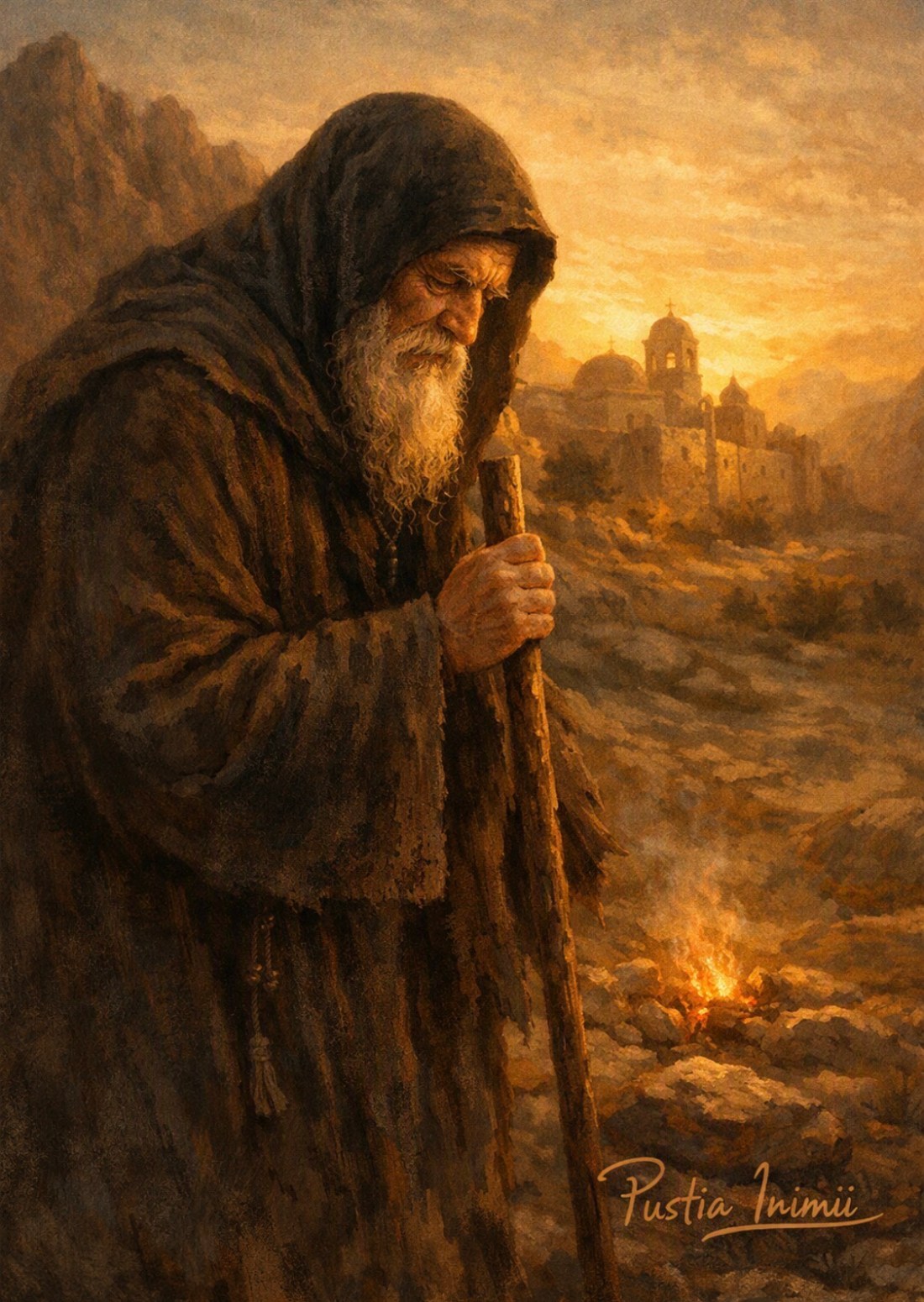
Despre amăgirea grupurilor de tip sectar deghizate în „dezvoltare personală” — robie îmbrăcată în haină de eliberare

Ai simțit bine, frate/soră întru Hristos, duhul acestei rătăciri, căci Duhul lui Dumnezeu dă dreaptă socoteală chiar și celui neînvățat în cărți, dacă inima lui rămâne trează. Ceea ce lumea de azi numește „dezvoltare personală intensivă” — programe de câteva zile, „traininguri de transformare”, „intensive de conștiință” — nu este altceva decât vechea robie a sufletului supus unui stăpân, îmbrăcată acum în haina respectabilă a libertății și a împlinirii de sine. Numele s-a schimbat, dar lucrarea dinăuntru a rămas aceeași.

Cum lucrează de fapt această amăgire

Să nu ne oprim la o simplă osândire, ci să arătăm limpede chipul acestei rătăciri, ca cel neștiutor s-o recunoască atunci când o va întâlni.

Astfel de programe — cunoscute istoricește prin exemple precum cele destrămate în instanțele lumii pentru vătămarea celor înșelați — încep totdeauna printr-o promisiune măgulitoare: „ești blocat de o rană din trecut, iar noi te vom elibera în câteva zile de ceea ce ani de terapie n-au putut face”. Omul, obosit de suferință, e adus într-o sală închisă, cu program epuizant, fără somn îndestulător, fără hrană la vreme potrivită — trupul e slăbit dinadins, căci mintea obosită se apleacă mai lesne. I se cere să-și mărturisească, în fața unor străini, rănile cele mai adânci, rușinile cele mai ascunse — nu spre vindecare, ci spre a fi legat: cel ce și-a arătat goliciunea în fața mulțimii devine mai ușor de stăpânit prin frica de a fi de râs sau prin recunoștința falsă față de cei ce „l-au primit așa cum e”.

Urmează presiunea grupului: cel ce se îndoiește sau vrea să plece e făcut de rușine în fața tuturor, numit „rezistent”, „nepregătit să crească”, „prizonier al vechilor tale povești” — iar mulțimea din jur, deja robită, îl împinge înapoi în cerc, căci fiecare nou-venit robit întărește robia celor dinainte. Se cere apoi ruperea legăturilor din afară — familie, prieteni, duhovnic — numite „relații toxice” sau „voci ale vechii tale identități”, pentru ca singura voce rămasă să fie a liderului și a grupului. Iar la sfârșit, cel „transformat” e chemat să aducă alți oameni, să plătească pentru trepte tot mai înalte de „inițiere”, căci lanțul acesta nu se hrănește decât din carne nouă.

Aceasta este chiar structura vechii robii duhovnicești — izolare, epuizare, mărturisire fără taină, dependență de un stăpân — doar mutată din chilia falsului stareț în sala de conferințe.

Întâia amăgire: mărturisirea fără taină și fără preot

Sfânta Scriptură ne învață că mărturisirea păcatelor are loc înaintea lui Dumnezeu, prin mijlocirea preotului hirotonit spre aceasta, sub pecetea tainei: „Mărturisiți-vă deci unul altuia păcatele… ca să vă vindecați” (Iacov 5:16) — dar această mărturisire se face în duh de smerenie și de iubire, nu în piață, spre umilire. Cel ce te silește să-ți strigi rănile în fața străinilor, fără taină, fără iertare sacramentală, nu te vindecă, ci te dezbracă, spre a te lega mai ușor.

Sfântul Ioan Casian scrie despre pericolul mărturisirii nepotrivite: nu orice ureche e vrednică să primească taina inimii omului, căci cel nepregătit poate răni mai adânc decât rana dintâi. Cu atât mai puțin o sală plină de necunoscuți, aflați ei înșiși sub aceeași presiune.

A doua amăgire: robia sub chipul libertății

Apostolul Pavel ne avertizează: „Voi la libertate ați fost chemați… dar nu faceți din libertate prilej de a sluji trupului, ci slujiți-vă unul altuia prin iubire” (Galateni 5:13). Cel ce se supune unui program care-i cere să rupă legătura cu cei ce l-au iubit dintotdeauna — părinți, soț sau soție, prieteni, Biserică — spre a rămâne doar cu „noua familie” a grupului, acela nu e liber, ci și-a schimbat un lanț cu altul, mai ascuns și mai greu de recunoscut, căci poartă numele libertății.

Domnul nostru Iisus Hristos n-a rupt niciodată pe nimeni de mamă și frați spre a-i sluji Lui doar din frică sau din presiune — ci a chemat: „Vino și vezi” (Ioan 1:46), lăsând libertatea deplină a inimii. Cine cere ascultare oarbă și izolare de cei apropiați, sub amenințarea rușinii, nu lucrează după chipul lui Hristos, ci după chipul stăpânirilor acestui veac.

A treia amăgire: liderul în locul lui Hristos

Cel mai viclean lucru al acestei rătăciri este că, treptat, liderul programului ajunge să ocupe locul care se cuvine doar lui Dumnezeu: cel căruia i te destăinuiești, de a cărui aprobare depinde valoarea ta, cel ale cărui cuvinte devin lege pentru viața ta. Sfântul Ioan Scărarul ne învață că ascultarea adevărată se dă unui povățuitor duhovnicesc încercat, sub binecuvântarea Bisericii, spre tăierea voii proprii celei pătimașe — nu unui străin plătit, care-ți cere ascultare deplină după doar câteva zile de cunoștință, și care nu răspunde înaintea nimănui pentru sufletul tău.

Ce ne rămâne

Celui ispitit de o asemenea chemare nu-i trebuie multă vorbă, ci un pas simplu: să nu se rupă niciodată de duhovnic, de familie și de Biserică sub pretextul „creșterii personale”; să cerceteze dacă cel ce-l povățuiește e gata să răspundă întrebărilor și îndoielilor, sau le pedepsește cu rușine; să-și amintească faptul că adevărata vindecare a sufletului nu se dobândește în câteva zile de presiune, ci printr-o viață întreagă de pocăință, rugăciune și iubire smerită.

„Că nu ne-a dat Dumnezeu duhul temerii, ci al puterii și al iubirii și al înțelepciunii” (2 Timotei 1:7) — iar unde domnește frica de a pleca, rușinea de a te îndoi și robia sub numele libertății, acolo nu e Duhul lui Dumnezeu, ci un duh străin, care caută să stăpânească, nu să elibereze.

On the deception called “energy therapy” witchcraft dressed in a mantle of science

You have sensed rightly, brother/sister in Christ, the spirit of this error, for the Spirit of God grants discernment even to the one untrained in books, if his heart remains watchful. What the world today calls “energy therapy” — Reiki, “quantum healing,” “energy recalibration,” crystal therapy — is nothing other than the old witchcraft of manipulating unseen powers, now dressed in the respectable garment of science and wellness. The name has changed, but the work within remains the same.

How this deception actually operates

Let us not stop at bare condemnation, but show clearly the face of this error, so that the unknowing may recognize it when they meet it.

The “energy healer” calls himself “certified” or “attuned” — a certification given not by any spiritual authority, but by other practitioners of the same teaching, in a closed circle that feeds on itself. The session is paid for, like any commercial service, and follows a pattern nearly identical to the sorcery of old, only the tools have changed: instead of incantation, “channeling” a nameless, faceless energy — “universal energy,” “quantum energy,” “the vibration of the universe” — words found nowhere in Scripture and serving no commandment of God, but rather the desires of the paying client: health without repentance, peace without the cross, harmony without struggle against the passions.

To this is added an entire pseudo-scientific apparatus meant to inspire confidence: the word “quantum,” borrowed from physics and emptied entirely of its true meaning, lending an appearance of rigor to a practice that has nothing to do with science; “energy fields” claimed to be measurable yet proven by no instrument; stones and crystals to which are attributed powers of “balancing” the soul, as though grace could be stored in a rock, the way idols of old bore imagined powers. All of these are old techniques of witchcraft, merely reclothed in therapeutic language, so as to appear self-care rather than the summoning of spirits.

And the doctrine behind the practice is as foreign to Truth as its methods: that man has no sin, only “energy blockages”; that the body is a circuit board to be “repaired” without repentance and without confession; that any soul, regardless of faith or manner of life, can receive “healing” merely by paying for a session and by the laying on of hands. This is precisely the structure of the old witchcraft — payment, ritual, a power summoned on command — only moved out of the sorcerer’s hut and into the “wellness” studio.

The first deception: power sought without the Church’s sending

The Holy Fathers teach us that not every power that is felt or that manifests comes from God. Saint Anthony the Great, often tempted by spirits who appeared to him in luminous form and brought feelings of peace and comfort, left his followers the most useful law of the spiritual life: never trust the good feeling, never trust the peace that comes without struggle, but always ask: “Who are you, and whence do you come?” And if that power is troubled by the sign of the Cross or the invocation of the Name of Jesus, then the wolf is unmasked beneath the sheep’s clothing.

The Acts of the Apostles shows us this deception in plain sight: Simon of Samaria, who practiced sorcery and amazed the people with powers he called “the great power of God” (Acts 8:9-10), later wanted to buy the gift of the Holy Spirit with silver, believing that grace could be acquired like merchandise, through payment and technique. Saint Peter answered him sharply: may your silver perish with you, for you thought the gift of God could be obtained with money (Acts 8:20). This is precisely the root of “energy therapy”: the belief that a spiritual power can be bought, learned, certified, and transmitted through technique, without purification of the soul, without repentance, without being sent by God.

The second deception: trust placed in a power, not in its Giver

The Apostle Paul calls us to vigilance: our struggle is not against flesh and blood, but against the rulers of the darkness of this age, against the spirits of wickedness (Ephesians 6:12). Whoever allows himself to be “worked on” by a nameless energy, without knowing who or what is acting upon his body and soul, willingly places himself under a dominion he cannot judge. True healing does not come from an anonymous, universal force, available to anyone without worthiness — it comes from God, through grace, through prayer, through the Sacraments, and it asks of man humility, not mere openness.

The third deception: comfort without repentance

The most cunning aspect of this modern error is that it offers comfort without the cross, healing without tears, balance without struggle against the passions — “you are fine as you are, your energy is simply blocked,” it says, without any call to repentance. But true comfort always comes after the tears of repentance, never in its place. Saint John Climacus writes that demons often slip in under the guise of “comfort” precisely to lull the fear of God and the soul’s watchfulness to sleep.

What remains for us

For the one tempted by such a calling, there is no need for argument, but a simple step: to tell one’s spiritual father what was heard or felt, to open the Psalter and read a Psalm of repentance, to say the Jesus Prayer — “Lord Jesus Christ, Son of God, have mercy on me, a sinner” — and to remember that healing of soul and body is not bought with sessions and certificates, but is sought with a broken heart from the one Physician of souls and bodies.

“But even if we, or an angel from heaven, should preach to you a gospel contrary to the one we preached to you, let him be accursed!” (Galatians 1:9) — not as a curse cast upon the one who has wandered, but as a watch set over the Truth, lest we lose it because of a beautiful name borne by a foreign work.

Despre amăgirea numită „terapie energetică” vrăjitorie îmbrăcată în haină de știință

Ai simțit bine, frate/soră întru Hristos, duhul acestei rătăciri, căci Duhul lui Dumnezeu dă dreaptă socoteală chiar și celui neînvățat în cărți, dacă inima lui rămâne trează. Ceea ce lumea de azi numește „terapie energetică” — Reiki, „vindecare cuantică”, „recalibrare energetică”, terapie cu cristale — nu este altceva decât vechea vrăjitorie a manipulării puterilor nevăzute, îmbrăcată acum în haina respectabilă a științei și a bunăstării personale. Numele s-a schimbat, dar lucrarea dinăuntru a rămas aceeași.

Cum lucrează de fapt această amăgire

Să nu ne oprim la o simplă osândire, ci să arătăm limpede chipul acestei rătăciri, ca cel neștiutor s-o recunoască atunci când o va întâlni.

„Terapeutul energetic” se numește pe sine „atestat” sau „inițiat” — o atestare dată nu de vreo autoritate duhovnicească, ci de alți practicanți ai aceleiași învățături, într-un cerc închis care se hrănește singur pe sine. Ședința se plătește, ca orice serviciu comercial, și urmează un tipar aproape identic cu ghicitul de altădată, doar uneltele s-au schimbat: în locul descântecului, „canalizarea” unei energii fără chip și fără nume — „energie universală”, „energie cuantică”, „vibrația universului” — cuvinte care nu se află nicăieri în Scriptură și nu slujesc nicio poruncă a lui Dumnezeu, ci doar dorința celui care plătește: sănătate fără pocăință, liniște fără cruce, armonie fără luptă cu patimile.

La aceasta se adaugă un întreg aparat pseudo-științific menit să inspire încredere: cuvântul „cuantic” împrumutat din fizică și golit cu totul de înțelesul lui adevărat, pentru a da o aparență de rigoare unei practici care n-are nimic de-a face cu știința; „câmpuri energetice” pretins măsurabile, dar nedovedite de niciun instrument; pietre și cristale cărora li se atribuie puteri de „echilibrare” a sufletului, ca și cum harul s-ar putea depozita într-o piatră, precum odinioară idolii păgânilor purtau puteri închipuite. Toate acestea sunt tehnici vechi de vrăjitorie, doar reîmbrăcate în limbaj terapeutic, pentru a părea îngrijire de sine, nu lucrare cu duhuri.

Iar învățătura din spatele practicii este tot atât de străină de Adevăr ca și metodele ei: că omul n-are păcat, ci doar „blocaje energetice”; că trupul e un sistem de circuite ce poate fi „reparat” fără pocăință și fără spovedanie; că orice suflet, indiferent de credință sau de viață, poate primi „vindecare” doar prin plata unei ședințe și prin așezarea mâinilor. Aceasta este chiar structura vechii vrăjitorii — plată, ritual, o putere chemată la comandă — mutată doar din bordeiul vrăjitoarei în cabinetul de „wellness”.

Întâia amăgire: puterea cerută fără trimiterea Bisericii

Sfinții Părinți ne învață că nu orice putere care se simte sau se arată vine de la Dumnezeu. Sfântul Antonie cel Mare, ispitit adesea de duhuri care i se arătau în chip de lumină și-i aduceau simțăminte de pace și alinare, a lăsat urmașilor săi cea mai de folos lege a vieții duhovnicești: să nu se încreadă în simțirea de bine, să nu se încreadă în liniștea ce vine fără luptă, ci să întrebe totdeauna: „Cine ești și de unde vii?” Și dacă acea putere se tulbură la semnul Crucii sau la chemarea Numelui lui Iisus, atunci lupul e dat pe față sub piele de oaie.

Iar Faptele Apostolilor ne arată chipul limpede al acestei amăgiri: Simon din Samaria, care „vrăjea” și uimea norodul cu puteri pe care le socotea „puterea lui Dumnezeu cea mare” (Fapte 8:9-10), a vrut apoi să cumpere cu argint darul Duhului Sfânt, crezând că harul se poate dobândi ca o marfă, prin plată și tehnică. Sfântul Apostol Petru i-a răspuns aspru: argintul tău să fie cu tine spre pieire, căci ai socotit că darul lui Dumnezeu se dobândește cu bani (Fapte 8:20). Aceasta este chiar rădăcina „terapiei energetice”: credința că o putere duhovnicească se poate cumpăra, învăța, atesta și transmite prin tehnică, fără curățirea sufletului, fără pocăință, fără trimitere de la Dumnezeu.

A doua amăgire: încrederea pusă în putere, nu în Dăruitorul ei

Apostolul Pavel ne cheamă la luare-aminte: lupta noastră nu e împotriva trupului și a sângelui, ci împotriva stăpânitorilor întunericului acestui veac, împotriva duhurilor răutății (Efeseni 6:12). Cel ce se lasă „lucrat” de o energie nenumită, fără să știe cine sau ce lucrează în trupul și în sufletul lui, se așază de bunăvoie sub o stăpânire pe care n-o poate judeca. Vindecarea adevărată nu vine dintr-o forță anonimă, universală, disponibilă oricui fără vrednicie — vine de la Dumnezeu, prin har, prin rugăciune, prin Taine, și cere din partea omului smerenie, nu doar deschidere.

A treia amăgire: mângâiere fără pocăință

Cel mai viclean lucru al acestei rătăciri de astăzi este că oferă alinare fără cruce, vindecare fără lacrimi, echilibru fără luptă cu patimile — „ești bine așa cum ești, doar energia ta e blocată”, spune ea, fără nicio chemare la pocăință. Dar adevărata mângâiere vine totdeauna după lacrimile pocăinței, niciodată în locul ei. Sfântul Ioan Scărarul scrie că dracii se strecoară adesea sub chipul „mângâierii” tocmai pentru a adormi frica de Dumnezeu și trezvia sufletului.

Ce ne rămâne

Celui ispitit de o asemenea chemare nu-i trebuie multă vorbă, ci un pas simplu: să spună duhovnicului ce a auzit sau a simțit, să deschidă Psaltirea și să citească un psalm de pocăință, să rostească rugăciunea lui Iisus — „Doamne Iisuse Hristoase, Fiul lui Dumnezeu, miluiește-mă pe mine, păcătosul” — și să-și aducă aminte că vindecarea sufletului și a trupului nu se cumpără cu ședințe și certificate, ci se cere cu inimă zdrobită de la singurul Doctor al sufletelor și al trupurilor.

„Dar chiar dacă noi, sau un înger din cer, v-ar vesti altă Evanghelie decât aceea pe care v-am vestit-o — să fie anatema!” (Galateni 1:9) — nu ca blestem aruncat asupra celui rătăcit, ci ca strajă pusă asupra Adevărului, ca nu cumva să-l pierdem din pricina unui nume frumos purtat de o lucrare străină.

Erasing a trend

If you could erase one trend from history, what would it be?

The most harmful trend in history is the habit of polishing falsehood until it shines.

When a man is wounded, he hides behind elegant words.

When he strays, he blames the times.

When he fears the truth, he calls his fear “freedom.”

If I could erase one trend, I would erase the human tendency to decorate lies until they look harmless.

Because nothing weakens the soul more than the refusal to stand face‑to‑face with itself.

Truth needs no fashion.

Only a heart unafraid of light.

Ro

A șterge un trend

Cea mai primejdioasă modă din istorie este obiceiul omului de a lustrui minciuna până pare virtute.

Când inima îi sângerează, se ascunde în vorbe frumoase.

Când se rătăcește, dă vina pe vremuri.

Când fuge de adevăr, numește fuga „libertate”.

Dacă aș putea șterge un trend, aș șterge tendința omului de a împodobi minciuna până devine acceptabilă.

Pentru că nimic nu slăbește sufletul mai mult decât obiceiul de a se ascunde de sine.

Adevărul nu are nevoie de modă.

Are nevoie doar de o inimă care nu se teme de lumină.

Prezența care nu cere cuvinte / The Presence That Needs No Words

RO

Am ajuns la acest gând într-o clipă în care mintea nu mai putea ține pasul cu evidența care se arăta.

Nu era o idee nouă, ci o atingere veche, venită din locul unde adevărul nu se construiește, ci se descoperă.

Acolo, cuvântul nu mai explică ci se pleacă.

Sunt clipe în care nu mai cauți sensul, ci sensul te atinge.

Nu vine prin argument, nici prin demonstrație, ci printr-o lumină care nu se justifică, ci se impune.

Atunci, gândirea se oprește nu pentru că ar fi învinsă, ci pentru că a întâlnit ceva mai vechi decât ea.

O origine care nu cere să fie explicată, ci primită.

Iar ceea ce se primește nu este concept, ci prezență.

O prezență care nu se lasă analizată, ci doar ascultată.

În fața ei, cuvântul nu mai construiește, ci se pleacă.

Pentru că unele adevăruri nu se gândesc — se recunosc.

EN

I reached this thought in a moment when the mind could no longer keep pace with the evidence that revealed itself.

It wasn’t a new idea, but an ancient touch coming from the place where truth is not built, but unveiled.

There, the word no longer explains — it bows.

There are moments when you no longer seek meaning, but meaning reaches you.

It doesn’t come through argument or demonstration, but through a light that offers no justification, only presence.

Then the mind stops, not because it is defeated, but because it meets something older than itself.

An origin that does not ask to be explained, but received.

And what is received is not a concept, but a presence.

A presence that cannot be analyzed, only listened to.

Before it, the word no longer constructs — it bows.

Because some truths are not thought — they are recognized.

On the deception called “angel therapy” witchcraft dressed in a mantle of light

You have sensed rightly, brother/sister in Christ, the spirit of this error, for the Spirit of God grants discernment even to the one untrained in books, if his heart remains watchful. What the world today calls “angel therapy” is nothing other than the old witchcraft of summoning spirits, now dressed in the respectable garment of psychology and self-healing. The name has changed, but the work within remains the same.

How this deception actually operates

Let us not stop at bare condemnation, but show clearly the face of this error, so that the unknowing may recognize it when they meet it.

The “angel therapist” calls himself a “certified” practitioner — a certification given not by any spiritual authority, but by other practitioners of the same teaching, in a closed circle that feeds on itself. The session is paid for, like any commercial service, and follows a pattern nearly identical to fortune-telling of old, only with the tools changed: instead of tarot cards, “angel cards” (illustrated oracle decks, drawn at random and “interpreted” as personal messages); instead of incantation, “channeling” a message supposedly received from a being named by the practitioner — “Archangel so-and-so,” “the angel of healing,” “the angel of abundance” — names found nowhere in Scripture and serving no commandment of God, but rather the desires of the paying client: money, love, success, peace without the cross.

To this is added an entire pseudo-scientific apparatus meant to inspire confidence: “angel numbers” (repeated digits like 11:11 or 444, interpreted as signs), “energy clearing,” “chakra alignment” combined with angel names, “channeled messages” written automatically, as if the hand were guided by a foreign power. All of these are old techniques of divination and spiritism, merely reclothed in therapeutic language so as to appear self-care rather than the summoning of spirits.

And the doctrine behind the practice is as foreign to Truth as its methods: it teaches that man has no sin, only “energy blockages”; that angels are servants at anyone’s disposal, without being sent by God and without any worthiness required of the one who calls; that any soul, regardless of faith or manner of life, can “receive messages” merely by reciting a formula or purchasing a session. This is precisely the structure of the old witchcraft — payment, formula, a being summoned on command — only moved out of the village and into the “wellness” studio.

The first deception: summoning the unseen without the Church’s sending

The Holy Fathers teach us that not every spirit who appears or speaks is sent by God. Saint Anthony the Great, often tempted by spirits who appeared to him in luminous form and spoke words of comfort, left his followers the most useful law of the spiritual life: do not trust the appearance, do not trust the beautiful word, do not trust the feeling of false peace — but always ask: “Who are you, and whence do you come?” And if the spirit is troubled by the sign of the Cross or the invocation of the Name of Jesus, then the wolf is unmasked beneath the sheep’s clothing.

The Paterikon preserves the tale of a monk to whom, by night, a being of light appeared, claiming to be his guardian angel, demanding worship and full trust. The monk, unknowing, was ready to receive this as a gift. But his spiritual father, hearing the account, gave him a simple rule: “If it appears again, do not bow down, but ask it: are you of Christ? And make the sign of the Cross over it.” The monk did so, and the apparition vanished like smoke, proving itself deception.

“Angel therapy” knows nothing of this discernment. It invites man to summon, to “connect,” to “receive messages” from unnamed beings, subject to no spiritual judgment, without a priest, without a prayer of absolution, without fasting, without humility. It is the very image of the necromancy forbidden in the Law: “There shall not be found among you anyone who consults the dead or calls upon spirits” (Deuteronomy 18:10-11).

The second deception: worship of angels in place of Christ

The Apostle Paul clearly condemned those who “delight in false humility and worship of angels” (Colossians 2:18). True angels of God flee from worship — we know this from Revelation, where the angel stops John, saying: “See that you do not do that! […] Worship God!” (Revelation 19:10). And whoever gladly accepts being summoned as a service at man’s disposal is not an angel of God.

The third deception: comfort without repentance

The most cunning aspect of this modern error is that it offers comfort without the cross, healing without tears, peace without struggle against the passions — “you are fine just as you are,” it says, without any call to repentance. But true comfort always comes after the tears of repentance, never in its place. Saint John Climacus writes that demons often slip in under the guise of “comfort” precisely to lull the fear of God and the soul’s watchfulness to sleep.

What remains for us

For the one tempted by such a calling, there is no need for argument, but a simple step: to tell one’s spiritual father what was heard or felt, to open the Psalter and read a Psalm of repentance, to say the Jesus Prayer — “Lord Jesus Christ, Son of God, have mercy on me, a sinner” — and to remember that one’s Guardian Angel needs no summoning through money and appointment — he watches unceasingly, without payment, from baptism onward.

“But if anyone preaches to you a gospel contrary to the one you received, let him be accursed!” (Galatians 1:9) — not as a curse cast upon the one who has wandered, but as a watch set over the Truth, lest we lose it because of a beautiful name borne by a foreign work.

Despre înșelăciunea numită „terapie cu îngeri” o vrăjitorie îmbrăcată în hlamidă de lumină

Ai simțit bine, frate/soră întru Hristos, duhul acestei rătăciri, căci Duhul lui Dumnezeu dă discernământ chiar și celui neîncercat în cărți, dacă inima lui rămâne trează. Ceea ce lumea numește astăzi „terapie cu îngeri” nu este altceva decât vechea vrăjitorie a chemării duhurilor, îmbrăcată acum în veșmântul respectabil al psihologiei și al vindecării de sine. Numele s-a schimbat, dar lucrarea dinăuntru este aceeași.

Cum lucrează, de fapt, această înșelăciune

Să nu rămânem la osândă goală, ci să arătăm limpede chipul acestei rătăciri, ca cel neștiutor s-o recunoască atunci când o va întâlni.

„Terapeutul de îngeri” se numește pe sine practician „certificat” — o certificare dată nu de vreo autoritate duhovnicească, ci de alți practicieni ai aceleiași învățături, într-un cerc închis care se hrănește pe sine. Ședința se plătește, ca orice serviciu comercial, și se desfășoară după o rânduială aproape identică cu ghicitul de altădată, doar cu unelte schimbate: în loc de cărți de tarot, „cărți cu îngeri” (oracole ilustrate, extrase la întâmplare și „interpretate” ca mesaj personal); în loc de descântec, „canalizarea” unui mesaj primit chipurile de la o ființă numită cu nume ales de practician — „Arhanghelul cutare”, „îngerul vindecării”, „îngerul abundenței” — nume care nu se găsesc în Scriptură și nu slujesc nicio poruncă a lui Dumnezeu, ci dorințele celui ce plătește: bani, iubire, succes, liniște fără cruce.

La aceasta se adaugă un întreg aparat pseudo-științific menit să dea încredere: „numere îngerești” (repetiții de cifre precum 11:11 sau 444, tălmăcite ca semne), „curățare energetică”, „aliniere de cakre” unite cu numele îngerilor, „mesaje canalizate” scrise automat, ca și cum mâna omului ar fi condusă de o putere străină. Toate acestea sunt tehnici vechi ale ghicitului și ale spiritismului, doar reîmbrăcate în limbaj terapeutic, ca să pară îngrijire de sine și nu invocare de duhuri.

Iar doctrina din spatele practicii e la fel de străină de Adevăr ca și mijloacele ei: se învață că omul nu are păcat, ci doar „blocaje energetice”; că îngerii sunt slujitori la dispoziția oricui îi cheamă, fără trimitere de la Dumnezeu și fără vrednicie cerută de la cel ce cheamă; că orice suflet, indiferent de credință sau de viață, poate „primi mesaje” doar rostind o formulă sau cumpărând o ședință. Este exact structura vrăjitoriei vechi — plată, formulă, ființă chemată la comandă — dar scoasă din biserica satului și mutată în cabinetul de „wellness”.

Întâia înșelăciune: chemarea celor nevăzuți fără trimitere de la Biserică

Sfinții Părinți ne învață că nu orice duh care se arată sau vorbește este trimis de Dumnezeu. Sfântul Antonie cel Mare, ispitit de multe ori de duhuri care i se arătau în chip luminos și grăiau cuvinte de mângâiere, a lăsat urmașilor săi legea cea mai de folos a vieții duhovnicești: nu te lua după arătare, nu te lua după cuvânt frumos, nu te lua după simțământul de pace mincinoasă — ci întreabă întotdeauna: „Cine ești și de unde vii?” Iar dacă duhul se tulbură la semnul Crucii sau la chemarea Numelui lui Iisus, atunci se descoperă lupul sub piele de oaie.

Patericul păstrează pilda unui monah căruia i se arăta noaptea o făptură de lumină, spunându-i că este îngerul său păzitor, cerându-i închinare și încredințare deplină. Monahul, neștiutor, era gata să primească cinstea aceasta ca pe un dar. Dar duhovnicul său, auzind povestea, i-a dat un canon simplu: „De se va mai arăta, nu te închina, ci întreabă-l: ești tu al lui Hristos? Și fă semnul crucii peste el.” Așa a făcut monahul, iar arătarea a pierit ca fumul, dovedindu-se înșelăciune.

„Terapia cu îngeri” nu cunoaște acest discernământ. Ea invită pe om să cheme, să „se conecteze”, să „primească mesaje” de la ființe nenumite, nesupuse nici unei judecăți duhovnicești, fără preot, fără rugăciune de dezlegare, fără post, fără smerenie. Este chiar chipul necromanției oprite în Lege: „Să nu se afle la tine cel ce întreabă morții, nici cel ce cheamă duhurile” (Deuteronom 18:10-11).

A doua înșelăciune: închinarea către îngeri în locul lui Hristos

Apostolul Pavel a osândit limpede pe cei ce „se fac plăcuți loruși prin smerenie și prin închinarea la îngeri” (Coloseni 2:18). Îngerii adevărați ai lui Dumnezeu fug de închinare — știm aceasta din Apocalipsă, unde îngerul îl oprește pe Ioan zicând: „Vezi să nu faci aceasta! […] Lui Dumnezeu închină-te!” (Apocalipsa 19:10). Iar cel care primește cu bucurie a fi chemat ca un serviciu la dispoziția omului, acela nu este înger al lui Dumnezeu.

A treia înșelăciune: mângâierea fără pocăință

Cel mai viclean lucru al acestei rătăciri moderne este că oferă mângâiere fără cruce, vindecare fără lacrimă, pace fără luptă cu patimile — „ești bine așa cum ești”, spune ea, fără chemare la pocăință. Dar mângâierea adevărată vine totdeauna după lacrima pocăinței, nu în locul ei. Sfântul Ioan Scărarul scrie că demonii se preling adesea sub chipul unei „mângâieri” tocmai ca să adoarmă frica de Dumnezeu și trezvia sufletului.

Ce ne rămâne

Celui ispitit de o asemenea chemare, nu-i trebuie ceartă, ci un pas simplu: să spună duhovnicului ce a auzit sau a simțit, să deschidă Psaltirea și să citească un Psalm de pocăință, să rostească rugăciunea lui Iisus — „Doamne Iisuse Hristoase, Fiul lui Dumnezeu, miluiește-mă pe mine, păcătosul” — și să-și amintească că Îngerul lui păzitor nu are nevoie să fie chemat cu bani și ședință — el veghează neîncetat, fără plată, de la botez.

„Iar de vă va vesti vouă cineva altă Evanghelie decât aceea pe care aţi primit-o, să fie anatema!” (Galateni 1:9) — nu ca blestem aruncat asupra celui rătăcit, ci ca strajă pusă asupra Adevărului, ca să nu-l pierdem din pricina unui nume frumos purtat de o lucrare străină.